
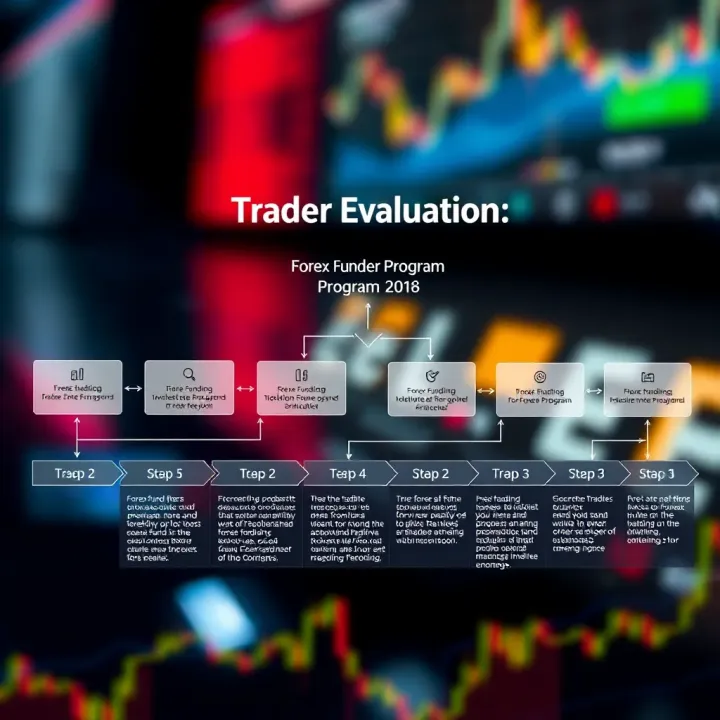
Understanding Forex Funders: A Guide for South African Traders
💹 New to forex trading? Learn what a forex funder is, how to qualify as a funded trader, avoid risks, and grow your skills in South Africa's market.
Edited By
Thomas Reed
Knowing the right time to trade forex can make a real difference to your results. The forex market never sleeps, running 24 hours across different global sessions. But not all hours carry the same opportunity or risk.
In South Africa, traders need to understand how international market hours overlap with local time (SAST) to pick the best trading windows. This affects the liquidity and volatility of currency pairs, crucial factors for success.
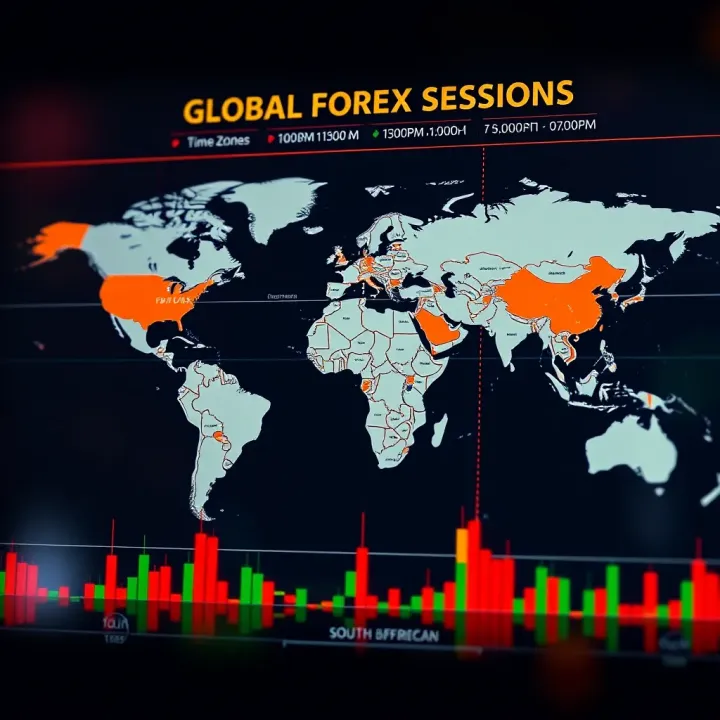
Forex activity surges during key market sessions: the Asian session (opening in Tokyo), the European session (centred around London), and the North American session (New York). Each brings its own flavour of market movement tied to economic events and trader behaviour.
Liquidity tends to peak when sessions overlap, for instance, when London and New York markets run simultaneously. This creates tighter spreads and more predictable price action, ideal for many trading strategies.
Timing also means watching economic calendars. Announcements from the South African Reserve Bank (SARB), the US Federal Reserve, or the European Central Bank, plus labour data and inflation numbers, can send wild swings through the forex arena. These events open both risks and chances; knowing their schedule helps you avoid getting caught off guard.
Below are a few practical tips for traders:
Match your trading hours to your preferred currency pairs. For example, if you favour USD/ZAR, consider the New York and Johannesburg overlap.
Track major economic releases on platforms like MyBroadband or financial news sites to plan ahead.
Use off-peak hours for analysis and strategy tweaks when markets are quieter.
Overall, successful forex trading isn't just about picking currencies; it's about choosing the right moments to engage the market. Understanding these patterns empowers South African traders and investors to maximise returns while managing risk effectively.
Grasping forex market hours and sessions is key for traders aiming to time their trades effectively. Knowing when different markets open and close helps you anticipate changes in liquidity and volatility, which ultimately affects trade execution and potential profits. For South African traders especially, aligning trading activity with appropriate sessions means you can avoid unnecessary risks and capitalise on the best windows for your chosen currency pairs.
The forex market operates across several major time zones, spanning Asia, Europe, and North America. Because these time zones overlap at certain points, global forex trading happens 24 hours a day during weekdays, giving traders plenty of opportunities to trade — depending on their time and strategy. For instance, when the Asian session winds down, the European session kicks in, creating an active overlap period.
Forex runs continuously from Sunday evening (SAST) through to Friday evening, thanks to the staggered opening and closing of financial centres worldwide. This continuous operation means South African traders can engage with markets at almost any time, although liquidity and price movement strength vary significantly depending on the market session. Knowing why the market never sleeps on weekdays is practical: it’s due to global financial centres handing over trading baton seamlessly, maintaining market activity round the clock.
The Asian session typically starts around 10 pm and runs till 7 am SAST. It centres on financial hubs like Tokyo, Singapore, and Hong Kong. Liquidity here is lower compared to later sessions, but the Asian session often sets the tone for the day with steady but less volatile price action. Currencies like the Japanese yen (JPY) and Australian dollar (AUD) see more movement during these hours, making it a good time for those trading pairs involving these currencies.
Opening at around 8 am SAST, the European session represents the busiest trading hours, with London and Frankfurt leading activity. This session brings the highest liquidity and volatility as both Asian and European traders interact. Given London’s status as a forex hub, currency pairs such as EUR/USD and GBP/USD trade actively. Price swings can be sharper here, which offers both opportunities and risks for South African traders looking to catch momentum.
The North American session runs roughly from 2 pm to 11 pm SAST, featuring the New York and Toronto markets. This session overlaps partially with the European one, creating some of the most active trading periods. The US dollar (USD), Canadian dollar (CAD), and Mexican peso (MXN) tend to dominate action now. For traders in South Africa, the North American session presents chances to capitalise on late-day volatility, especially following key US economic announcements.
Understanding each session's traits and timing helps traders optimise strategies and manage risk by choosing windows that best suit their preferred currency pairs and trading style.
Asian session: quieter, good for yen- and aussie-related pairs
European session: highly liquid and volatile, suited to major pairs
North American session: active late-day trades, USD-centric moves
This knowledge forms the backbone for deciding the best time to trade forex, tailored to your approach and timezone.
Understanding how market sessions influence trading conditions is essential for anyone aiming to spot the best times to trade forex. Each session carries unique characteristics in terms of liquidity and volatility, which can affect your ability to enter and exit trades efficiently and at favourable prices.
Liquidity usually peaks when major financial centres are open and active at the same time. For example, during the overlap of the European and North American sessions, a large volume of trades floods the market. This means tighter bid-ask spreads and quicker execution for traders. Liquidity drops noticeably during the Asian session’s quieter early hours, which may lead to wider spreads and slower order fills.
Volatility tends to rise and fall in rhythm with market hours and economic schedules. The European session often brings increased price swings thanks to news releases centered in London and Frankfurt. Conversely, volatility typically calms down during late Asian hours before picking up again once Europe wakes. For South African traders operating in SAST, understanding these trends helps plan trades around moments when price movements create genuine opportunities instead of false signals due to choppy markets.
The European and North American session overlap is where the market fires up. London and New York are global financial hubs, and when both markets are active, currency pairs, especially those involving the euro, pound, and US dollar, show strong movement and improved liquidity. This window generally occurs between 3 pm and 8 pm SAST, making it an opportune time for South African traders to engage actively. Higher volume during this period reduces slippage risks, which is crucial when placing large trades or using tight stop losses.
On the other hand, the Asian and European session overlap tends to be more subdued but still vital for trading pairs like USD/JPY or EUR/JPY. Liquidity increases slightly here, but volatility is muted compared to the European-North American overlap. This overlap takes place roughly between 9 am and 11 am SAST and suits traders who prefer steadier market conditions that still allow for strategic entries and exits without the intense spikes seen later in the day.
Timing your trades to align with session overlaps can improve your chances of benefiting from better liquidity and manageable volatility.
Both session liquidity peaks and volatility trends directly impact trading costs and risks. Understanding these patterns helps South African traders decide when to be most active based on their risk tolerance and trading strategy.
Timing your trades around specific factors can make a big difference in your success on the forex market. Some elements directly affect liquidity, volatility, and price movements, so understanding them can help you choose when to enter or exit trades more confidently.
Central bank decisions are among the most significant drivers of forex market swings. When the South African Reserve Bank (SARB) or other major banks, like the US Federal Reserve or European Central Bank, announce interest rate changes or monetary policy shifts, currency pairs linked to those economies often react sharply. For example, if SARB raises rates while others hold steady, the rand (ZAR) may strengthen due to expected higher returns. Traders monitoring these events usually prepare for increased volatility and wider spreads, which can either present opportunities or risks.
Economic data releases also influence trading conditions considerably. Reports like South Africa’s GDP figures, unemployment rates, or inflation numbers typically cause price fluctuations around their scheduled release times. For instance, the monthly Consumer Price Index (CPI) releases tend to sway the ZAR and related pairs because they affect expectations around interest rates. Being aware of when these reports drop — often early mornings SAST — lets you avoid sudden spikes or take advantage of clear trends that follow important data announcements.
Currency pairs tend to move most during their home market hours when local news and business activity keep the market busy. The rand, for example, usually shows more action during the Johannesburg-based trading hours aligning roughly with the European session in GMT terms. That means pairs like USD/ZAR and EUR/ZAR can see better liquidity and clearer price moves while the London market is open.
Popular pairs like EUR/USD and GBP/USD see their best trading conditions during the overlap between the European and North American sessions. This time, generally from 3 pm to 7 pm SAST, offers higher volume and liquidity. Conversely, pairs involving Asian currencies such as AUD/USD or USD/JPY tend to be more active during the Asian session, from around 3 am to 12 pm SAST. Matching your trades to when the respective currency’s home market is open usually means tighter spreads and less slippage.
Keeping a close eye on these factors—economic events and session-specific currency behaviour—gives you a clearer picture of when to trade. It’s about aligning your strategy with market rhythms rather than guessing blindly.
For traders based in South Africa, understanding how global forex trading hours align with South African Standard Time (SAST) is key to optimising strategy and leveraging market opportunities. Practical insights tailored to the local time zone help minimise missed chances and reduce risk, especially when balancing trading with everyday commitments.
Converting the main trading sessions—Asian, European, and North American—to SAST enables South African traders to pinpoint the best windows for market activity. For example, the London session runs roughly from 09:00 to 17:00 GMT, which corresponds to 11:00 to 19:00 SAST. This period often offers higher liquidity and volatility, particularly for EUR/ZAR or GBP/ZAR pairs. Likewise, the New York session overlaps with the London session between 15:00 and 19:00 SAST, creating opportunities in USD/ZAR trades.
Choosing sessions that fit daily routines is just as important as timing the markets. Many South African traders find the London session more suitable because it overlaps with their office hours, allowing for active participation without disrupting other responsibilities. On the other hand, the Asian session, which runs overnight in SAST (approximately 01:00 to 09:00), might serve more experienced or part-time traders comfortable with late-night trading. Selecting sessions in line with personal schedules helps maintain discipline and improves focus.
Managing trades during high-volatility periods requires careful attention because rapid price swings can either boost profits or lead to significant losses. The overlap between the European and North American sessions (around 15:00 to 19:00 SAST) is particularly volatile, as major banks and institutions in London and New York are both active. To manage risk here, limit trade size, set tight stop losses, and avoid overtrading.
Avoiding low liquidity risks is just as critical. Early Monday mornings or late Friday afternoons in SAST typically see reduced activity when markets are winding down, which can trigger wider spreads and unpredictable price moves. Trading during these periods might lead to slippage or difficulty exiting positions at desired prices. It’s often wiser to pause trading or focus on higher liquidity sessions to protect your capital.
Timing is everything in forex trading, especially when factoring in where you are in the world. For South African traders, syncing with major markets’ active hours while balancing risk is the recipe for more consistent success.
💹 New to forex trading? Learn what a forex funder is, how to qualify as a funded trader, avoid risks, and grow your skills in South Africa's market.

Explore key strategies and challenges faced by successful Forex traders in South Africa 🇿🇦, plus tips on navigating local regulations and building wealth 💰.
Discover South Africa's richest forex traders 💰, their strategies, business moves, and tips for navigating the local forex market 🌍📈.
Discover how South Africa's richest forex traders built their wealth 💰, their winning strategies 📈, challenges faced, & key lessons for local traders 🇿🇦.
Based on 6 reviews