

Understanding the Dollar Bot and Its Impact
🤖 Explore the Dollar Bot's functions and impact in finance and tech. Learn how it works, challenges faced, and what the future holds for these systems in SA.
Edited By
Grace Mitchell
High volatility means prices in markets or assets shift quickly and sharply over short periods. This isn’t just market jargon — it has real consequences for traders and investors in South Africa. When the JSE swings wildly or the rand weakens rapidly against the dollar, for example, volatility is in play.
Volatility isn’t just about unpredictability; it’s a measure of how much prices bounce around. In volatile times, share prices, bond yields, or exchange rates can jump or drop by several percentage points in just hours or days. This makes it much tougher to predict future movements or to feel confident holding certain investments.
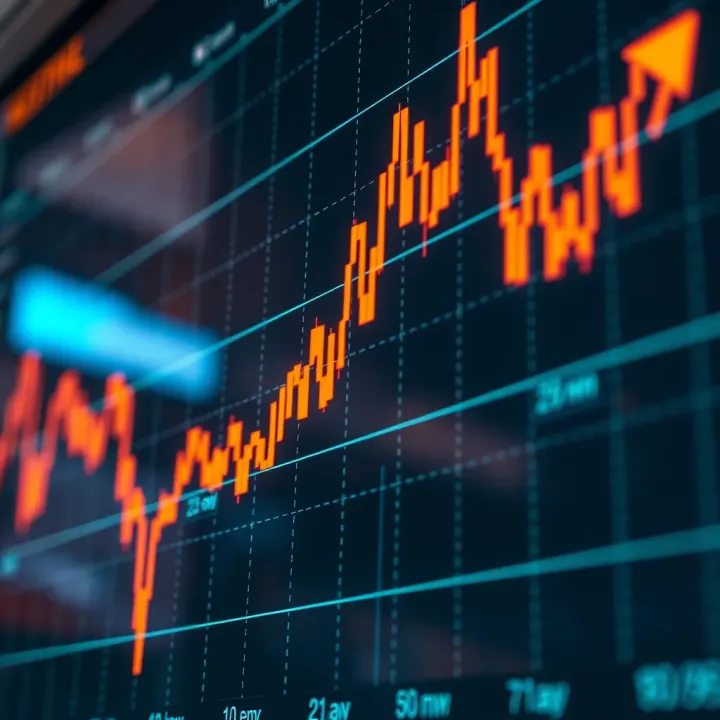
Understanding volatility matters because it directly influences risk levels and decision-making.
For instance, a local investor holding shares in a platinum miner might see gains or losses multiply quickly during periods of global demand shifts or supply disruptions. On the other hand, a business importing machinery faces currency volatility risk if the rand fluctuates widely against foreign currencies.
What causes high volatility? Several factors can spark these sharp price moves:
Sudden economic data releases (like quarterly GDP or inflation numbers)
Political events, such as election outcomes or abrupt policy changes
External shocks, including commodity price swings or global crises
Market sentiment swings from fear or greed among investors
In South Africa, volatility can be heightened by local issues like labour strikes, power cuts due to Eskom loadshedding, or unexpected Reserve Bank interest rate adjustments.
Why does it matter? Because volatility shapes both potential rewards and losses, managing it effectively can protect portfolios and businesses in uncertain times.
Next sections will explore how high volatility impacts different financial actors and outline practical strategies to handle the risks without missing out on opportunity.
The takeaway: volatility is an inherent part of markets, especially in dynamic emerging economies like South Africa’s. Knowing the signs and effects helps you make smarter investment and business choices.
High volatility refers to rapid and large price changes in markets within a short time. For traders, investors, and financial analysts, understanding volatility is key to gauging risk and deciding when to buy or sell. It affects everything from share prices on the JSE to the rand’s exchange rate against the US dollar. Getting a grip on what volatility actually looks like helps market players avoid surprises and plan better.
Volatility is often measured using standard deviation and variance, which quantify how much asset prices move away from their average over a period. A higher standard deviation means prices are swinging widely, indicating greater uncertainty. For example, a share with a daily price variance of 4% is more volatile compared to one at 1%, suggesting potential for higher gains or losses.
These stats help investors compare risk between assets objectively. If a South African mining company’s share shows rising variance during global commodity price shifts, it signals increased uncertainty in earnings and share value.
Volatility is also tracked using indices like the JSE’s South African Volatility Index (SAVI), which summarises market expectation of future volatility. When SAVI spikes, it shows traders anticipating rough waters ahead, often linked to economic events or policy changes.
Knowing volatility index levels lets investors hedge or reduce exposure to unpredictable markets. For example, during periods when SAVI rises above normal, cautious investors may reduce holdings in cyclical sectors vulnerable to sudden swings.
Daily price swings capture immediate market sentiment and short-term uncertainty, but they can exaggerate normal noise. Long-term trends, on the other hand, show sustained movements factoring in underlying fundamentals.
For instance, the rand may wobble daily against the dollar due to short-term political headlines, but a trend over months reflects deeper economic conditions such as trade balances or interest rates. Understanding the difference helps investors avoid kneejerk reactions to headline noise.
In calm periods, markets usually exhibit steady price movements with low volatility. Safe blue-chip shares, like certain banks or utilities, tend to show small day-to-day changes, say 0.2%-0.5%, reflecting market confidence and absence of shocks.
During such times, investment decisions can focus on fundamentals rather than sudden technical shifts. Portfolio diversification strategies work well under this steady atmosphere.
In contrast, high volatility surfaces with frequent, sharp price jumps and wider daily ranges. Increased trading volume often accompanies this as buyers and sellers rush to respond to new information or rumours.
Beyond percentage moves, the market tone shifts visibly: rapid news cycles, higher media buzz, and shifting consensus forecasts. For example, during bouts of Eskom load shedding uncertainty, share prices in the energy and industrial sectors can swing 5%-10% or more in a day.
Take the 2015 rand crisis when the dollar strengthened against the rand from R12 to over R16 in months, causing spikes in volatility indices. Large exporters like Sasol saw share price swings linked directly to currency moves. Similarly, shares in retailers like Woolworths show calmer behaviour except during unexpected events such as consumer confidence shocks or interest rate hikes.
Understanding these patterns in local assets equips investors and analysts to react sensibly, avoiding rash decisions in turbulent markets.
By knowing how volatility is measured and spotted, you can better read the market’s mood and protect your investments through informed choices.
Markets don't just move on a whim—volatility arises from distinct causes that influence price swings. Understanding these causes helps traders, investors, and analysts anticipate and react better during uncertain times. In South Africa, where both local and global factors interplay, recognising these sources is even more crucial.

Economic uncertainty and policy shifts often spark volatility. When the government signals changes in tax rates, interest rates, or regulatory environments, markets can react sharply. For example, the South African Reserve Bank’s adjustments to the repo rate have previously led to increased market jitters as traders recalculated borrowing costs and economic outlooks. These shifts are especially impactful when economic growth is fragile, making investors cautious.
Elections, political instability, and social unrest add another layer of risk. National elections tend to introduce unpredictability as policies may shift and power landscapes change. Take the period leading up to the 2019 South African national elections—volatility rose as investors weighed the ANC’s potential policy directions against opposition pressures. Similarly, protests or violent disruptions in townships can rattle markets temporarily as business activity slows or risks are reassessed.
Global events also trickle down into the South African market. Geopolitical tensions, commodity price shocks, or international financial crises force local markets to react quickly. For instance, the 2008 global financial crisis severely impacted JSE-listed companies, while recent fluctuations in oil prices often shift the rand’s value, affecting import costs and inflation.
Supply and demand shocks serve as fast triggers for volatility. When commodity production drops suddenly—say, due to a drought impacting maize crops—the ripple effects spike prices and unsettle related stocks. On the flip side, if demand for critical exports like platinum slows due to global factors, businesses reliant on those revenues can see sharp share price adjustments.
Corporate news and earnings announcements regularly cause price jumps. Unexpected poor results from giants like Sasol or Shoprite tend to lead to rapid sell-offs, while better-than-expected earnings can trigger buying frenzies. Traders closely watch these results, knowing they reveal a company’s health and prospects, impacting investment decisions.
Speculative trading and herd behaviour further exaggerate swings. In South Africa’s retail investor scene, it's not uncommon for shares to be driven up simply by hype or social media buzz, then quickly drop when sentiment shifts. This herd mentality can push prices beyond fundamental values, creating volatile cycles that experienced investors try to avoid.
Recognising the sources of volatility provides a practical edge—by tracking economic indicators, political developments, corporate updates, and market sentiment, you can better position investments or advise clients amid shifting conditions.
High volatility reshapes how investors and businesses operate by introducing both challenges and opportunities. Understanding these effects helps in making smarter decisions when markets swing wildly, especially within the South African economic setting.
When markets become volatile, price swings can be sudden and steep, exposing investors to higher risks. For example, during a phase of rand depreciation against the dollar, shares of companies heavily reliant on imports might plummet unexpectedly, wiping out short-term gains. This means investors can face sharp losses if they aren’t prepared to handle rapid downturns.
On the flip side, volatility can open doors for savvy traders to capitalise on quick price movements. Those who monitor the JSE closely might spot shares undergoing sharp fluctuations and exploit these for short-term profits through strategies like day trading or swing trading. Still, this approach needs sound timing and risk management, as chasing gains without safeguards can end up backfiring.
Volatility tests the strength of diversified portfolios. While spreading investments across sectors and asset classes traditionally reduces risk, during volatile periods correlations between assets often increase. For instance, in times of political uncertainty, South African equities, bonds, and currency might all move in the same direction, weakening the protective effect of diversification. Investors must therefore rethink and adjust their asset allocation more frequently to maintain balance.
Companies depend on stable market conditions to raise capital smoothly. Heightened volatility, such as during an Eskom crisis or a sudden interest rate hike by SARB, tends to spook lenders and investors, forcing firms to pay more to borrow or issue shares. Increased borrowing costs can delay expansion and investment, which trickles down to slower economic growth.
South African companies often deal with volatile commodity prices and the fluctuating rand. Mining firms, for example, might see revenues dive when gold prices drop or the rand strengthens, making exports less competitive. Similarly, manufacturers face cost variations through variable input prices or import costs, which complicates budgeting and planning.
High volatility spills into the economy by rattling consumer confidence. When households see their investments or savings lose value quickly, such as during inflation spikes or exchange rate shocks, spending typically pulls back. This slowdown affects retailers and service providers, creating a feedback loop that may deepen economic uncertainty.
Volatility isn’t just about numbers moving on a screen — it impacts real decisions across portfolios, boardrooms, and households alike.
By recognising these impacts, investors and South African businesses can better brace for swings, reduce unwanted surprises, and find ways to benefit from changing conditions.
Managing high volatility effectively can make a real difference for both investors and businesses. It’s not just about reacting to market swings but preparing in advance to reduce shocks and make smarter decisions. This section looks at practical methods to handle volatility, focusing on tools and strategies that are proven to help maintain financial stability and seize opportunities, even when the market’s all over the place.
Stop-loss orders act like a safety net for investors, automatically selling assets once they fall to a certain price. This limits losses during sudden market dives, which are common in volatile times. For example, a trader holding Naspers shares might set a stop-loss slightly below a recent support level to prevent deep losses if the share price suddenly drops due to unexpected news.
Hedging instruments such as options or futures contracts provide another layer of protection. Suppose an investor anticipates volatility in the rand against the dollar — they can use currency futures to lock in current exchange rates, reducing the risk of currency swings eating into offshore investments.
Spreading investments across different types of assets and industries lowers exposure to any single market problem. In South Africa, this might mean combining shares from various sectors like mining, retail, and finance, alongside fixed income assets such as government bonds.
Consider an investor who holds shares in a mining company but also includes bonds and offshore equities in their portfolio. When commodity prices fall, mining shares may suffer, but bonds and foreign exposures could offset losses, balancing overall risk.
Frequent checks on one’s portfolio help to spot when volatility has shifted market values and risks. This allows investors to rebalance their holdings — selling what’s become too risky or overweight and buying undervalued assets.
For instance, during Eskom-driven rand volatility, a portfolio heavy in rand-dependent shares may suffer. An investor might adjust by reallocating to more resilient sectors or adding offshore assets to ease rand exposure.
Businesses trading internationally face currency risks that can hit profits unexpectedly. Using forward contracts or options, companies can fix exchange rates for future transactions, shielding themselves from sudden rand swings.
Additionally, structuring supplier or client contracts with clauses linked to exchange or commodity prices provides flexibility. For example, a manufacturer might agree to adjust prices quarterly based on metal price indices, avoiding losses from volatile input costs.
Having enough cash on hand helps businesses manage unexpected costs or revenue shortfalls caused by market swings. Flexible budgeting allows adjustments to spending plans, enabling companies to pause or scale projects without severe disruption.
A retailer, for example, may hold extra cash to manage freight costs during sudden fuel price hikes or shifts in demand during loadshedding periods.
By simulating adverse market conditions, businesses can anticipate how volatility might impact cash flow, costs, and revenues. This helps identify vulnerabilities and develop contingency plans.
A farming co-op might run stress tests involving drought and commodity price crashes to decide which crops to prioritise or whether to lock in prices early through futures, reducing risk exposure.
Preparing for high volatility isn’t about predicting every curveball but building resilient systems and smart tactics that keep investors and businesses steady when markets wobble.
These practical steps—whether through stop-losses, diversification, hedging, or scenario planning—help South African market participants deal with the sometimes wild ride of volatility.
South Africa's markets often show spikes in volatility due to both local and global pressures. Understanding this volatility helps traders and investors manage their risks better, particularly when local events or economic changes translate rapidly into price swings. The rand’s sensitivity to political shifts or the impact of Eskom's load shedding on business confidence are prime examples showing why volatility here demands particular attention.
The 2008 financial crisis hit South Africa’s stock market hard, with the JSE All Share Index losing substantial value in a short period. This period exposed the vulnerability of local markets to global shocks, especially given SA’s reliance on commodity exports. Investors saw the rand weaken sharply against major currencies, which translated into higher costs for imported goods and wider economic uncertainty.
This episode remains relevant today as a reminder that global financial turmoil can quickly spill over and impact domestic portfolios. During such times, liquidity dries up, and price swings grow more extreme, which means both retail and institutional investors need to brace for rapid changes and possibly increased transactional costs.
Election seasons in South Africa consistently bring spikes in market volatility. Investors react nervously to political uncertainty, policy ambiguities, and potential shifts in governance frameworks. For instance, the 2019 national elections triggered fluctuating rand performance and jittery share prices in sectors like mining and finance where government regulation and contracts play a big role.
These fluctuations reflect concerns about policy continuity and economic stability, affecting both foreign direct investment and local business confidence. For investors and businesses, this means closely monitoring political developments and preparing for possible swings in asset values, especially if outcomes suggest policy changes impacting key industries.
Eskom’s ongoing energy supply problems cause regular shocks not just in power availability but also in market sentiment. Load shedding leads to production delays in manufacturing sectors, disrupting supply chains and earnings forecasts. This uncertainty is reflected in volatility spikes on the JSE, particularly in energy-dependent companies and industrials.
The ripple effect is felt in currency markets too, with the rand often weakening against major currencies during extended power crisis periods. This impacts import costs and inflation expectations, making it critical for investors and companies to factor Eskom-related risks into their financial planning.
Spreading investments across various asset classes and regions can cushion against local market shocks. South African investors should consider international funds or shares listed on global exchanges as a way to reduce dependence on rand fluctuations and domestic economic cycles.
At the same time, maintaining exposure to local equities or bonds focused on sectors less vulnerable to volatility—like consumer staples—helps balance risk. This approach ensures that if the local market experiences turbulence, the overall portfolio remains relatively stable.
The rand's volatility demands active management, especially for businesses dealing with imports or exports. Forward contracts or currency swaps are common tools to lock in exchange rates and avoid surprise swings. For investors, moving some assets into foreign-denominated instruments can naturally hedge rand risks.
It's also practical to keep an eye on SARB’s monetary policy and economic indicators that influence exchange rates. Staying ahead of expected moves can help traders and businesses act before significant shifts occur.
South Africa faces persistent inflationary pressure, partly fuelled by currency depreciation and rising fuel costs. Interest rate moves by the South African Reserve Bank respond to inflation trends, affecting borrowing costs and consumer spending.
For investors, periods of rising interest rates may reduce bond prices but can benefit financial sector shares. Businesses need to manage cash flow carefully as credit costs fluctuate, ensuring budgets allow for these shifting conditions. Monitoring inflation and interest rate trends helps in adjusting strategies timely rather than reacting after volatility hits.
Volatility is not just a challenge but an opportunity and a signal. Understanding South Africa’s unique drivers helps investors and businesses prepare and adapt smartly.
🤖 Explore the Dollar Bot's functions and impact in finance and tech. Learn how it works, challenges faced, and what the future holds for these systems in SA.
📉 Discover how to trade the volatility index with practical tips, risk controls, and strategies tailored for South African traders navigating market swings and uncertainty.

Explore scope markets 🛒 in detail—definitions, business strategies, challenges, and practical tips to expand and succeed across industries in South Africa.
📈 Get a clear look at indices trading—learn how to trade popular indexes, manage risks, and navigate the market with practical tips relevant for South African investors.
Based on 13 reviews