

Best Times to Trade the US30 Index
📈 Discover the best times to trade the US30 index with insights on market hours, volatility, and strategies designed for South African traders aiming to improve timing and risk control.
Edited By
Ethan Clarke
The volatility index, often called the "fear gauge", measures expected market turbulence over the short term. Unlike typical stock indices, which track share prices, the volatility index reflects the market's anticipation of swings and uncertainty. When markets drop, the volatility index typically spikes, signalling nervousness among investors.
In South Africa, understanding the volatility index can prove handy. It provides a tool to gauge when markets are jittery or stable, helping traders decide whether to buy, sell, or hold positions. For instance, during Eskom-related load-shedding crises or sudden rand fluctuations, spikes in volatility often occur.
Trading the volatility index isn't about following usual price trends because it behaves differently from equities or bonds. It’s driven primarily by investor sentiment and fear rather than fundamental company performance. This unique trait means traders can profit even when markets fall or experience sharp moves.
Keep in mind: The volatility index tends to move inversely to major stock indices. When the JSE All Share Index drops, the volatility index generally rises.
South African brokers now offer access to local and international volatility products, including ETFs and CFDs, making it easier for retail and professional traders to participate. Using these products effectively requires a sound grasp of risk management and market timing.
Key to succeeding is recognising volatility signals alongside your broader trading strategy. For example, a short-term spike in volatility might suggest an opportunity to enter a position at a better price or hedge existing stocks. More prolonged elevated volatility might signal caution and an impetus to reduce risk exposure.
In summary, the volatility index provides valuable insight into market moods. It offers opportunities beyond traditional share trading, especially during turbulent economic conditions typical in South African markets. In the sections ahead, we'll explore how it behaves, tools for trading it, and sensible strategies to manage risk while navigating this dynamic market.
Grasping the Volatility Index (VIX) is key for traders keen to read the market’s mood. Unlike shares or bonds, the VIX doesn’t measure value or dividends; it captures expected price swings in the market over the next 30 days. Knowing this helps you anticipate when markets might get edgy or settle down. For instance, during loadshedding announcements or political uncertainty in South Africa, volatility tends to surge, making the VIX a useful gauge.
The Volatility Index quantifies expected market fluctuations using options pricing, basically showing how wild the market expects moves to be soon. For example, if the VIX reads 25, the market expects an annualised price move of 25%, scaled down to a monthly figure. This indicator holds practical weight because it reacts to collective investor fear or calm even before actual price swings occur.
When panic sets in, traders rush to hedge portfolios, pushing option prices higher. This lifts the VIX, signalling markets' nervousness. In contrast, a low VIX suggests confidence or complacency. For South African investors, understanding this dynamic means spotting when local or global events like rand volatility or commodity price swings might trigger sudden market jitters.
Volatility stands apart, behaving more like a barometer than an asset with intrinsic value. You can't hold volatility in a wallet, but you can trade contracts based on its expected level. This makes it useful for hedging or speculating on market mood without buying shares or bonds. For example, a trader expecting a sharp rand depreciation might use volatility products to protect offshore holdings.
Volatility typically spikes during market sell-offs, capturing panic buying of protection like puts. However, after the initial burst, volatility tends to fall even as prices stabilise. This counterintuitive behaviour means traders must watch for mean reversion; high volatility rarely lasts, so timing entry and exit is critical.
The CBOE Volatility Index (VIX), based on the S&P 500, is the most widely followed. Others include the VSTOXX for Europe and the Nikkei Volatility Index for Japan. These give traders exposure to global market sentiment. For South Africans, keeping an eye on the VIX is helpful since the JSE often follows global risk appetite especially in turbulent times.
While South Africa lacks a widely traded volatility index like the VIX, products tracking JSE volatility are emerging, including volatility ETFs or certificates offered by local brokers. Monitoring these can provide a direct pulse on domestic market uncertainty, crucial when political or economic news hits home.
Understanding the Volatility Index equips traders to navigate market fluctuations with foresight rather than guesswork, turning uncertainty into opportunity.
Trading the volatility index requires understanding the different methods and instruments available. Each offers unique advantages depending on your risk profile, timeframe, and market perspective. Knowing the practical details helps you pick the right tool to benefit from those almost unpredictable shifts in market moods.
Contracts for Difference (CFDs) allow traders to speculate on the price movements of the volatility index without owning the underlying asset. These are popular because they require relatively low capital and provide easy access. For example, a South African trader might use a volatility CFD to quickly enter or exit positions responding to sudden stress in global markets, such as a sharp move in the VIX. However, because CFDs are leveraged, losses can pile up fast, so managing risk through stop losses and sensible sizing is crucial.
Futures contracts offer a standardised way to trade volatility for a set date in the future. Unlike CFDs, they have expiry dates and are typically traded on formal exchanges like the Chicago Board Options Exchange (CBOE). Futures are often favoured for hedging large portfolios against volatility spikes or taking positions aligned with expected market turbulence over weeks or months. For South African investors, accessing futures may involve brokers that provide international market exposure, keeping in mind the associated costs and currency risks.
Options provide flexible ways to profit from volatility changes, especially when the direction of the market isn’t clear. Buying options (calls or puts) on volatility indexes allows you to gain if volatility rises, often with a limited upfront cost. Selling options, on the other hand, can generate income when you expect volatility to stay subdued but carries the risk of losses if surprises occur.
Common volatility-focused approaches include spreads and straddles. A volatility spread combines buying and selling different strike prices or expiry dates to benefit from changes in volatility rather than price direction alone. Meanwhile, a straddle involves buying a call and put option at the same strike and expiry—profiting from large moves in either direction. This strategy suits traders anticipating sharp volatility swings without betting on a specific market turn.
Exchange-Traded Products (ETPs) and Volatility ETFs bundle volatility exposure into securities that trade like shares. These provide an accessible way for South African investors to tap into volatility markets without the complexity of futures or options. For instance, a volatility ETF might track short-term VIX futures, offering a proxy for market fear or calm.
Local access to these products varies, though global brokers increasingly provide South African clients the ability to trade them. The costs and liquidity of these instruments can differ significantly, so looking for well-established ETFs with reasonable fees is wise. Although these products simplify exposure, they may also experience tracking errors or decay over time, so understanding their structure matters before investing.
Choosing the right volatility instrument depends largely on your investment goals, access to markets, and appetite for risk. South African traders benefit from knowing the practical tradeoffs between CFDs, futures, options, and ETFs to navigate volatility effectively.
Trading the volatility index isn't a one-size-fits-all affair. The index often moves quickly and unpredictably, so having clear strategies is key to making informed decisions and managing risk. By focusing on specific approaches tailored to different market conditions and time frames, you can better navigate the ups and downs.
Identifying when volatility spikes is crucial, especially as volatility often jumps in times of market stress—like during geopolitical events, economic data shocks, or unexpected company news. For example, during the COVID-19 outbreak in early 2020, the volatility index surged sharply as markets sold off dramatically. Watching for sudden widening in price ranges, economic releases, or significant moves in stock indices can act as an early warning.
Adapting strategies to market conditions means recognising that volatility behaves differently when markets are calm versus when they are turbulent. In quiet times, volatility is generally low and predictable, so strategies like selling options to collect premium might work well. However, during turbulent periods, it may be wiser to buy volatility to benefit from market panic. For instance, a trader might initiate a straddle option strategy ahead of a major central bank announcement, anticipating a spike in volatility regardless of direction.
Day trading volatility moves suits those who prefer quick in-and-out trades to capitalise on short bursts of market uncertainty. Because volatility indexes can spike and retreat within hours, day traders often use technical indicators like Bollinger Bands or the Average True Range (ATR) to spot entry and exit points. This approach demands close monitoring and swift reactions, plus effective risk controls to handle sharp reversals common in the market.
Holding positions over weeks or months fits investors who view volatility as a trend rather than a short-term blip. Such traders might use futures or longer-dated options to position themselves before anticipated events, like an election or economic cycle change. While this can yield larger returns, it also involves carrying risk over time, including potential time decay on options and costs of holding contracts, so prudent position sizing is necessary.
Setting stop losses and limits is vital to protect capital in volatile markets. Because the volatility index can swing wildly, it’s easy to get caught in unexpected moves. For example, placing a stop-loss order just outside a recent volatility high or low can help lock in profits or limit losses without needing constant monitoring.
Avoiding common pitfalls in volatile markets includes steering clear of excessive leverage, which can blow up your account faster than you expect. Traders also tend to overtrade or chase the index after big moves, which often leads to losses. Patience and discipline—waiting for confirmed signals rather than jumping in on a hunch—are your best allies here.
Remember, volatility trading rewards careful timing and solid risk control. Strategies that work well during calm can fail spectacularly when markets roar and vice versa. Being flexible and prepared is the way to navigate this fast-moving terrain.
Trading the volatility index demands more than just market knowledge; it also requires the right tools and information sources. These help you keep a finger on the pulse of market swings, identify entry and exit points, and manage risks effectively. This section covers technical indicators, news feeds, and broker features that sharpen your edge when trading volatility in South African and international markets.
Bollinger Bands and ATR are popular technical indicators that measure price volatility in different ways. Bollinger Bands centre around a moving average and create an envelope using standard deviation above and below it. When the bands widen, it signals rising volatility – something very useful when trading VIX-linked products. For example, if Bollinger Bands on an ETF linked to the volatility index suddenly widen, you might expect sharp price moves soon.
ATR, on the other hand, presents the average range between daily highs and lows over a set period, offering a direct gauge of market volatility magnitude. A rising ATR value generally shows growing price fluctuations. South African traders often use ATR to size positions and set stop losses during volatile phases, helping avoid wipeouts in fast markets.
VIX charts often show classic patterns reflecting investor fear or complacency. Watching for sharp spikes or sustained high levels gives clues about market stress. For example, a rapid jump in the VIX signals growing panic, which traders may seize for short-term volatility trades.
Conversely, prolonged low VIX readings usually align with calm markets, indicating subdued future volatility. Some traders watch for VIX reversion to its mean – expecting high readings to drop back or lows to bounce upward. Recognising these patterns helps in timing trades to catch the ups and downs of volatility.
Volatility reacts swiftly to breaking news and economic events. Staying tuned to reliable sources like Bloomberg, Reuters, and local platforms such as MyBroadband or BusinessTech keeps you informed on shifts that affect volatility. For instance, unexpected political developments or Eskom load shedding notices can instantly rattle markets.
Knowledge of central bank announcements, geopolitical tensions, or corporate earnings schedules also prepares you for potential volatility. Being ahead of these catalysts lets you position trades to benefit from sudden market moves.
Economic calendars summarise key dates such as SARB interest rate decisions, US Non-Farm Payroll reports, or European inflation data. Keeping track of these helps you anticipate volatility bursts around release times. Many broker platforms and financial news sites offer free, updated calendars.
Global news feeds provide real-time alerts about developments worldwide. Combining these tools with your local market knowledge ensures your volatility trades respond to changes promptly instead of lagging behind. For example, a surprise rate hike in the US often spikes the VIX and filters down to other markets.
When choosing a broker for trading the volatility index, several features matter. Access to real-time volatility data, competitive spreads on CFDs or futures, and fast execution speeds are crucial. Some platforms also provide advanced charting tools with built-in volatility indicators.
Good brokers offer risk controls like guaranteed stop losses to limit losses during sudden market jumps. Transparent fee structures, especially regarding overnight financing costs, help manage expenses. For South African traders, local or international brokers regulated by the FSCA provide added security.
While South Africans have traditionally faced limited direct access to VIX options, some brokers and platforms now offer volatility-linked exchange-traded products (ETPs) and futures. For instance, certain international brokers enable direct VIX futures trading, while local firms may provide CFDs or volatility ETFs like the VXX.
Choosing brokers that support these products with accessible platforms and local customer service simplifies trading. Plus, this diversifies your options for volatility exposure beyond just the equity or commodity markets common on the JSE.
Using the right combination of technical tools, real-time news, and a reliable broker platform is key to trading volatility successfully and managing the rapid swings that define it.
Trading the volatility index from South Africa comes with unique factors to keep in mind beyond general strategies. Local market conditions, regulatory requirements, and cost structures can shape your approach and potential profitability. Paying attention to these practical aspects helps avoid surprises and manage risk effectively.
When trading volatility indexes via CFDs (contracts for difference) or futures, spreads can vary widely between brokers. The spread is the difference between the buy and sell price, effectively a hidden cost. For example, a spread of 2 points on a volatility index means the market needs to move more than 2 points before you break even. Commissions are often charged separately, typically as a fixed amount per trade or percentage of the trade size. South African traders should watch out for brokers that add both wide spreads and hefty commissions, as this eats into profits—especially if you’re scalping or day trading.
Positions held overnight usually incur a financing fee, which is an interest charge on the leveraged amount borrowed to open the trade. This cost can stack up if you carry trades for days or weeks. In volatile markets, overnight fees might fluctuate with interest rates or broker policies. For instance, if you hold a short volatility position over a weekend, the financing charges could be higher. It’s practical to check your broker’s overnight rates and factor these into your trade planning, particularly if you’re not day trading.
Proper position sizing is a key to controlling risk in volatile markets. Your trade size should reflect your risk tolerance and account balance. For example, risking 1% of your capital per trade on a highly volatile instrument means you adjust lot sizes accordingly to ensure a stop loss does not exceed that amount. Using too large a position could lead to rapid losses, especially on sudden volatility spikes, while too small a position might limit gains. Calculate your exposure based on the volatility index’s historical movements and your risk limits.
Leverage amplifies both gains and losses. A 10:1 leverage means a 10% move in the index corresponds to 100% profit or loss on your margin. South African retailers often use leverage through offshore brokers or local platforms approved by the FSCA. The crucial part is to never over-leverage; volatile markets can cause sudden wipeouts if positions are too big. Tools like trailing stops and pre-set limits help manage these risks. Keep leverage at a level you’re comfortable monitoring closely and able to cover margin calls without distress.
Profits from volatility index trading are usually treated as income and taxed accordingly by SARS. That means you must keep accurate records of all trades, including dates, amounts, costs, and outcomes to calculate taxable income correctly. Unlike capital gains, trading income is fully taxable at your marginal rate without the 40% exclusion granted to CGT. For those trading via a company, different tax rules may apply. Consulting a tax advisor experienced with trading income is wise.
Brokers offering volatility trading products need to be authorised by the FSCA, South Africa’s financial regulator. Trading with unregulated platforms increases risks of fraud or unfair practices. Ensure your chosen broker meets FSCA standards for transparency, fair pricing, and client fund protection. The FSCA also requires certain disclosures and client agreements, which you should review carefully. Staying compliant protects you legally and ensures better trading conditions.
South African traders benefit hugely from understanding local fees, taxes, and regulatory frameworks when trading volatility indexes. These practical steps help safeguard your investments and improve your chances of sustainable success.
📈 Discover the best times to trade the US30 index with insights on market hours, volatility, and strategies designed for South African traders aiming to improve timing and risk control.
📈 Explore the Boom 500 index: a broad market tracker offering South African investors diverse exposure, key advantages, risks, and its impact on your portfolio strategy.
Learn how to trade on IQ Option with step-by-step tips🇿🇦 for South African traders📈. Set up accounts, place trades safely, manage risks, and withdraw profits securely💰.
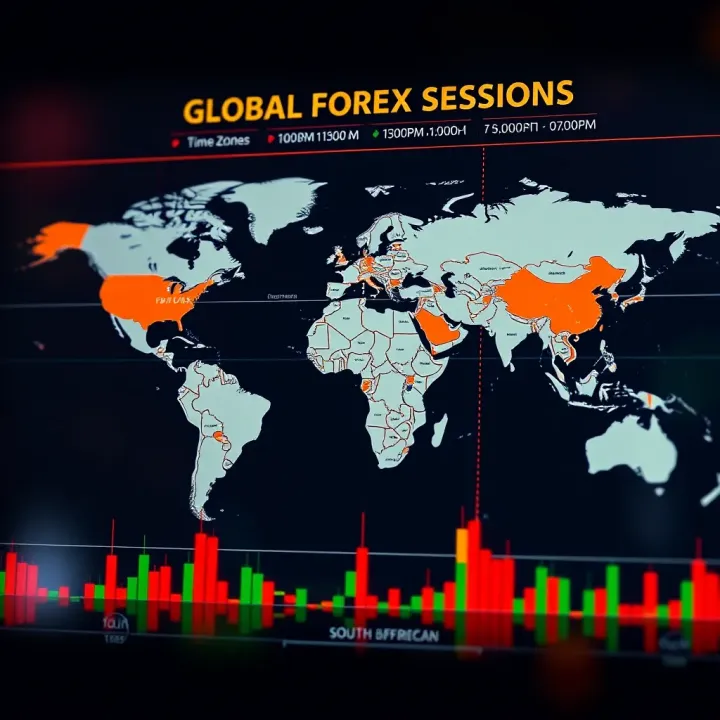
📊 Knowing the best time to trade forex boosts your chances of profit. Learn how market hours, economic news, and Johannesburg sessions impact your trades from South Africa.
Based on 5 reviews