
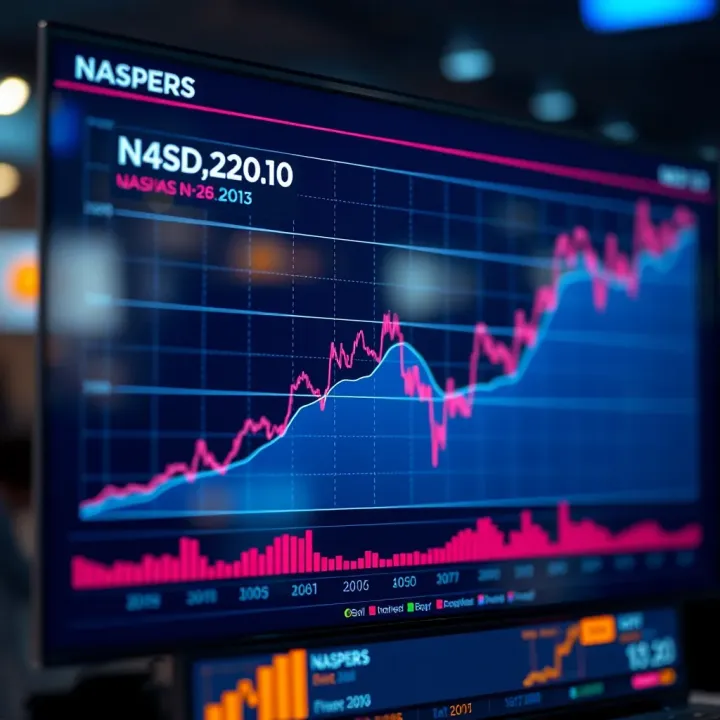
Naspers Share Price Outlook and Key Factors
Explore Naspers share price trends 📈 and key factors impacting investment decisions in the South African market, including risks and analyst insights.
Edited By
Grace Mitchell
Cardano (ADA) has carved out a noteworthy spot among cryptocurrencies thanks to its methodical, research-driven approach to blockchain technology. Instead of rushing to market, the Cardano team focused on peer-reviewed academic work and formal verification, setting the project apart with a strong emphasis on security and scalability. This scientific foundation has attracted investors and developers aiming for sustainable, long-term growth rather than quick gains.
Since its launch, ADA has shown considerable volatility, common in crypto markets, but its steady development roadmap and key milestones have often influenced price swings. For example, the Alonzo hard fork in 2021 introduced smart contract functionality, sparking increased interest and price movement as Cardano began competing more directly with Ethereum.
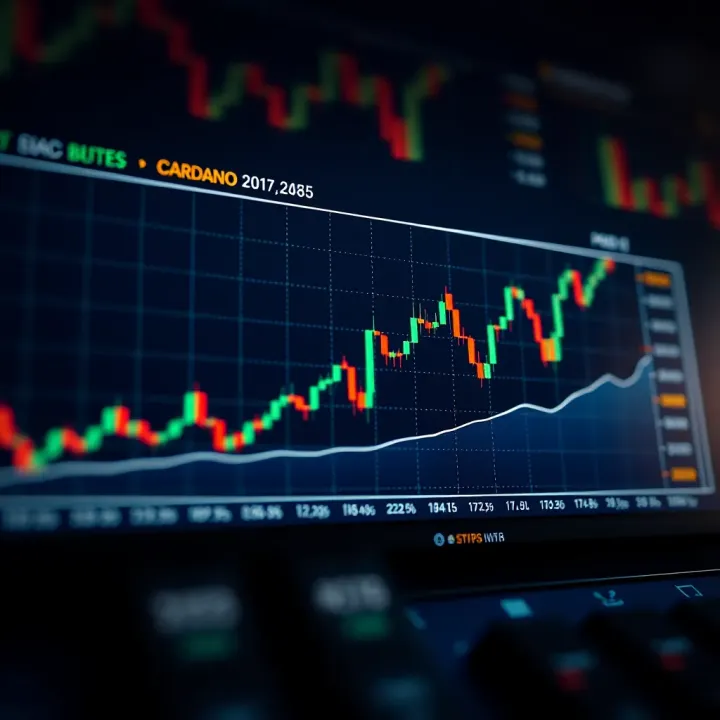
Understanding ADA's future price potential means looking beyond hype and considering fundamental factors such as:
Network upgrades: Planned improvements like Hydra aim to increase transaction speed and reduce fees, which could boost user adoption.
Partnerships and real-world use cases: Collaborations with governments and enterprises across Africa demonstrate Cardano’s efforts to solve practical problems, supporting value stability.
Regulatory environment: South Africa’s evolving crypto regulations and global trends could impact investor confidence and market access.
Investors should bear in mind that despite promising technology, ADA’s price remains subject to broader market cycles, global crypto sentiment, and speculative behaviour.
For traders and analysts, tracking these developments alongside technical indicators will be crucial for making informed decisions. Historical price trends show that major technological rollouts often coincide with increased volatility and opportunity.
By focusing on Cardano’s unique approach and carefully monitoring upcoming events, investors in Mzansi and beyond can better gauge ADA’s place in the evolving crypto ecosystem and its potential price trajectory.
This article will break down ADA's past patterns, review expert forecasts, and offer practical insights to help you navigate its unpredictable yet promising future.
Getting a grip on Cardano and how ADA has performed over time is essential for anyone serious about investing or trading this cryptocurrency. Knowing the project’s roots and its journey helps you make informed calls rather than just following market chatter. It also sets the scene to understand why ADA might behave the way it does as it faces new tech upgrades or market swings.
Charles Hoskinson, one of Ethereum’s co-founders, began Cardano with a vision to build a blockchain platform that’s more secure, sustainable, and scalable than earlier projects. His goal wasn’t to rush; instead, the approach was grounded in academic research and peer-reviewed methods. This scientific mindset means updates come only after thorough testing, which can be reassuring when markets turn jittery.
Technically, what sets Cardano apart is its layered architecture. Unlike many cryptocurrencies that mix transaction and smart contract processing, Cardano separates these functions. This makes it more efficient and allows upgrades without risking the whole network. Plus, it uses the Ouroboros proof-of-stake consensus protocol, which consumes less energy than Bitcoin’s proof-of-work, aligning well with global moves towards greener tech.
ADA, Cardano’s native token, isn’t just a means for payments or value transfer. It plays a role in network governance and staking, meaning holders can vote on proposals and earn rewards by supporting the network’s security. This adds a layer of functionality that encourages users to be more involved, which can influence demand and price fluctuations.
Since its launch in 2017, ADA has seen some notable price milestones. Initially, it was modest, trading below R0.50, but interest surged alongside the 2017 crypto boom, with peaks reaching R40+ at the 2021 bull run. These spikes often reflect developments within Cardano's ecosystem or broader market enthusiasm rather than pure speculation.
Global market trends have had a tangible impact on ADA’s price. When Bitcoin experiences major moves, ADA frequently follows, given the dominant role Bitcoin plays in investor sentiment. Economic factors like interest rate hikes or times of financial uncertainty also sway crypto markets collectively, and ADA is no exception.
Beyond Bitcoin, ADA exhibits a medium to strong correlation with other altcoins. For example, during market corrections in early 2022, ADA’s price movements mirrored coins like Solana or Polkadot, highlighting how broader investor appetite for blockchain tech affects multiple assets simultaneously. That said, Cardano’s unique tech roadmap sometimes decouples it from general trends, signalling potential for independent price action.
Understanding these historical price points and market influences isn’t just academic; it helps investors know when to hold tight or take profits, especially in volatile times. It provides context to ADA’s current price and future possibilities.
This foundational knowledge is key before diving into forecasts or other complex factors shaping ADA’s future.

The future price of Cardano (ADA) hinges on various factors that shape both its technical foundations and market environment. Investors and traders keen on understanding ADA’s trajectory must consider these dynamics, as they directly influence the token's valuation and long-term sustainability.
Upcoming updates and protocol improvements play a significant role in ADA’s potential growth. Cardano’s roadmap includes enhancements such as the implementation of Hydra, a layer-2 scaling solution designed to increase transaction throughput dramatically. This not only aims to reduce fees but also to boost the network's efficiency, making it more attractive for developers and users alike. For example, faster and cheaper transactions could promote adoption in regions with limited internet infrastructure, like parts of rural South Africa.
Effect of smart contracts and dApp integrations is another vital consideration. Since the Alonzo upgrade, Cardano has supported smart contracts, enabling decentralised applications (dApps) to run on its blockchain. This opens the door to services such as decentralised finance (DeFi), games, and NFTs. Practical use cases—like local fintech startups building on Cardano to provide banking services in underserved communities—can drive demand for ADA as it acts as the fuel for these applications.
Network scalability and sustainability also affect ADA’s long-term price outlook. Unlike energy-heavy blockchains, Cardano uses a proof-of-stake (PoS) consensus mechanism that requires far less electricity. This not only aligns with global environmental concerns but also enhances its appeal among investors who prioritise sustainable projects. Moreover, scalability improvements mean the network can accommodate growth without compromises on speed or security, supporting increasing transaction volumes during periods of high demand.
Influence of global cryptocurrency regulations cannot be ignored. Regulatory frameworks differ widely, with markets like the European Union moving towards clear rules, while others remain ambiguous. For ADA, regulatory clarity may encourage institutional investment and broader acceptance, but stringent rules could hamper growth or lead to market fluctuations. For instance, South Africa’s own approach to crypto regulation, as considered by the FSCA, signals an evolving landscape that investors should monitor closely.
Investor sentiment and adoption rates reflect confidence in ADA’s potential. Positive developments, such as partnerships with governmental or financial institutions or endorsements by prominent figures, tend to drive buying interest. Conversely, bears might point to volatility and competition to temper expectations. Local adoption, like more South African exchanges supporting ADA or payment integrations through platforms like SnapScan or Zapper, also serve as tangible boosts to sentiment.
Competitive landscape against other blockchain platforms shapes ADA’s appeal. Ethereum remains dominant for smart contracts and dApps, but scalability issues and high fees open opportunities for Cardano to capture market share. Other competitors include Solana and Polkadot, each with unique features. The ability of Cardano to deliver on promised upgrades and build active developer communities will help define how much of this competition it can convert into increased demand for ADA.
Understanding these factors is key for traders and investors seeking to gauge ADA’s potential price movements. Staying informed on Cardano’s technical progress, market conditions, and policy shifts provides a clearer picture of its place in the broader crypto ecosystem.
Expert opinions and price projections provide invaluable insight for traders and investors trying to make sense of Cardano's (ADA) volatile market. Given how quickly cryptocurrency prices can swing, understanding what analysts forecast helps you set realistic expectations. These insights usually combine technical analysis, market trends, and broader economic factors to offer a picture of potential price movements.
Short-term price predictions focus on a timeframe of days to a few months. Analysts use chart patterns, trading volumes, and recent news events to gauge immediate market sentiment. For example, if a major upgrade on the Cardano network is expected soon, short-term predictions might anticipate a price spike as traders position themselves. This helps active traders time their entry or exit points effectively without overcommitting.
Medium to long-term outlooks cover several months to a few years. These forecasts rely more on Cardano’s adoption rate, ecosystem growth, and overall market conditions such as regulatory changes or economic shifts. Investment professionals consider factors like the rollout of smart contract capabilities or partnership announcements in these predictions. For investors looking beyond quick gains, these projections guide portfolio allocation and risk tolerance over time.
Risks and uncertainties factored in to forecasts include market volatility, regulatory clampdowns, and competition from rivals like Ethereum or Solana. Analysts often caution that unforeseen global events or tech failures can derail price expectations drastically. Recognising these risks helps investors avoid getting caught with unrealistic hopes and supports building a balanced investment strategy.
Optimistic scenarios tend to assume successful network upgrades, increasing adoption, and a bullish crypto market. Some experts suggest ADA could reach new highs if Cardano captures a larger share of the decentralized finance (DeFi) sector. This viewpoint inspires confidence but usually depends on several "if"s lining up perfectly, such as sustained user growth and positive regulatory moves.
More cautious or bearish perspectives highlight issues like slow developer activity or delays in promised features. Others warn that stiff competition and potential regulatory hurdles might limit ADA’s upside. These views serve as a reality check, reminding investors that the crypto space is unpredictable and not immune to setbacks.
Key assumptions behind forecasts often revolve around Cardano’s technology progressing as planned, general market recovery after downturns, and a stable regulatory environment. Analysts differ in how they weight these assumptions, which explains the variation in price targets you’ll see. For anyone involved, understanding these underlying premises is crucial before making investment decisions.
Expert opinions aren't crystal balls—they offer educated guesses that help frame your expectations and prepare you for possible market twists. Always weigh these forecasts alongside your financial goals and risk appetite.
This section arms you with a rounded view of ADA’s future price possibilities, balancing hope with caution to help make smarter, more informed trading or investment choices.
When looking to invest in ADA, it’s not just about the potential profits but also understanding the practical side of investment. Knowing your risk tolerance, how ADA fits into your portfolio, and when to enter the market can mean the difference between a rewarding experience and frustration. This section focuses on these real-world factors to help you make informed decisions.
Volatility in cryptocurrency markets tends to be much higher than in traditional assets like stocks or bonds. ADA, like many altcoins, can see substantial price swings within short periods. For instance, in 2021, ADA’s price rose from under R5 to close to R70 within months, only to drop sharply afterward. Such swings mean that investing in ADA can expose your portfolio to rapid ups and downs, which might not suit everyone’s risk appetite.
That said, volatility also creates opportunities for savvy traders who can time their moves wisely. Understanding this helps you decide how much of your overall investment capital to allocate to ADA without jeopardising your financial stability.
In terms of diversification, ADA offers a unique angle. It’s one of the leading third-generation blockchains with a strong focus on sustainability and peer-reviewed research backing. Including ADA in a diversified portfolio can provide exposure to decentralised finance (DeFi) and blockchain innovation outside of major players like Bitcoin and Ethereum. Pairing ADA with traditional assets—like government bonds or dividend-paying shares—can balance out the risk, potentially smoothing returns over time.
Timing and entry points matter too. Crypto markets often react to technological upgrades, regulatory news, or broader market sentiment. For example, leading up to Cardano’s Alonzo hard fork enabling smart contracts, the price showed notable movements. Keeping an eye on such developments and understanding the market’s mood can help you identify better entry points, rather than buying at temporary price peaks.
For South African investors, choosing a reliable exchange is key. Platforms like Luno, Binance South Africa, and VALR have gained trust for their accessibility, straightforward user interfaces, and support for Rand deposits. Using these exchanges helps you avoid unnecessary hassle with currency conversion and provides compliance with local regulations.
Wallet choice also matters. While keeping ADA on an exchange is convenient, it exposes your holdings to potential exchange hacks or outages. Hardware wallets like Ledger or Trezor offer a safer option by storing your private keys offline. For daily trading, mobile wallets such as Yoroi or Daedalus (both Cardano’s own) also provide a good balance between ease of use and security.
Security best practices cannot be overstated. Always enable two-factor authentication (2FA) on your accounts, avoid sharing private keys, and beware of phishing scams. Regularly updating your software and using unique, strong passwords contribute greatly to protecting your ADA investment.
Costs and fees include deposit, withdrawal, and trading fees that vary between exchanges. Luno might charge lower fees for Rand deposits but have slightly higher trading fees, while Binance offers tight spreads but charges fees on withdrawals. Knowing these helps you avoid surprises that chip away at your investment returns. Also, factor in network fees when moving ADA between wallets, as blockchain congestion can raise costs temporarily.
Investing with a clear understanding of risk, diversification, and secure buying practices sets you up to navigate ADA's market thoughtfully. This approach isn’t just about chasing gains—it’s about protecting your capital in a volatile space.
Making these practical considerations part of your investment plan helps ensure that your experience with ADA is both informed and safer, fitting well within your broader financial goals.
This section pulls together the key points about Cardano’s potential price direction, helping you get a clearer picture amid all the noise. It’s especially handy if you need to decide whether ADA fits into your portfolio or trading strategy without getting lost in technical jargon or endless predictions. By focusing on realistic prospects and risks, you can make informed decisions rather than chasing hype.
Cardano sits at an interesting crossroads. On one hand, its scientific approach and slow-but-steady upgrades set it apart from many cryptocurrencies rushing to market. For example, the introduction of smart contracts with the Alonzo upgrade broadened ADA’s utility, hinting at a solid future. However, it’s not without risks. Technological delays and stiff competition from platforms like Ethereum and Solana could temper ADA’s growth. Investors should weigh this balance carefully: the potential for steady gains coexists with the possibility of setbacks.
The broader crypto market trends will play a big role in ADA’s price swings. Keep an eye on global regulatory shifts, especially in regions like the EU and the US, where new rules can sway investor confidence. Also, macroeconomic factors like interest rate moves by the South African Reserve Bank or changes in global risk appetite can impact crypto investments. For instance, an Eskom loadshedding crisis might limit internet access, affecting local trading volumes. These external factors, combined with Cardano’s network developments and adoption rates, are key signals to track.
Investing in ADA isn’t a guaranteed win, but it offers a reasonable shot at growth if market conditions hold steady and developments progress as planned. South African investors, like those using platforms such as Luno or VALR, should keep their holdings as part of a diverse portfolio that can absorb volatility. Timing entry and exit points is tricky, as short-term speculation is risky in a volatile market. Discipline and clear strategy, together with an understanding of Cardano’s evolving role in the blockchain space, will serve you better than jumping in on FOMO.
Remember, with cryptocurrencies like ADA, it’s just as important to manage risk as to chase returns. Always consider your personal financial situation before diving in.
Explore Naspers share price trends 📈 and key factors impacting investment decisions in the South African market, including risks and analyst insights.
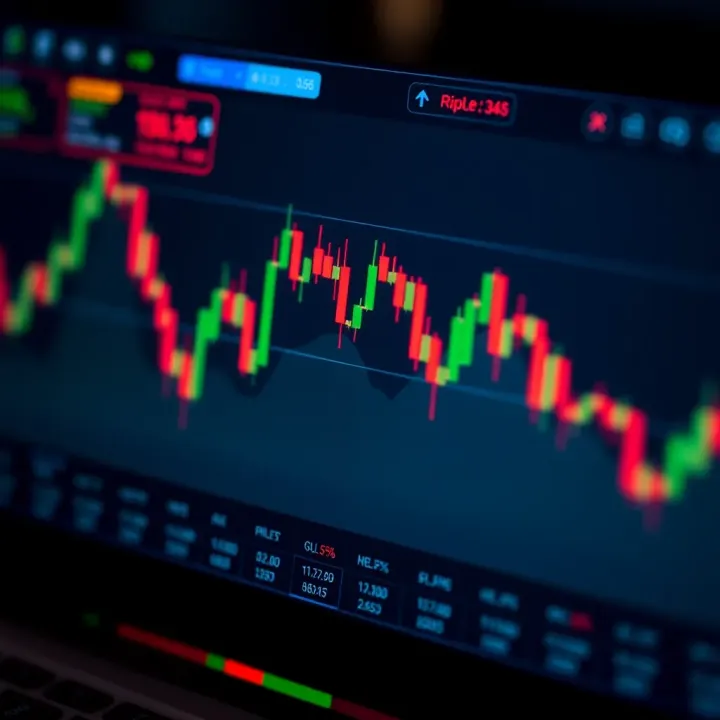
Explore how market trends, technology updates, and regulations shape Ripple (XRP) prices 📊. Get clear insights to guide your XRP investment decisions.
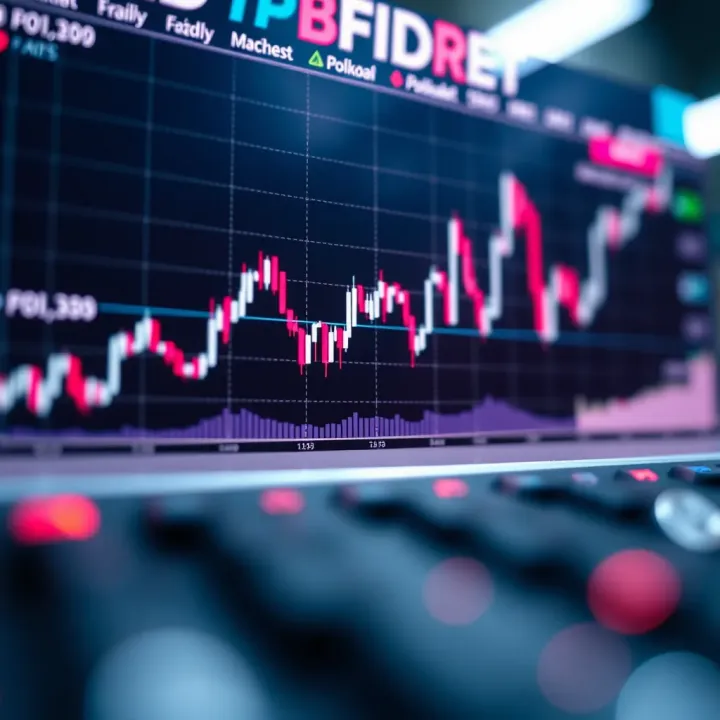
🔍 Explore Polkadot price trends and key factors shaping its value. Get expert insights on what to expect from DOT in the near and long term. 📈
Explore Solana price trends 📉📈, key factors shaping its future, tech updates ⚙️, and insights for South African investors seeking clarity on market moves.
Based on 11 reviews