
Choosing the Right Synthetic Indices Broker in South Africa
Discover how to choose the best synthetic indices brokers in South Africa 🇿🇦 with tips on regulation, trading terms, and avoiding common risks 📊💡
Edited By
James Harding
Trading indices offers a way for South African investors to tap into the broader market trends without picking individual shares. Indices such as the JSE Top 40, S&P 500, or DAX represent a basket of stocks, giving you exposure to various sectors and companies with one trade.
Choosing the right broker matters a great deal because it affects your trading costs, access to markets, platform usability, and security of funds. South African investors often face unique challenges like exchange control rules, loadshedding interruptions, and fluctuating currency rates, so the broker you pick needs to cater to these realities.
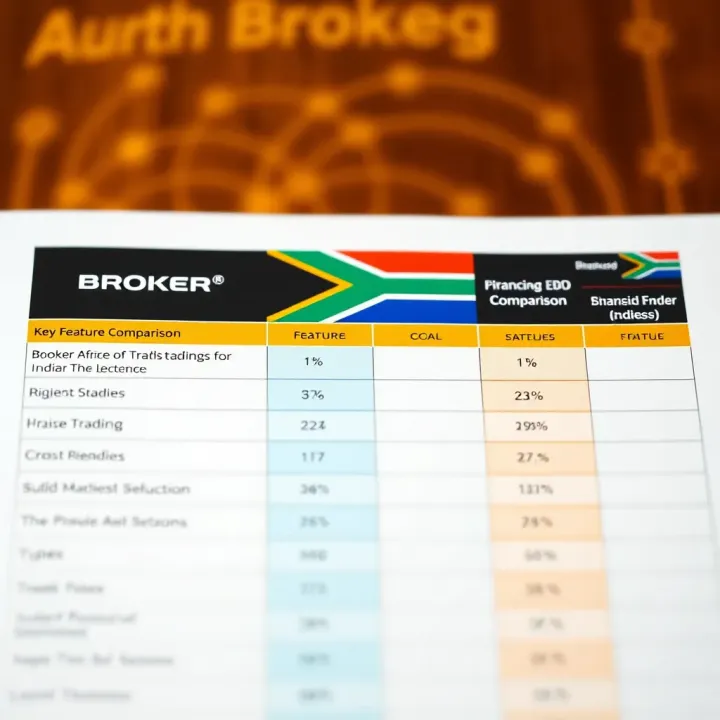
Local brokers like PSG Online or EasyEquities provide direct access to the JSE and familiar regulatory environments, while international platforms such as IG or Plus500 offer a wider range of global indices and trading tools. However, international brokers might pose challenges around currency conversion fees, RICA compliance, or slower customer support.
When assessing brokers, focus on:
Regulation and licence: Ensure the broker is authorised by the Financial Sector Conduct Authority (FSCA) or equivalent.
Trading costs: Look beyond just spreads — consider commissions, withdrawal fees, and forex conversion charges.
Platform features: Check for user-friendly interfaces, ‘what-if’ analysis tools, and mobile app reliability, especially in places affected by power cuts.
Payment options: Verify that the broker supports South African deposit methods like EFT, credit cards, or PayPal.
Customer support: Accessible, localised help is invaluable when navigating technical or financial questions.
Selecting a broker is not just about pricing; it’s about trust, convenience, and how well the platform suits South African investors’ needs.
This article will break down these factors and compare leading brokers to help you build a strategy that suits your trading style and local market conditions effectively.
Index trading has steadily gained traction among South African traders as a simpler yet effective way to participate in the broader stock market. Unlike buying individual shares, trading indices bundles multiple companies into a single financial instrument, offering exposure to a whole sector or economy without juggling numerous stocks. This appeals especially to those looking for diversification without the complexity of managing a large portfolio.
Trading indices can smooth out the unpredictability tied to single companies, making it attractive for traders who want more stable market exposure.
Financial indices are statistical measures tracking a group of stocks, representing a specific market or sector's overall performance. They don't represent ownership like shares, but rather function as benchmarks or trading instruments. For example, the FTSE/JSE Top 40 index tracks the 40 largest companies on the Johannesburg Stock Exchange (JSE), offering a snapshot of South Africa's blue-chip companies. Traders buy and sell index CFDs or ETFs based on these indices, speculating on their price moves without owning any actual shares.
Trading indices cuts down on risks linked to individual company events such as earnings misses or management shake-ups. For instance, if a single company in the index stumbles, the overall index might barely budge, cushioning your position. Also, indices offer liquidity and lower volatility, which can suit newcomers or those seeking steady returns rather than big swings. Handling one product instead of dozens saves you time and management hassle.
The FTSE/JSE Top 40 remains South Africa's most watched index, highlighting the largest and most liquid companies listed on the JSE. It includes giants like Naspers, Sasol, and Standard Bank. Trading this index means you tap into the broader South African economy, with sectors spanning financial services, mining, retail, and technology. Many local brokers provide direct access, making it a practical choice for traders wanting to keep their investments close to home.
For South African traders seeking global exposure, international indices like the S&P 500 (tracking 500 leading US companies) and the FTSE 100 (top 100 UK firms) offer impressive diversity. Accessing these indices through brokers opens doors to sectors not heavily represented on the JSE, such as technology giants like Apple and Microsoft on the S&P 500. Trading these allows South Africans to hedge against local economic risks and broaden their portfolios across currencies and industries.
Both local and international indices provide unique opportunities and risk profiles, so understanding their characteristics helps traders pick the right instruments aligned with their financial goals and risk appetite.
Choosing the right broker is a decisive step when trading indices in South Africa. It impacts not only the costs but also your trading experience, security, and access to markets. Here, we’ll look into the key factors to consider so you can make an informed choice.

First and foremost, ensure your broker is properly regulated. In South Africa, brokers authorised by the Financial Sector Conduct Authority (FSCA) offer a safer trading environment. Regulation means the broker must follow strict rules to protect your funds and personal information. For instance, regulated brokers keep client money in separate accounts, so your funds are shielded even if the broker encounters financial trouble. Be wary of brokers without FSCA oversight or reputable foreign regulators, as this could expose you to risks such as fraud or misuse of your money.
Mobile and desktop access: Today, flexibility is key in trading. A good broker should provide a responsive platform accessible on both desktop and mobile devices. This allows you to check markets, place trades, or close positions quickly, whether you're at home, in the office, or on the go. For example, many South African traders use mobile platforms when commuting or during breaks. A clunky or unreliable mobile app can cause missed opportunities or mistakes.
Order types and charting tools: Variety in order types—like market, limit, stop-loss, and take-profit orders—gives you tighter control over trades and risk. Charting tools with technical indicators, drawing options, and real-time updates allow you to make informed decisions, spot trends, and time entries or exits better. If your broker only offers basic order types and poor charting, you're limited in managing your trades effectively, which could cost you.
Trading costs directly affect profitability. Brokers typically charge spreads (the difference between buying and selling prices) or fees per trade. Some include additional fees like withdrawal charges or monthly platform costs. Look for transparent cost structures and compare spreads on popular indices. For example, a broker with very tight spreads on the FTSE/JSE Top 40 might charge a small commission, while another with wider spreads offers commission-free trades. Evaluate which suits your trading style to avoid unnecessary expenses eating into your returns.
Access to a broad range of indices is beneficial, especially if you want to diversify. Top brokers usually offer local indices like the FTSE/JSE Top 40 alongside major international ones such as the S&P 500 or FTSE 100. Some also provide related markets like commodities, forex, or shares, which can be useful for hedging or switching strategies without changing brokers.
Reliable customer support is vital when facing technical glitches or needing quick answers about your account. Prefer brokers with local support during South African trading hours, reachable via phone, live chat, or email. Additionally, educational resources help sharpen your trading skills. Look for webinars, tutorials, or market analysis tailored for South African traders—this can make a real difference in your learning curve.
Picking a broker demands careful consideration across regulation, platform quality, costs, market access, and support. Remember, the right broker is a partner in your trading journey, not just a service provider.
Choosing the right broker is a cornerstone step for anyone keen on trading indices within South Africa. A thorough review of the top brokers helps you weigh the practical benefits, costs, and platform features that matter most. Knowing the options available locally and internationally saves time and prevents costly mistakes.
South African brokers often appeal because of their local presence and understanding of the domestic market. Features like FICA (Financial Intelligence Centre Act) compliance, support in local languages, and faster response times make these brokers practical for those starting out or looking for straightforward account management. Brokers such as IG South Africa and Plus500 offer platforms tailored for efficient index trading with tools fine-tuned to local market hours and conditions.
Costs are a crucial factor with local brokers. Generally, these brokers charge competitive spreads and may offer zero commission deals on certain indices, ideal for traders who prefer frequent trades without the fees adding up. Typical clients range from retail traders dipping their toes into index trading to more seasoned investors who value local access and service. Local brokers often support funding via common methods like EFT or card payments in Rand, simplifying deposits and withdrawals.
Many South Africans turn to international brokers to access a wider variety of global indices and sometimes more advanced trading platforms. However, regulatory oversight is a key consideration here. Brokers registered with reputable international authorities—such as the UK’s Financial Conduct Authority (FCA) or Australia’s ASIC—generally offer greater security and transparency. Traders should check if brokers comply with South African regulatory standards or meet stringent global rules to protect clients' funds.
International brokers like Saxo Bank and Interactive Brokers provide access to a vast array of indices beyond local offerings, such as the S&P 500, FTSE 100, or the Nikkei 225. This access broadens trading opportunities and diversification potential. However, trading through international brokers often involves foreign currency conversions and possibly higher withdrawal times or fees, which traders should factor in.
When deciding between local and international brokers, consider your trading goals and preferences:
Local brokers: Generally easier account opening, Rand-based transactions, and tight spreads suitable for frequent trading.
International brokers: Access to a broader range of indices, sophisticated platforms, but potentially higher costs and more complex regulatory landscapes.
Always confirm the broker’s regulation status and compare their fees, platform ease, and customer support before committing. Trading indices is about the right fit as much as it is about the costs.
Balancing these elements with practical day-to-day use will help you find a broker that aligns with your trading style and expectations in the South African context.
Trading indices means you're dealing with a basket of shares, which brings both opportunity and risk. To navigate this safely and effectively, it's wise to adopt sound strategies that protect your capital while maximising returns. These tips aren't just theory—they're practical steps you can apply immediately.
Using stop-loss orders is a straightforward way to control your losses. Essentially, you set a price at which your position automatically closes if the market moves against you. For example, if you buy into the FTSE/JSE Top 40 index at 7,000 points, placing a stop-loss order at 6,800 ensures you won't lose more than 200 points’ worth if the market drops. This hands-off tool stops emotions from deciding when to cut losses—something many traders struggle with.
Position sizing is just as critical. It means deciding in advance how much of your capital to risk on each trade, based on your total funds and risk tolerance. Say you have R100,000 for trading and decide you’re comfortable risking 2% per trade—that’s R2,000. Adjusting your position size helps you avoid blowing your account on a single bad trade. This discipline keeps you in the game longer and frees you up to seize better opportunities.
Knowing when to enter or exit trades can make a big difference in your profitability. Watching economic calendars and understanding when major indices usually open and close can help you spot prime trading windows. For example, the S&P 500’s movements often pick up after US market opens at 3:30pm SAST, which might be a good time for action. Avoid chasing markets wildly; instead, plan your trades carefully.
Trading fees, commissions, and spreads can quietly erode your profit margin if you’re not careful. Opt for brokers that offer competitive spreads on indices like the JSE Top 40 or S&P 500, and watch out for hidden charges on deposits, withdrawals, or inactivity. Small savings on costs add up over time, especially if you trade often.
Index prices respond to global and local economic events—interest rate decisions, unemployment stats, or political developments can shift markets quickly. Staying updated through credible South African and international sources helps you anticipate moves. For example, Eskom’s loadshedding announcements might weaken local indices, while US Federal Reserve announcements might ripple through global markets. Staying informed puts you a step ahead.
Remember: Smart index trading in South Africa involves combining practical risk management, strategic timing, cost awareness, and staying plugged into market news. These steps reduce surprises and improve your chances of steady returns.
Opening an account with a broker is your first step to trading indices, but it comes with a few hoops to jump through. Getting this right means smooth trading from the start and reduces the chances of annoying delays later on. Brokers need to verify your identity and ensure compliance with South African laws, especially the Financial Intelligence Centre Act (FICA), which aims to prevent money laundering and other financial crimes.
South African brokers require clients to comply with FICA requirements before account approval. This involves submitting official identification like a valid South African ID book, smart ID, or passport for foreigners. This helps the broker confirm your identity and match it against national databases. Without this, your account won’t get off the ground.
Proof of address also forms a key part of FICA compliance. Brokers typically ask for a utility bill, bank statement, or municipal rates invoice showing your name and physical address, dated within the last three months. This isn’t just red tape — it’s vital for your security and to curb fraud. For example, if you’re living in Johannesburg, a recent Eskom electricity bill in your name works perfectly.
Once your account is approved, funding it is the next step. Most brokers accept deposits via electronic funds transfers (EFTs), credit/debit cards, and sometimes digital wallets like PayPal or Skrill. EFT remains popular in South Africa, especially for locals using banks like FNB, Standard Bank, or Capitec. Deposits usually clear within 24-48 hours but can be instant with card payments.
With international brokers, keep an eye on currency considerations. Since index trading often involves global markets, your account might be in US dollars, euros, or British pounds. Depositing rands might attract conversion fees or unfavourable exchange rates. Some brokers allow multi-currency accounts, which helps if you trade various indices regularly. For example, a Cape Town based trader using a broker with a USD account might deposit R15,000, but the broker converts it, sometimes at a less favourable rate, reducing buying power slightly.
Be mindful that withdrawing profits from your index trading account isn’t just a matter of clicking ‘withdraw’. Tax laws require you to declare gains as income or capital gains to SARS.
South African residents must declare any profits from trading as part of their annual tax return. Keeping clear records of deposits, withdrawals, and trades simplifies this process. Withdrawals usually get paid back via the same payment method used for deposits, and turnaround times depend on the broker’s policies, ranging from a few hours to several days.
By understanding the account opening process — from FICA checks and proof of address to funding and withdrawals — you prevent unnecessary delays and ensure a hassle-free start to index trading. Choose a broker that clearly explains these steps and supports you through the process, especially if you’re new to online trading in South Africa.
Discover how to choose the best synthetic indices brokers in South Africa 🇿🇦 with tips on regulation, trading terms, and avoiding common risks 📊💡
Explore how to pick the best synthetic indices brokers for MetaTrader 5 in South Africa 🇿🇦. Learn key features, risks, regulations & tips.

📈 Explore how to pick the right online trading app in South Africa, with tips on features, security, regulations, and common challenges for smarter investing.

Explore peer-to-peer trading in South Africa 🔄 Learn how it works, its risks, benefits, and tips to trade safely in this growing market.
Based on 11 reviews