
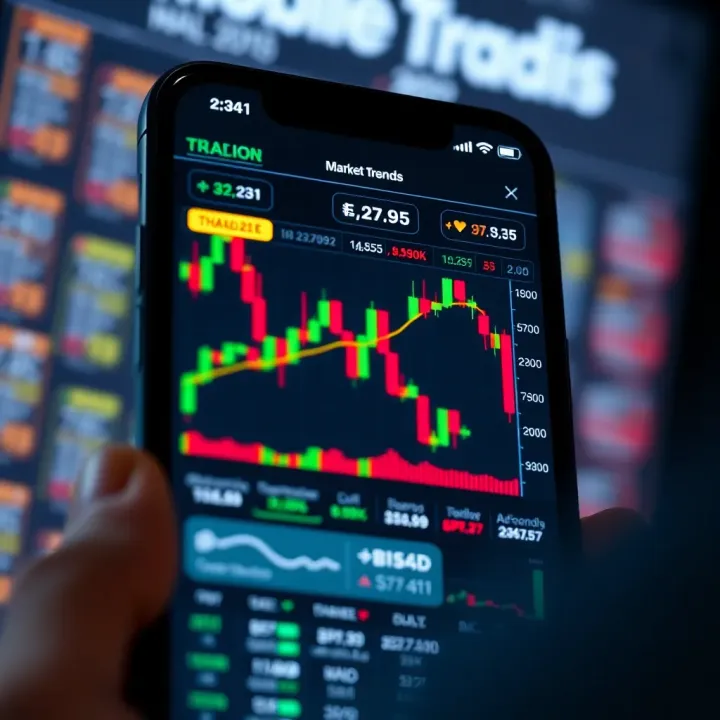
Choosing and Using Online Trading Apps in South Africa
📈 Explore how to pick the right online trading app in South Africa, with tips on features, security, regulations, and common challenges for smarter investing.
Edited By
Isabella Grant
South Africa's trading scene has seen a surge in digital platforms, making it essential to pick a trading app that suits your style, budget, and local market needs. Whether you’re a newbie looking to place your first share trade or an experienced broker needing swift access to JSE (Johannesburg Stock Exchange) instruments, the right app can make a big difference.
Trading apps vary widely in their features, fees, and security measures. Some offer real-time quotes and direct market access while others focus on ease of use and educational tools. Understanding the basics of what to look for can save you time, effort, and possibly a few rand down the line.

Here are some core points South African traders usually consider before downloading any app:
Security: Look for apps that comply with local regulations, including the Financial Sector Conduct Authority (FSCA) oversight, and offer multi-factor authentication.
Costs: Pay attention to brokerage fees, monthly subscriptions, and hidden charges like transfer or withdrawal fees. Platforms like EasyEquities and Standard Bank Online Trading differ widely in cost structures.
Usability: An intuitive interface, quick loading speeds, and smooth navigation are key—especially during volatile market hours or for mobile trades.
Asset Variety: Check if the app supports local shares, exchange-traded funds (ETFs), foreign stocks, or cryptocurrencies.
Customer Support: Accessible and prompt support matters if you hit a snag in the middle of a trade.
A competent trading app isn’t just about ticking boxes; it needs to fit your trading habits and South African financial regulations for peace of mind.
Before jumping in, test out free demo versions when available. This tactile experience often reveals nuances in design and functionality that lists or reviews might miss. Plus, note that your internet speed and mobile data costs can influence daily app use, so factor those into your decision.
Next up, we’ll unpack key features and practical tips to help you assess and choose trading apps that meet your specific needs in Mzansi.
Choosing the right trading app can make a big difference in how effectively and comfortably you trade. Given South Africa’s unique market conditions, such as local exchange regulations, currency fluctuations, and the prevalence of mobile usage, the app you pick should align with these realities. This means looking beyond just flashy features and focusing on what actually supports your trading style and security.
Having access to up-to-the-minute market data is non-negotiable. The South African market is influenced by global events and local developments, so delayed data can cost you opportunities or expose you to risks. Look for apps that provide live charts with technical indicators and allow zoom into different time frames, making it easier to spot trends and make informed decisions.
Not all trades are created equal. Some require instant execution, others might benefit from limit or stop orders that trigger automatically when prices reach certain points. A good app offers various order types and ensures fast, reliable execution so you’re not left hanging during volatile market swings. For example, if you’re trying to catch a JSE spike, milliseconds can matter.
Keeping an eye on your investments shouldn’t be a full-time job. Efficient portfolio tracking tools help you monitor performance across different assets and alert you when key price thresholds are crossed. Imagine getting a ping when MTN shares hit your target sell price rather than constantly refreshing your screen.
South Africans are increasingly mobile, which means an app must work well on both smartphones and desktops. Some traders prefer the portability of a phone to trade on the go, while others might want the comprehensive view of a desktop during intensive analysis. An app that syncs your account and data across devices without hiccups adds serious convenience.
If you’re wasting time hunting for buttons or trying to figure out how to place an order, you’re losing out. The app should have a clean, intuitive layout with logical menus and clear labelling. Simple is better here—no need for cluttered screens that feel like a cockpit. Apps that remember your preferences and streamline frequent tasks score extra points.
Every trader is different, so a one-size-fits-all approach doesn't cut it. Look for apps that let you customise dashboards, alert preferences, and chart settings. For instance, if you only trade equities listed on the JSE, you can set that as your default market or save watchlists for quick access. Being able to mould the interface around your routine turns the app into a genuine trading companion.
The fees you pay directly affect your bottom line. Some South African trading apps charge a flat fee per trade, while others take a percentage or include spreads—the difference between buying and selling price. Be mindful of these costs, especially if you trade frequently or in small volumes. An app that looks cheap but sneaks in wide spreads could eat into your profits.
Funding your account and taking funds out should be straightforward and affordable. Watch out for apps that add hefty charges for deposits or withdrawals in Rand, or that force you to use international payments with unfavourable rates. A seamless integration with South African banks and payment systems like EFT or Instant EFT can save you both time and rand.
Some trading platforms come with additional charges such as inactivity fees, data fees for streaming market information, or account maintenance costs. These can quickly add up if you’re not paying attention. Always read the fine print and compare the full cost profile before settling on an app. A clear fee structure not only builds trust but lets you plan your trading strategy without surprises.
Choosing a trading app isn’t just ticking boxes—it’s about matching the tool to your trading habits, budget, and South African market needs to boost your chances of success.
Choosing the right trading app means understanding what's on offer locally and internationally. This section looks closely at the top trading apps in South Africa, highlighting their reach and how they fit the local trader's needs. You’ll see why having solid market access and smooth integration with local exchanges can make or break your trading experience.

Local trading apps often provide direct access to the Johannesburg Stock Exchange (JSE), Essential for traders focusing on South African equities. These platforms typically offer a range of asset classes including shares, ETFs, and bonds listed locally, allowing you to tap into the market without currency conversion hassles or additional international fees. Apps like EasyEquities or SatrixNOW cater well to retail investors looking to build a portfolio within a familiar environment.
Having strong local market coverage means quicker trade executions and better insight into South African market dynamics. For example, during earnings season or when SARB (South African Reserve Bank) makes interest rate decisions, local apps tend to update market data more rapidly, which helps in making informed decisions.
The best South African trading apps integrate seamlessly with the JSE, ensuring users get real-time pricing and straightforward settlement processes. This means your trades settle in Rand, avoiding complications with foreign exchange rates or delays. Some apps also provide access to smaller but important exchanges, like A2X, offering alternative venues for local shares.
This integration matters practically because it reduces costs and delays linked to international clearing systems. Local apps handling these directly usually mean faster fund availability and easier tax reporting on your SARS returns.
International trading apps like Interactive Brokers or eToro that offer ZAR-denominated accounts simplify the funding and withdrawal process for South Africans. When your account supports Rand, you avoid the hassle and cost of currency conversion every time you trade.
This feature is a big plus especially if you want to access global markets while keeping your finances local. Without a ZAR account, you might pay unnecessary forex fees or get delayed in accessing your money — particularly tricky in volatile exchange rate periods.
International apps with solid regulatory footing, including South African Financial Sector Conduct Authority (FSCA) registrations or relevant cross-border licences, provide added peace of mind. They usually adhere to stricter compliance standards around client funds, data protection under POPIA, and anti-money laundering rules per FICA.
Good local customer support and clear communication tailored to South African users also count here. For instance, having an Afrikaans- or isiZulu-speaking support team or offering documentation that meets local legal standards can ease onboarding and ongoing use.
When picking a trading app, balance local familiarity with global reach. The right fit depends on your trading goals, the assets you want, and how comfortable you are managing funds across borders.
By comparing these aspects, traders can pinpoint apps that match their needs, whether it’s quick JSE trades or buying shares on the NYSE with Rand ease.
Navigating the world of trading apps in South Africa means paying close attention to security and regulation. These factors aren’t just boxes to tick; they protect you from fraud, scams, and potential financial losses. Since trading involves real money, ensuring your chosen app complies with local laws and uses solid security practices is smart. This section unpacks key regulatory bodies and practical ways to keep your account and data safe.
The Financial Sector Conduct Authority (FSCA) is South Africa’s watchdog for financial services. It oversees how trading platforms operate, ensuring they behave fairly and transparently. When your trading app is authorised by the FSCA, you get a level of trust that it follows the rules designed to protect investors. For example, an FSCA-regulated app must disclose its fees clearly and handle client funds separately from its own. If things go south, this regulatory oversight can make a real difference in dispute resolution.
Apps without FSCA approval might expose you to unnecessary risks—such as unreliable customer support or unregulated trading practices. Always check the platform’s FSCA status before you register.
Two important laws impact traders in South Africa: the Financial Intelligence Centre Act (FICA) and the Protection of Personal Information Act (POPIA). FICA requires trading apps to verify your identity to prevent money laundering and financial crimes. Expect to submit documents like your ID, proof of address, or even a RICA-registered mobile number when opening an account.
POPIA, on the other hand, focuses on your privacy. It governs how apps collect, store, and use your personal data. A POPIA-compliant trading app must handle your data responsibly and inform you about its privacy policies. This means your personal and financial information won’t just be tossed around or accessible to unauthorised parties.
Two-factor authentication (2FA) adds an essential layer of security beyond just a password. When enabled, it requires you to enter a second form of verification—like a code sent to your mobile or a fingerprint scan—before you can log in. This is especially important for trading apps since accounts often hold sizeable amounts of money.
South African traders should prioritize apps that offer 2FA because it drastically reduces the chance of unauthorised access, even if your password gets compromised during phishing attacks or data leaks.
Trading apps deal with sensitive information, including bank details and trading history. Encryption scrambles this data, so even if hackers manage to intercept it, reading the information becomes nearly impossible. Top-tier trading platforms use strong encryption protocols, such as SSL/TLS, to protect data during transmission.
Besides encryption, reputable apps invest in secure servers, regular security audits, and updates to patch vulnerabilities. For you, this means your account details and transactions are shielded from cyber-attacks. Before you commit, ask if the app uses industry-standard encryption and what measures it takes to protect your data.
Always keep your trading login details private and use features like 2FA to lower risks. In South Africa, where digital crimes are on the rise, these steps aren’t just cautious—they’re necessary.
By paying attention to regulatory compliance and solid security measures, you protect yourself while trading. It’s better to choose a trusted app upfront than deal with headaches later. Remember, your money and information deserve nothing less than strong safeguards.
Starting with a trading app can feel daunting, especially when navigating South Africa's specific financial and regulatory environment. This section lays out practical steps that help you set up smoothly, control risks, and manage costs effectively. Whether you're new to trading or switching apps, these tips are crucial for making the most of your experience.
Most South African trading platforms require you to comply with the Financial Intelligence Centre Act (FICA) and the Regulation of Interception of Communications and Provision of Communication-Related Information Act (RICA). These laws aim to prevent fraud, money laundering, and protect identity. You'll typically need to submit a certified copy of your ID or passport, proof of residence (like an electricity bill), and sometimes bank statements. For mobile traders, the RICA process might also involve verifying your mobile number linked to the account.
Ensuring your documents meet these requirements upfront will speed up account approval and avoid unnecessary delays. For example, if you send an outdated utility bill or unclear ID photo, the platform may reject your application, wasting valuable time.
Funding your trading account in South African Rand (ZAR) simplifies transactions and avoids foreign exchange fees. Most local platforms allow direct EFT (electronic funds transfer) deposits from your bank account. This prevents the hassle and cost of currency conversion every time you trade or deposit funds.
A practical approach is using internet banking from your primary bank (FNB, Standard Bank, Nedbank, Capitec) to transfer funds. Some platforms even support instant wallet top-ups via SnapScan or Zapper. Just keep in mind the clearing times for EFTs, which can be a day or two, affecting how quickly you can start trading.
Jumping straight into real trading can be risky, especially without practice. Many South African trading apps offer demo accounts with virtual money, allowing you to test strategies without losing actual cash. This helps build familiarity with the app's interface and market conditions, particularly when trading on the Johannesburg Stock Exchange (JSE) or international markets.
Starting small with real funds reduces potential losses while you learn. For instance, placing a trade worth R500 rather than R5,000 lets you experience live trading pressures without risking too much. Over time, as confidence grows, your position sizes can increase responsibly.
Costs can eat into your profits if you overlook them. Trading apps often charge commissions, spreads, withdrawal fees, and sometimes monthly maintenance charges. For example, a platform might charge R20 per trade or a 0.25% spread on forex pairs. These add up, especially for frequent traders.
Also, remember the tax angle. In South Africa, profit from trading shares or forex is taxable and must be declared to SARS (South African Revenue Service). Keeping clear records via the app can simplify tax reporting. Understanding both direct costs and tax implications keeps your trading sustainable in the long run.
Starting off properly helps avoid common pitfalls. Take your time with setting up, practice with small stakes, and always track fees. This way, you lay a solid foundation for effective trading with confidence in South Africa’s markets.
Keeping an eye on future trends and developments is a smart move for anyone serious about trading here in South Africa. With technology moving quickly and regulations evolving, staying updated helps traders choose platforms that won’t just serve today's needs but are ready for tomorrow’s challenges too. Let’s break down some key trends shaping how trading apps operate locally.
More trading apps in South Africa are linking up with popular mobile payment methods like SnapScan, Zapper, and even Vodafone's MyVodacom Wallet. This means you can top up your trading account or withdraw profits instantly without fussing over traditional bank transfers, which can sometimes be slow or carry extra fees. Considering the high mobile penetration here, this integration offers a real convenience boost, especially for traders who prefer managing their money on the go.
Beyond convenience, this also means smaller traders and those in more remote areas can participate in markets more easily. These payment options reduce friction, making trading apps more accessible to a broader crowd — whether you’re on the stoep in a township or in a busy office in Sandton.
Artificial intelligence (AI) is increasingly being woven into trading apps, offering users data-driven insights that can improve decision-making. Instead of just reactive charts, some apps now suggest potential trades based on patterns AI detects from vast amounts of data, including global market moves and local economic indicators.
For example, an app might alert you to an opportunity in commodities trading just as international gold prices start shifting — vital for those invested locally or looking for diversified exposure. While AI won’t guarantee profits, it adds an extra lens to spot trends early and helps even novice traders make more informed choices.
South African investors are no longer limited to the JSE (Johannesburg Stock Exchange). Many trading apps now open doors to global markets like the NYSE, LSE, and HKEX. This expansion means you can build a diversified portfolio from the comfort of your home or office while still dealing in rand (ZAR).
Accessing these international markets through local apps often includes features like real-time currency conversion and tax documentation aligned with SARS regulations. It helps traders benefit from global opportunities without worrying about complex foreign exchange barriers or unfamiliar legal requirements.
The Financial Sector Conduct Authority (FSCA) regularly reviews policies to keep trading safe and fair in South Africa. Recent updates focus on tightening rules around biometric data in Know Your Client (KYC) processes and ensuring apps comply with the Protection of Personal Information Act (POPIA).
For traders, this means heightened security and privacy standards when using trading apps. But it also means platforms have to improve transparency on fees and risk disclosures. Staying informed about these regulatory shifts ensures you’re using apps that respect your rights and protect your investments in line with local law.
With trading apps evolving rapidly, watching how technology and regulation unfold can give you an edge in picking the best platform for your trading style and needs.
In summary, South African trading apps are becoming more integrated with local payment systems and smarter through AI features. At the same time, access to global markets is broadening, wrapped in a regulatory environment that's tightening up for safer trading. Keeping tabs on these trends is no fluff — it directly affects how effectively you can trade in the months and years ahead.
📈 Explore how to pick the right online trading app in South Africa, with tips on features, security, regulations, and common challenges for smarter investing.

Explore peer-to-peer trading in South Africa 🔄 Learn how it works, its risks, benefits, and tips to trade safely in this growing market.
📊 Explore Quotex trading made simple! Learn how South African traders can set up accounts, use trading tools, manage risks, and weigh pros and cons before starting.
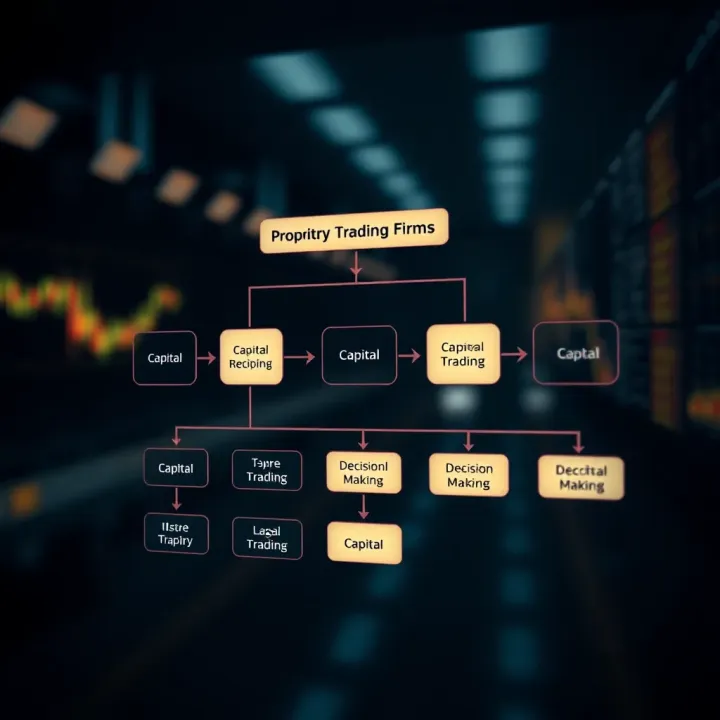
Explore how South African prop trading firms operate, what to expect, risks involved, and expert tips for traders ready to join these firms. 📈💼
Based on 14 reviews