
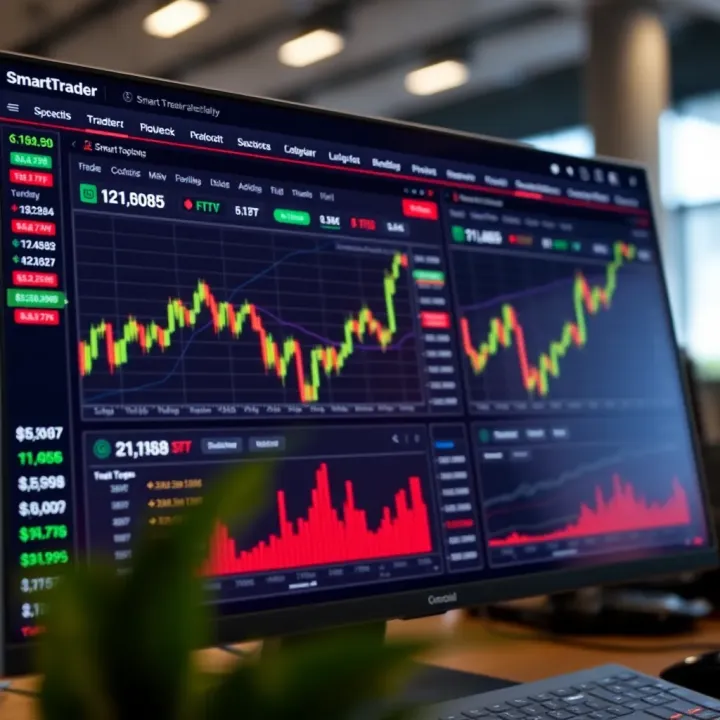
SmartTrader Guide for South African Traders
📊 Explore SmartTrader for South African traders: deep dive into features, account types, fees, security, customer support & expert tips for success!
Edited By
Isabella Clarke
Forex indices represent a unique category within the trading arena, tracking combined movements of various currency pairs rather than focusing on individual currencies. For South African traders, understanding these indices is vital as they provide a broader perspective on the foreign exchange market, especially in relation to the rand (ZAR).
Unlike equity indices, such as the JSE Top 40, forex indices aggregate price changes from multiple currencies, creating a snapshot of overall sentiment for a particular currency or group. For example, the US Dollar Index (DXY) measures the dollar's strength against a basket of major currencies, including the euro, yen, and pound. While South Africans often watch the rand-dollar pairing, indices like these can help reveal more nuanced trends that impact the rand indirectly.

Forex indices reflect the balance of demand and supply across several currency pairs, offering a clearer view of market momentum and volatility.
Key factors that influence forex indices include interest rate changes by central banks, geopolitical developments, economic data releases, and market sentiment shifts. For South African traders, Eskom’s rolling load shedding or changes in commodity prices such as gold and platinum can also affect the rand’s performance within forex indices.
When trading forex indices, investors often use them to hedge positions or gain exposure to broader market movements without holding individual currency pairs. Platforms like Plus500 and IG provide access to these indices via contracts for difference (CFDs), allowing for both long and short positions.
Practical tips for South African traders include:
Monitor global events alongside local economic conditions to gauge index movements.
Use forex indices as part of a diversified forex portfolio to reduce risk.
Stay aware of how the rand is influenced not just by local factors but by global currency trends captured within these indices.
Forex indices offer a practical tool that complements traditional currency trading. By understanding their structure and influences, South African traders can better navigate the complexities of the forex market and make more informed decisions.
Forex indices provide a snapshot of the overall strength or weakness of a currency relative to a basket of other currencies. Unlike trading a single currency pair, forex indices aggregate movements across several pairs, offering a broader view of currency performance. This helps traders track market trends with greater clarity and reduces exposure to the volatility of individual currency pairs.
At their core, forex indices measure a specific currency’s value against a selected group of foreign currencies. Imagine the rand’s performance not just against the US dollar, but also against the euro, pound, yen, and others — all combined into one figure. The index shows if the currency is generally strengthening or weakening in the market. This is useful for traders who want a quick gauge of market sentiment and regional economic strength without the noise of single currency fluctuations.
Some globally recognised forex indices include the US Dollar Index (DXY), the Euro Currency Index, and the Japanese Yen Index. The US Dollar Index, for instance, measures the greenback’s value against six major currencies like the euro, yen, pound, Canadian dollar, Swedish krona, and Swiss franc. Each currency is assigned a weight depending on trade volume and economic importance. These indices are benchmarks for traders worldwide and provide insight into global economic health.
Forex indices react to economic events and policy shifts affecting the constituent currencies. For example, if South African economic data points to stronger growth and rising interest rates, the rand index might surge as traders gain confidence. Conversely, geopolitical tensions causing uncertainty in Europe could drag down the euro index, reflecting weaker market sentiment.
Forex indices distil complex movements across several currencies into a single, clear figure that traders can use to identify trends quickly and make better-informed decisions.
For South African traders, following forex indices can reveal how global shifts affect the rand’s strength within emerging market contexts. This helps in adapting strategies and identifying trading opportunities amid local market conditions.
By understanding what forex indices represent and how they move, traders can make smarter choices instead of relying on isolated currency pairs alone. The indices paint a bigger picture, helping you see beyond single-point fluctuations to overall market direction.

Understanding what moves forex indices is key for traders aiming to make informed decisions. These indices, which track groups of currencies, shift based on multiple influences that impact the underlying economies. Here, we focus on three main drivers: economic indicators, central bank policies and interest rates, and political events paired with market sentiment.
Economic indicators provide a snapshot of a country’s economic health, and forex indices react noticeably to these figures. For example, GDP growth rates, unemployment numbers, and inflation levels can all sway a currency index. In South Africa, if the quarterly GDP report shows unexpected contraction, the rand-based components of an index might weaken, dragging the index down. Similarly, higher inflation could prompt expectations of interest rate hikes, indirectly influencing indices. Traders who keep an eye on regular data releases from Statistics South Africa or global bodies can anticipate index movements based on these readings.
The South African Reserve Bank (SARB) plays a significant role in forex indices involving the rand by adjusting interest rates or providing forward guidance. Higher interest rates usually attract foreign investment, strengthening the currency and the indices that track it. Conversely, dovish stances signal caution or economic challenges, often leading to weaker indices. Globally, announcements from central banks like the US Federal Reserve or the European Central Bank also ripple through forex indices. For instance, a surprise rate increase in the US might boost the dollar index, forcing South African traders to reconsider their hedging strategies.
Political stability or upheaval directly affects market confidence and so the direction of forex indices. In South Africa, events such as policy changes, elections, or unexpected government reshuffles can stir sentiment and cause the rand-related indices to react sharply. Traders should also watch for developments in major economies that affect global risk appetite. Market sentiment, often measured through indices or surveys, can amplify movements; a mood shift from risk-on to risk-off can trigger rapid index swings. Staying updated on regional news and understanding how sentiment influences market psychology helps traders navigate volatility.
Major shifts in forex indices often coincide with a mix of economic, policy, and political signals, making it vital for traders to monitor these factors closely.
By focusing on these drivers, South African traders can better anticipate trends in forex indices and refine their trading decisions — whether hedging against rand weakness or capitalising on moves in global currency baskets.
Traders often use forex indices to get a broader sense of currency market movements without having to track individual pairs constantly. These indices bundle several currencies into one value, reflecting overall market trends, which makes them practical tools for spotting opportunities and managing risk in a market as volatile as forex.
Trading forex indices offers a smoother ride compared to single currency pairs. Because they represent a basket of different currencies, indices naturally dilute the impact of any single currency’s movements, reducing volatility. This makes them ideal for traders wanting exposure to broad currency trends without the sharp swings seen in pairs like USD/ZAR or EUR/ZAR. For example, rather than speculating only on the rand against the dollar, a South African trader might follow a broader emerging market currency index to capture regional shifts.
Indices also provide a useful hedge. If you have investments or exposure in multiple currency pairs, trading an index can help balance out risks inherent in any one currency moving against the rand. Plus, indices often have better liquidity and tighter spreads, cutting down trading costs.
Technical analysis remains vital in forex index trading. Traders study price charts, looking for support and resistance levels, trend lines, and patterns such as triangles or head and shoulders to anticipate future moves. Indicators like moving averages, RSI (Relative Strength Index), and MACD (Moving Average Convergence Divergence) help identify momentum or possible reversals. Because indices reflect groups of currencies, technical signals tend to be more reliable than with single pairs prone to erratic moves.
For instance, if an emerging market currency index breaks above a long-term resistance, a trader might view this as a sign the broader emerging currency market is strengthening and plan trades accordingly.
Fundamental analysis involves following economic data, policy decisions, and geopolitical developments that affect the currencies within the index. If the US Federal Reserve raises interest rates, for example, it could strengthen the dollar and shift global currency indices. South African traders should watch domestic factors like SARB repo rate changes or budget announcements, as these affect the ZAR’s performance within regional indices.
Understanding the drivers behind currency moves helps traders avoid blind trades based purely on charts. For example, if inflation soars in several countries within an index, traders might expect those currencies to weaken, affecting the index direction.
Sentiment analysis gauges how market participants feel about currencies in an index. This can come from traders’ positioning reports, news headlines, or social media chatter. If most traders are heavily short on emerging market currencies, sentiment might signal a potential reversal or continuation depending on broader context.
South African traders can combine sentiment with technical and fundamental analysis for a fuller picture. For example, if sentiment turns overly negative on the rand but fundamentals remain strong, a contrarian trader might look for buying opportunities in related indices.
Trading forex indices blends several approaches, making it easier to navigate complex currency interactions with a single trade.
Managing risk is key when trading forex indices. Start with position sizing—never risk more than a small percentage of your trading capital on one trade. Since indices are less volatile than single currencies, traders can sometimes afford slightly larger positions but should still set strict stop-loss orders to limit losses if markets turn.
Diversification also helps. Even within forex indices, consider trading a mix of indices representing different regions or economic blocks to spread risk. Constantly monitor your trades, especially around major economic releases or geopolitical events that could trigger sudden shifts.
In South Africa, traders must also keep an eye on local factors like rand volatility due to loadshedding announcements or political developments, which can influence index moves indirectly. Using a solid risk management plan prevents sharp losses and helps build consistent profits over time.
The South African Rand (ZAR) plays a unique role in forex indices trading, especially for local traders who need to factor in its specific behaviour and influences. The rand's volatility, largely driven by domestic economic and political events, shapes the movement of regional forex indices and presents both opportunities and risks for investors. Understanding this relationship helps traders adjust strategies to better navigate the fluctuations typical of emerging market currencies.
The rand significantly impacts regional forex indices such as the USD/ZAR currency index or broader emerging market currency baskets that include South Africa. For example, when the rand weakens against the US dollar due to political uncertainty, it can drag down indices tracking emerging-market currencies. Conversely, a stronger rand, buoyed by commodity price rises or positive economic data, tends to lift these indices. This behaviour means that any change in the rand's value, influenced by factors like gold or platinum price shifts, often sends ripples across regional indices.
South Africa's local economic elements—such as inflation rates, unemployment figures, and GDP growth—directly affect the rand and traders' performance on related forex indices. Loadshedding interruptions, for instance, have historically weakened the rand, causing sudden drops in indices sensitive to ZAR. Similarly, decisions by the South African Reserve Bank (SARB) on interest rates can provide short-term boosts or downturns. Traders who monitor these macroeconomic signals closely often manage better entry and exit points within index trades involving the rand.
Given South Africa’s occasional bouts of economic instability and external shocks, adapting trading strategies is vital. For example, incorporating macroeconomic calendars highlighting SARB announcements or GDP releases can help prevent getting caught in volatile moves. Some traders use hedging strategies with currency options to manage rand-related risk within indices. Moreover, seasonal patterns, like strengthened rand flows during commodity price booms or fiscal year ends, can guide timing decisions. Ultimately, tailoring trading plans to align with South African realities—like anticipating loadshedding impacts or local political events—can improve outcomes.
For South African traders, staying aware of how the rand interacts with regional forex indices adds a crucial edge, balancing risks with practical insights.
By appreciating the rand’s influence, keeping an eye on local economic trends, and adapting to market rhythms, traders can approach forex indices trading with greater confidence and finesse.
📊 Explore SmartTrader for South African traders: deep dive into features, account types, fees, security, customer support & expert tips for success!
📊Explore PocketOption for South African traders: key features, account types, secure payments & smart trading strategies to boost your online trading skills! 🇿🇦
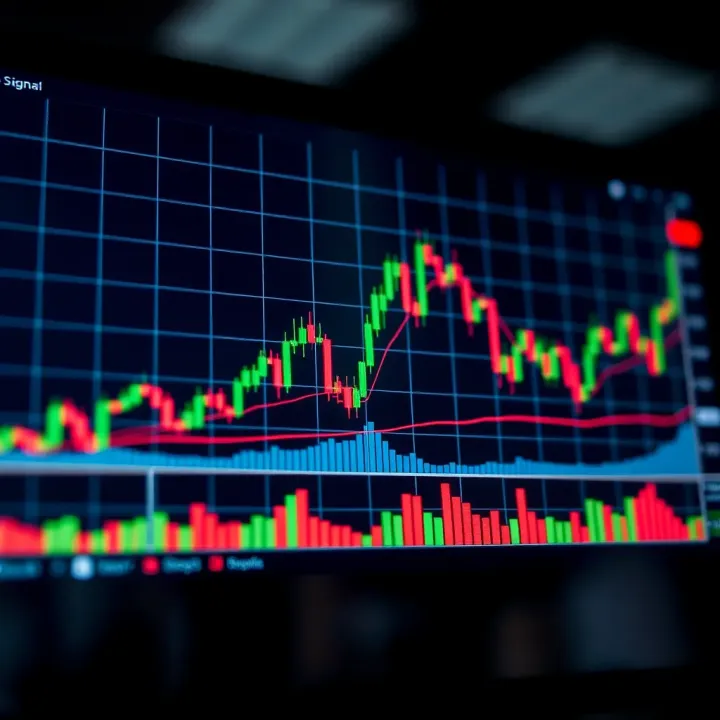
📈 Learn how signal trading works and its practical use for South African traders. Explore types, access methods, risks, and smart tips to enhance your strategy.

Discover how Robotrader APK works🇿🇦! Learn installation, features, safety tips🔒, legal info, and troubleshooting for South African traders📱.
Based on 5 reviews