
Olymp Trade Review: Features, Fees & Security
Explore Olymp Trade's features, fees, and security for South African traders 🇿🇦. Get insights on trading options, accounts, learning tools, and support 📊💡
Edited By
Isabella Grant
Olymp Trade has caught the attention of many traders here in South Africa, keen to tap into online trading possibilities. But the question on every trader’s lips is simple: Is Olymp Trade legit? Before you click through to start trading, it pays to understand the platform’s background, how it’s regulated, and what risks to watch out for.
Olymp Trade operates as an online brokerage offering clients access to financial markets like forex, commodities, indices, and cryptocurrencies. Founded in 2014, it claims to serve millions worldwide, allowing trades from as little as R50. Such low barriers can be appealing but also raise red flags if the platform isn’t properly overseen.
The regulatory angle matters a lot. Olymp Trade is overseen by the International Financial Commission (FinaCom), which provides a degree of dispute resolution and client protection. However, it lacks direct authorisation from South African financial authorities such as the Financial Sector Conduct Authority (FSCA). This absence means South African traders won't benefit from local regulatory safeguards if issues arise.
User experience across various international forums shows mixed reviews. Some traders praise the intuitive platform design and educational resources, while others point out challenges around withdrawal times and customer support responsiveness. As with any online broker, experiences vary depending on individual expectations and trading behaviour.
Beyond basics, traders should ask: what risks are involved? Olymp Trade offers leveraged trading, meaning small price moves can lead to rapid losses. Newcomers must remain cautious and consider proper risk management, especially given the volatility of instruments like cryptocurrencies or forex pairs.
Security-wise, Olymp Trade uses standard encryption for data protection and implements two-factor authentication for account safety. While these are standard in the industry, remember that no system is foolproof. Practising personal digital hygiene — strong, unique passwords and awareness of phishing tactics — remains essential.
For South African traders, the takeaway is clear: Olymp Trade is a functioning platform with some form of international regulation but lacks direct local oversight by FSCA. It is neither a scam nor a fully vetted broker by South African standards.
In summary, Olymp Trade presents a mix of pros and cons. Its simplicity and market access are attractive but come layered with regulatory and risk considerations. If you decide to trade, start small, educate yourself, and stay alert to market and platform-related risks.
Getting a clear picture of Olymp Trade’s background and offerings helps you decide if it suits your trading style and objectives. This section breaks down who the company is, what kinds of trading it offers, and what practical perks or challenges you might expect. For South African traders, understanding these basics is vital because it influences how you manage risk and set expectations.
Olymp Trade launched in 2014, aiming to provide a user-friendly online trading platform catering mostly to retail traders. It’s owned by Smartex International Ltd., registered in St. Vincent and the Grenadines. While the company isn’t based in South Africa, it serves clients globally, including here in Mzansi. Over the years, it has grown popularity, partly due to a low minimum deposit (around R150) and easy access via mobile apps and web browsers. However, its offshore registration means South African regulatory protection is limited, a point that requires attention.
Forex trading involves buying and selling currency pairs, such as USD/ZAR or EUR/USD, aiming to profit from fluctuations in exchange rates. Olymp Trade’s forex market includes a fair range of popular pairs with tight spreads, offering liquidity and round-the-clock trading on weekdays. This suits those wanting to speculate on currency moves, hedge foreign exposure, or try short-term intraday trades. For example, the platform’s simple interface enables quick order execution on a mobile device—practical for traders on the go.
Options and digital trading is where Olymp Trade is often best known. This type involves contracts that let you predict whether an asset’s price will rise or fall within a set timeframe, rather like a binary bet. Digital options can be appealing because they cap your potential loss upfront, making risk control easier. Beginners especially like the predictability of outcomes and shorter expiry times—sometimes just minutes—allowing fast decision cycles. Remember though, consistent profits here demand solid strategy and discipline, as rapid moves can catch traders off guard.
Other financial instruments on Olymp Trade include indices, commodities, and cryptocurrencies. These expand your trading opportunities beyond currencies and options. For instance, commodities like gold and oil are commonly traded to diversify away from forex. Cryptocurrency trading involves popular digital coins such as Bitcoin and Ethereum, which South African traders increasingly follow despite volatility. Indices, representing baskets of shares, give a broader market exposure and suit longer-term views. These instruments widen your toolkit but also add complexity and varying risk profiles to your portfolio.
Knowing what Olymp Trade offers helps you align its services with your own trading goals and risk appetite, crucial before committing any funds.
Overall, this overview aims to equip you with practical insights so you can weigh Olymp Trade’s platform capabilities against your needs and expectations in South Africa’s unique trading environment.
Understanding the regulation and licensing status of Olymp Trade is essential for anyone considering using the platform. Regulation provides a framework that governs how brokers operate, protects traders from scams, and ensures that financial activities meet recognised standards. For South African traders, knowing a platform’s licensing credentials helps avoid pitfalls linked to unregulated entities that might not honour withdrawals or maintain fair trading conditions.
When a platform is properly licensed, it indicates oversight by an official body which monitors compliance with financial laws. This oversight often results in safer trading conditions, regulation of client funds, and the requirement for transparent practices. Conversely, platforms without recognised licenses might pose risks such as withdrawal delays or unfair trade rejections.
Financial trading platforms like Olymp Trade frequently operate across borders, so they often seek licenses from multiple international regulators. These bodies set rules on capital requirements, client fund segregation, and reporting standards. For example, regulators such as the Financial Conduct Authority (FCA) in the UK or the Cyprus Securities and Exchange Commission (CySEC) in Europe are known for strict controls that maintain investor protection.
While Olymp Trade is primarily regulated outside South Africa, understanding this international regulatory landscape helps traders weigh the risks. A licence from a well-known authority provides some assurance that the broker meets certain operational standards, even if it’s not locally regulated by the Financial Sector Conduct Authority (FSCA). That said, traders should be cautious if the platform is regulated in jurisdictions with looser controls.
Olymp Trade is a member of the International Financial Commission (IFC), an independent dispute resolution organisation focusing on forex brokers. The IFC does not provide a traditional licence but offers an external mechanism for traders to challenge unfair treatment or disputes with the broker. This includes coverage through a compensation fund, which can reimburse claims up to a certain amount if the broker fails to resolve issues.
The IFC membership adds a level of trader protection unavailable with many unregulated platforms. It offers practical reassurance that a user can turn to a third-party arbitrator if they encounter problems with Olymp Trade. However, this protection does not replace formal regulatory oversight, so users should still consider the full regulatory profile of the broker before trading.
Olymp Trade holds a trading licence issued by the International Financial Commission, and it complies with rules set by this organisation to resolve disputes fairly. The platform regularly publishes audits and transparency reports as part of its commitment to trustworthiness. Additionally, it follows industry-standard security measures to protect client data and funds.
Nonetheless, Olymp Trade is not regulated by major financial authorities like the FSCA or the FCA, which might raise concerns for some South African traders. The lack of local licensing means traders should be mindful of the risks, especially around fund protection and legal recourse.
That said, the platform’s international licensing and IFC membership signal it is not a scam but rather aims to operate legitimately within its regulatory framework. South Africans interested in Olymp Trade should weigh these factors carefully, assessing whether the protections offered align with their risk tolerance and trading needs.
Regulation and licensing matter because they form the first line of defence for traders. A platform’s oversight status can tell you whether you’re dealing with a reputable firm or risking your hard-earned money with no guarantees.
User experience and trading conditions matter a great deal when deciding whether a platform like Olymp Trade fits your needs. These aspects affect how easily you can make trades, analyse markets, and ultimately protect your capital. If the interface is clunky or the trading conditions unfavourable, even the most promising strategies can struggle to perform well.
Olymp Trade offers both mobile and desktop platforms, which means you can trade on the move or from a more traditional setup. For South African traders who might be commuting or caught in loadshedding, the mobile app's streamlined design allows quick trades without sacrificing important features. Meanwhile, the desktop platform supports more detailed market analysis with a larger screen and more robust tools.
Being able to switch between devices without losing functionality is key in today’s fast-paced markets. Plus, Olymp Trade’s app is available for Android and iOS, making it accessible on most smartphones used here in Mzansi.
The quality of charting tools plays a big role in informed trading decisions. Olymp Trade provides a variety of chart types, indicators, and drawing tools that help traders spot trends, possible reversals, and entry points. For example, you can overlay moving averages or use the RSI (Relative Strength Index) to understand momentum shifts.
For more advanced users, these tools are essential to set up strategies based on technical analysis. Even casual traders gain from being able to visualise price movements clearly. Access to real-time data and multiple timeframes also helps manage trades according to your preferred style, whether that’s short term or longer spread.
Olymp Trade offers a free demo account that lets you trade with virtual money. This is particularly useful for South Africans new to online trading or those testing out Olymp Trade’s platform without risking real cash. The demo mimics live trading conditions, giving a risk-free environment to practice strategies or get familiar with the platform’s quirks.
Traders can switch between demo and real accounts effortlessly, which is handy when you want to try new approaches without cost. It also allows for experimenting in calm market conditions, which can be crucial for building confidence.
To start trading with real money, Olymp Trade requires a minimum deposit of R350 (about $20), which is fairly accessible compared to other platforms. This opens opportunities for beginners or those cautious about big initial investments.
Keep in mind that different account levels come with varied benefits. For instance, higher deposits may unlock features like personal account managers, faster withdrawals, or better trading conditions. Knowing your budget and trading goals helps pick the account type that suits you best.
Olymp Trade provides customer support through chat, email, and phone, offering assistance during South African trading hours. Having localised aid can be reassuring, especially when you encounter technical issues or have queries about withdrawing funds.
Education-wise, the platform features webinars, tutorials, and articles covering trading basics and advanced tips. This is vital since many South African users juggle trading alongside day jobs and might need flexible resources to improve their skills.
A solid user experience combined with clear trading conditions helps traders make smart decisions and manage risks effectively on Olymp Trade. This combination shapes whether the platform serves your trading ambitions or adds unnecessary complexity.
Assessing potential risks and criticisms is an essential part of evaluating any trading platform, including Olymp Trade. Understanding these aspects helps traders and investors manage expectations and make informed decisions. It’s not just about whether the platform is legitimate but also how it handles the uncertainties inherent in financial markets and user concerns.
Trading on platforms like Olymp Trade involves exposure to market risks, primarily due to price fluctuations in forex, options, and other assets offered. Markets can be highly volatile, influenced by economic events, geopolitical tensions, and sudden news updates. For example, unexpected changes in South Africa's interest rates or global commodity prices can cause sharp movements. Traders need to be aware that losses are possible, especially with leveraged products where small price changes can lead to significant profit or loss. Good risk management strategies, such as using stop-loss orders and limiting trade sizes, help mitigate these risks but cannot eliminate them.
Withdrawal delays have surfaced as a frequent complaint among some Olymp Trade users. Traders expect timely access to their funds once they request a withdrawal, but delays—sometimes stretching several business days—can cause frustration. Such delays may arise due to verification procedures, payment processing times, or internal reviews. From a practical standpoint, any delay in fund access impacts a trader’s cash flow and undermines confidence in the platform. In South Africa, where users may depend on timely payments for daily expenses, this can be serious.
Account restrictions are another issue reported by users, where access to trading features or withdrawing funds get limited. Olymp Trade may impose such restrictions based on suspicious activity, compliance checks, or violation of terms. While this may be necessary for regulatory or security purposes, users must feel that these measures are clearly communicated and fair. Arbitrary or unexplained restrictions can raise concerns about transparency and fairness. Traders should carefully review terms and conditions to understand what could trigger such limitations and ensure they comply with platform rules.
Both withdrawal delays and account restrictions highlight the importance of transparency and customer service responsiveness in maintaining trust on any trading platform.
Recognising these potential risks helps traders gauge if Olymp Trade aligns with their risk tolerance and expectations. It’s advisable to stay informed, conduct regular platform reviews, and consider feedback from multiple user experiences before committing significant funds.
Safety measures and protection for traders hold significant weight when choosing any trading platform, including Olymp Trade. They form the backbone of trust, ensuring that users' funds and personal data remain secure amid the risks inherent in financial markets. Particularly for South African traders, who face challenges like online scams and regulatory complexities, reliable security protocols and protective mechanisms offer reassurance while navigating volatile markets.
Olymp Trade employs several key security measures intended to guard against unauthorised access and data leaks. This includes end-to-end encryption, which scrambles all data exchanged between a trader’s device and the platform’s servers. For instance, when you log in or execute trades, encryption keeps that information from prying eyes. Multi-factor authentication (MFA) is another common feature, adding an extra step to verify user identity beyond just a password. This kind of layered defence helps protect accounts even if a password is compromised.
Moreover, Olymp Trade claims to follow strict internal policies aligned with international data protection standards. These aim to prevent data breaches and misuse of client information. Practical benefits include the safe handling of sensitive details such as bank or e-wallet information and compliance with privacy regulations that govern digital transactions. While no system is foolproof, these protocols significantly reduce common cyber threats traders might face.
Traders also benefit from compensation schemes designed to provide a financial safety net if disputes arise. Olymp Trade is a member of the International Financial Commission (IFC), a self-regulating organisation that offers a compensation fund to eligible traders. This fund can cover losses in some cases where the platform fails to meet its contractual obligations or if issues like trading errors, withdrawal problems, or account freezes occur unjustly.
The compensation can reach up to $20,000 (about R360,000), providing a meaningful layer of financial protection for traders.
While this does not guarantee reimbursement for all losses — as trading itself carries risks — it offers an added level of confidence. Membership in the IFC means the platform has agreed to resolve conflicts transparently and fairly, which can help South African traders who may otherwise struggle with cross-border dispute resolution. In practice, this means if you face legitimate issues with your account or transactions, you have a formal, independent avenue to seek redress beyond the platform’s internal customer support.
In summary, Olymp Trade’s safety measures, from data protection to compensation schemes, play a crucial role in safeguarding traders. Understanding these protections helps you weigh the risks and benefits before committing real funds on the platform.
Explore Olymp Trade's features, fees, and security for South African traders 🇿🇦. Get insights on trading options, accounts, learning tools, and support 📊💡
Explore Olymp Trade's features, fees, security, and support 🛡️📈. Get a clear, detailed review to help South African traders decide with confidence 👍.
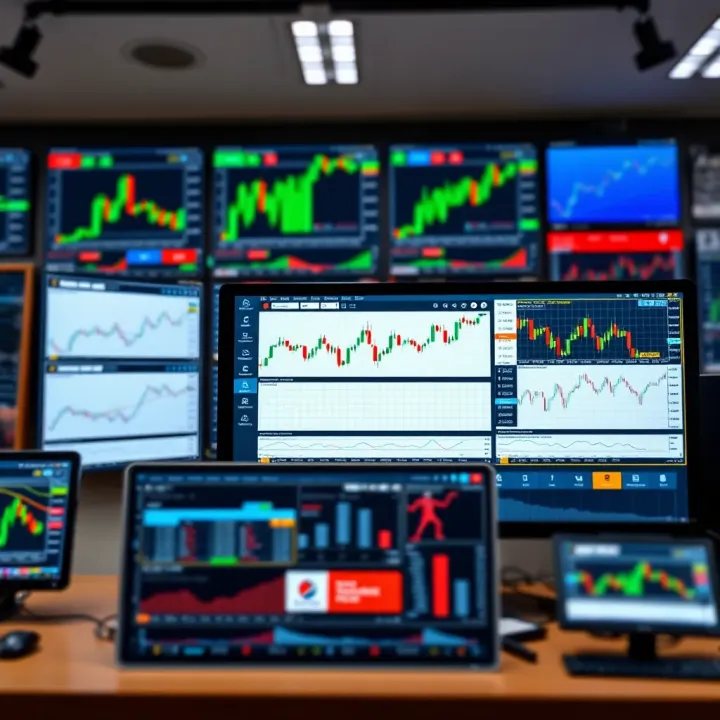
Discover how platform trading works in South Africa 🇿🇦, explore key features, risks, regulations, and tips to pick the best trading platform for your needs 📊
💰 Learn about Olymp Trade's minimum deposit requirements for South African traders. Find account types, payment methods, and tips for smooth deposits and risk management.
Based on 11 reviews