

How to Trade Cryptocurrency in South Africa
Learn how to trade cryptocurrency safely in South Africa 🇿🇦. From setting up wallets to analysing markets and local rules, get practical steps and tips for success.
Edited By
James Carleton
South Africa's beverage market is fiercely competitive, with Coca-Cola sitting at the top but never far from challengers eyeing a greater share. Looking beyond the classic fizzy drinks, the rivalry spans bottled water, energy drinks, and health-conscious beverages, which are all catching the consumer's eye.
Why competitors matter here: Coca-Cola isn't just battling other fizzy drink makers. Brands must navigate local preferences, regulatory hurdles like sugar taxes, and the persistent challenge of loadshedding's effect on supply chains. Investors and analysts tracking Coca-Cola must keep an eye on these influences shaping the competitive landscape.
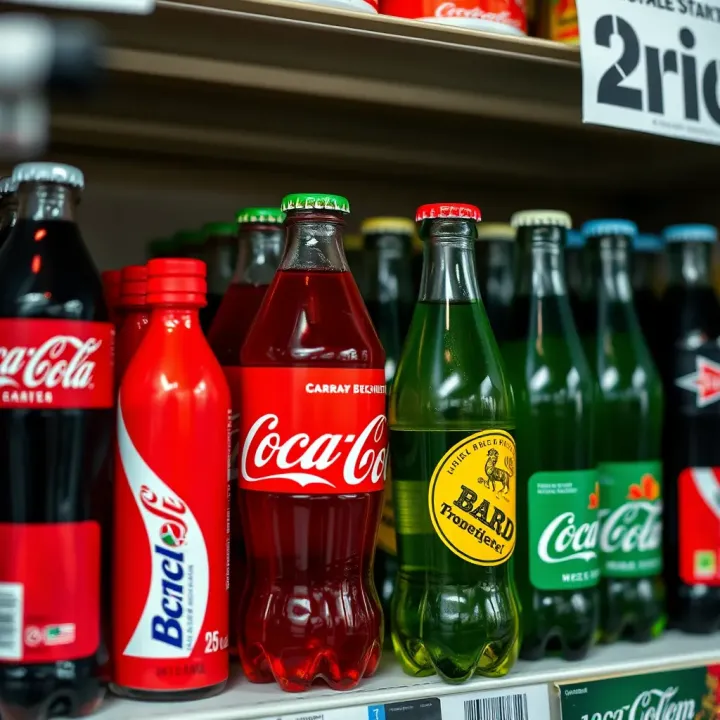
Consider this:
South Africa’s sugar tax, introduced to curb obesity, has pushed consumers away from sugary sodas, benefiting low-calorie and no-sugar brands.
Loadshedding disrupts production cycles, affecting smaller players more but also driving innovation, like on-site solar solutions for bottling plants.
Globally, giants like PepsiCo remain top contenders, but locally, brands like Clover and even upstarts in the health drink space are gaining ground. For instance, sparkling water and kombucha have seen steady uptake among younger consumers concerned with health and wellness.
Understanding Coca-Cola's competitors means seeing beyond just the soda aisle — a savvy investor or trader must weigh how local trends and global shifts influence market shares and growth opportunities.
In the sections ahead, we'll explore:
Direct rivals in carbonated soft drinks in South Africa and international markets.
Bottled water brands carving their niche, including South African favourites.
Health-focused beverages capturing emerging consumer interest.
This paints a clear, data-backed picture for anyone needing to gauge Coca-Cola's position and future prospects, both in Mzansi and abroad.
Understanding Coca-Cola's main competitors worldwide is essential for traders and investors assessing market dynamics. These rivals shape pricing, marketing strategies, and innovation in the beverage sector. Their actions influence Coca-Cola’s market share both abroad and in localized settings like South Africa.
PepsiCo stands as Coca-Cola's most direct global rival, with a presence that stretches across more than 200 countries, closely matching Coca-Cola’s footprint. While Coca-Cola often leads in carbonated beverages, PepsiCo's diversified portfolio — from snacks to beverages — allows the company to balance risks and capitalise on different market segments. This broader exposure impacts Coca-Cola’s strategies, especially in emerging economies and middle-income countries where consumer preferences are rapidly evolving.
Several PepsiCo products compete head-to-head with Coca-Cola's offerings. For example, Pepsi's flagship cola directly challenges Coca-Cola Classic, particularly in markets where brand loyalty shifts according to price or promotional campaigns. Beyond colas, products such as Mountain Dew and Gatorade carve out significant shares in niche categories like energy and sports drinks—a sector where Coca-Cola is also attempting to widen its reach through brands like Powerade. This competition forces both companies to innovate quickly and diversify their offerings to retain or grow their consumer base.
While competitors external to Coca-Cola play a major role, internal competition amongst Coca-Cola’s own diverse brands also deserves attention. Coca-Cola runs a variety of products — from Sprite and Fanta to its healthier options like DASANI water and Minute Maid juices. These brands sometimes overlap in target markets and consumer segments, providing the company with multiple strongholds in various beverage categories. This internal diversity allows Coca-Cola to tailor its approach in different regions and consumer groups, reducing reliance on one product line.
Coca-Cola’s response to external competition often involves leveraging its brand portfolio strategically. For instance, in response to the growing demand for healthier beverages and to counteract rivals like PepsiCo's Gatorade or Red Bull's energy drinks, Coca-Cola has expanded its range to include low-sugar and functional drinks. This shift shows that the company is not only defending its turf in carbonated soft drinks but also acknowledging changing consumer preferences. This adaptation is vital for maintaining market relevance in South Africa and globally.
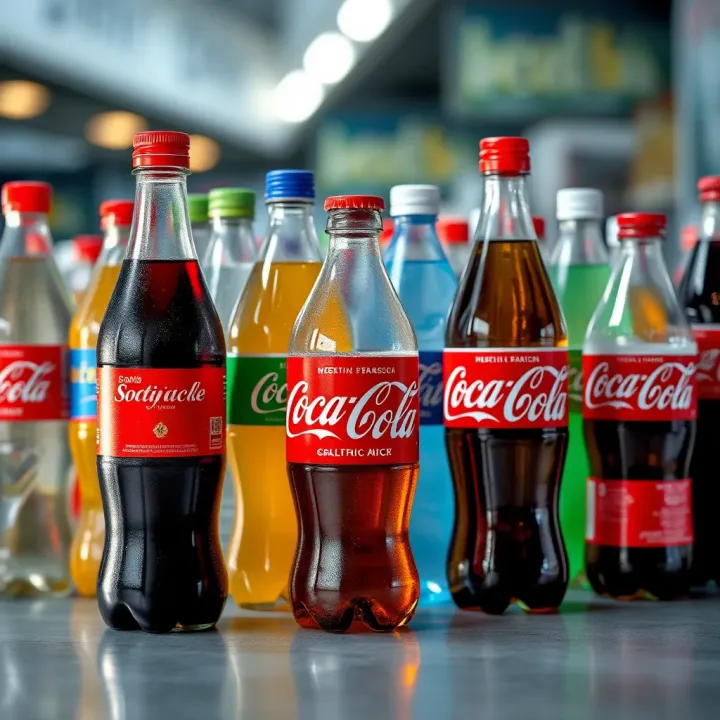
A nuanced view of these rivalries reveals why investors must monitor both direct competitors and the internal brand strategies that Coca-Cola employs to stay ahead.
Overall, grasping the roles of global players like PepsiCo and Coca-Cola’s own brand strategies offers valuable insight into how the soft drink market is evolving. This understanding can guide well-informed decisions related to trading or investing in the beverage sector.
Global players beyond the traditional soda giants have secured important footholds in the beverage industry. These companies often approach the market with different product lines, shifting consumer focus and reshaping competition for brands like Coca-Cola. Their influence highlights evolving preferences and the expanding variety within the beverage sector.
Nestlé commands a strong position in water and coffee, both significant in South Africa's diverse drinks market. Their bottled water brands, such as Nestlé Pure Life and Perrier, cater to consumers increasingly mindful of hydration and purity, often seen as healthier alternatives to sugary sodas. Coffee products like Nescafé remain prevalent in homes and workplaces, providing a caffeine fix that differs from the fizzy drink experience.
Against carbonated drinks, Nestlé positions itself on health and lifestyle grounds. With growing concerns over sugar intake, consumers are turning to water and coffee for natural refreshment. While carbonated beverages still dominate, non-carbonated options from Nestlé offer a practical alternative that appeals especially to adults and health-focused buyers. Brands under its umbrella capitalise on convenience and premium branding, carving out a niche that can erode market share from traditional soft drinks.
Energy drinks like Red Bull represent a growing beverage category offering an alternative with a functional edge—providing energy boosts rather than just refreshment. This appeals primarily to younger adults and professionals seeking performance enhancement during long workdays or social events. The marketing emphasis on active, dynamic lifestyles positions Red Bull as more than just a drink, but a lifestyle choice competing indirectly with sodas.
In South Africa, Red Bull has seen increasing uptake, reflecting global growth trends. The energy drink sector has expanded sharply over the past decade, with consumers drawn to innovative flavours and effect-driven branding. Globally, reports show double-digit growth rates for energy drinks, while traditional carbonated soft drinks face stagnation or decline. This makes Red Bull and similar brands key competitors not just in South Africa, but worldwide, prompting companies like Coca-Cola to invest heavily in their own energy drink portfolios to stay relevant.
As these global players adapt to shifting tastes, Coca-Cola faces pressure to diversify beyond its carbonated core, emphasising both health-oriented and functional beverage lines to maintain market strength.
Nestlé's focus on non-carbonated hydration and coffee offers practical diversification for consumers cutting down on sugar.
Red Bull taps into energy and lifestyle trends, carving out a steadily growing niche in South Africa’s beverage market.
Both illustrate how global companies reshape competition by addressing different consumer needs beyond soda.
South Africa's beverage landscape features notable local competitors that challenge Coca-Cola's dominance on both national and regional scales. These homegrown brands understand South African consumer tastes in a way multinational giants often miss. For investors and analysts, grasping these local dynamics is crucial since they shape market share distribution and signal emerging trends within the country's unique environment where affordability, flavour preferences, and accessibility weigh heavily.
Brands like Spar and Lays have carved out strong positions by offering affordable, accessible soft drinks that appeal to a wide demographic. These drinks are often sold in Spar supermarkets and local dealer stores, where price sensitivity is a bigger factor than in urban centres serviced mainly by multinational products. For instance, Spar’s in-house soft drinks target consumers seeking an economical alternative without sacrificing South African-flavoured variants tailored to regional tastes.
This grassroots approach allows local brands to hold sway in townships and smaller towns where price and availability trump brand loyalty. While these drinks do not match Coca-Cola's global scale or marketing budgets, their penetration into local consoles and spaza shops ensures they remain meaningful competitors within South Africa’s diverse retail channels.
Local beverage producers often operate on a smaller scale but enjoy agility in responding swiftly to shifting consumer preferences. Many focus on traditional flavours popular among South Africans, such as cream soda, grape, or pineapple variants that resonate well in non-metropolitan areas.
Furthermore, these producers' reliance on regional supply chains helps reduce costs and ensures availability during periods of supply disruption – something just as pertinent given recent logistical frailties seen in parts of South Africa’s retail system. This local knowledge underscores their competitive edge and should not be underestimated when assessing this market.
South Africa has seen a marked rise in health-conscious brands offering functional beverages, kombucha, natural fruit juices, and low-sugar or sugar-free drinks. These products appeal to consumers increasingly aware of health impacts linked to sugary sodas. Brands like Nuri Drinks and BMS Healthy Beverages have gained traction for combining wellness with indigenous ingredients such as baobab and rooibos.
The growth of this sector reflects broader global shifts but adapts to local tastes and traditions, signalling a sizeable opportunity for investors focused on sustainability and lifestyle trends. Notably, these brands often embrace eco-friendly packaging, aligning with heightened environmental awareness among South African consumers.
Consumer preferences in South Africa are evolving towards cleaner labels, transparent ingredient lists, and ethical sourcing. There is a definite pivot away from sugary carbonated drinks driven partly by the sugar tax implemented nationally. This policy intervention has nudged consumers towards water, sparkling water, and natural alternatives, squeezing traditional soda players.
Moreover, the urban middle class, especially in cities like Johannesburg, Cape Town, and Durban, show a growing demand for convenient, healthful beverages at competitive price points. Companies that accurately gauge and adapt to these trends gain advantages in both shelf space and consumer loyalty.
Understanding these local market shifts, from mainstream inexpensive brands to niche health-focused products, gives traders and investors a fuller picture of South Africa’s competitive beverage sector, beyond just headline global giants.
Consumer tastes and shifting trends directly influence the competitive landscape of the beverage industry in South Africa and beyond. Brands like Coca-Cola must keep a close eye on these changes to stay relevant and maintain market share. Preferences around health, environmental concerns, and government regulations are reshaping demand patterns and forcing both local and international companies to rethink their product offerings and marketing strategies.
Declining soda consumption patterns: Over recent years, South African consumers have gradually moved away from traditional sugary sodas. This shift results from growing awareness of health issues related to excessive sugar intake, such as diabetes and obesity, which are significant public health concerns locally. For example, surveys show a drop in the volume of cola drinks sold in urban areas, replaced by bottled water or unsweetened beverages. This trend affects Coca-Cola's core carbonated products directly, opening opportunities for competitors with alternatives targeting health-conscious consumers.
Rise of functional and low-sugar drinks: To address the falling demand for sugary sodas, many beverage companies now offer functional drinks—those that provide additional benefits like vitamins, electrolytes, or energy boosts. Brands such as Oros and Liqui-Fruit have introduced low-sugar juice blends, while some international players promote vitamin-infused waters or kombucha. These products respond well to health-conscious buyer segments, particularly among young adults and families. The practical relevance here is clear: companies diversifying into functional beverages may capture market share that traditional soda brands are losing.
Packaging laws and recycling initiatives: South Africa’s mandatory plastic bag levy and increasing pressure to manage packaging waste are prompting beverage companies to rethink packaging materials. The industry is seeing a rise in the use of recyclable PET bottles and efforts to boost bottle return schemes, especially in metropolitan hubs like Johannesburg and Cape Town. These changes can raise operational costs but also present a chance for brands to demonstrate environmental responsibility, which resonates with eco-aware consumers. Competitors who adapt swiftly to these regulations tend to strengthen their brand image.
Sugar taxes and their impact on sales: The Health Promotion Levy, commonly called the sugar tax, introduced by the South African government, imposes a charge on sugary beverages above a set sugar content. This measure has led to a clear dip in sugary drink sales, encouraging companies to reformulate products with less sugar or introduce alternative sweeteners. The tax’s real impact is seen in price-sensitive segments of the market, where consumers switch to cheaper, low-sugar options or natural drinks. For Coca-Cola and rivals alike, this emphasises the importance of product innovation and pricing strategies that align with regulatory environments and consumer affordability.
Understanding shifting consumer preferences and regulatory factors is vital for investors and traders monitoring South Africa’s beverage market. Companies that anticipate and respond to these trends can maintain strong footing, even as traditional segments like sugary sodas contract.
Effective strategising around these evolving preferences and regulations lays the groundwork for beating competition and sustaining growth in an ever-changing market.
Learn how to trade cryptocurrency safely in South Africa 🇿🇦. From setting up wallets to analysing markets and local rules, get practical steps and tips for success.

Discover how South African farmers use goats as trade capital 🐐, supporting local economies with livestock barter. Learn benefits, challenges & cultural roots.
💸 Learn about Luno's minimum deposit for South Africans, payment methods, fees, and tips for smooth deposits to start trading crypto quickly and safely.

📊 Understand derivatives: types, market roles, risk management & investment tactics. Key insights for navigating South Africa's financial landscape with confidence.
Based on 10 reviews