

Understanding Signal Trading for South African Traders
📈 Learn how signal trading works and its practical use for South African traders. Explore types, access methods, risks, and smart tips to enhance your strategy.
Edited By
Charlotte Hill
Meta trading has become a vital tool for traders looking to navigate the complexities of financial markets. In South Africa, where market conditions can be unpredictable and impacted by factors like loadshedding, currency fluctuations, and regulatory changes, using a reliable meta trading platform can offer a significant edge.
At its core, meta trading involves utilising specialised software to analyse market data, execute trades instantly, and automate trading strategies. Popular platforms such as MetaTrader 4 (MT4) and MetaTrader 5 (MT5) are widely used for their flexibility and access to various financial instruments, including forex, commodities, and indices.
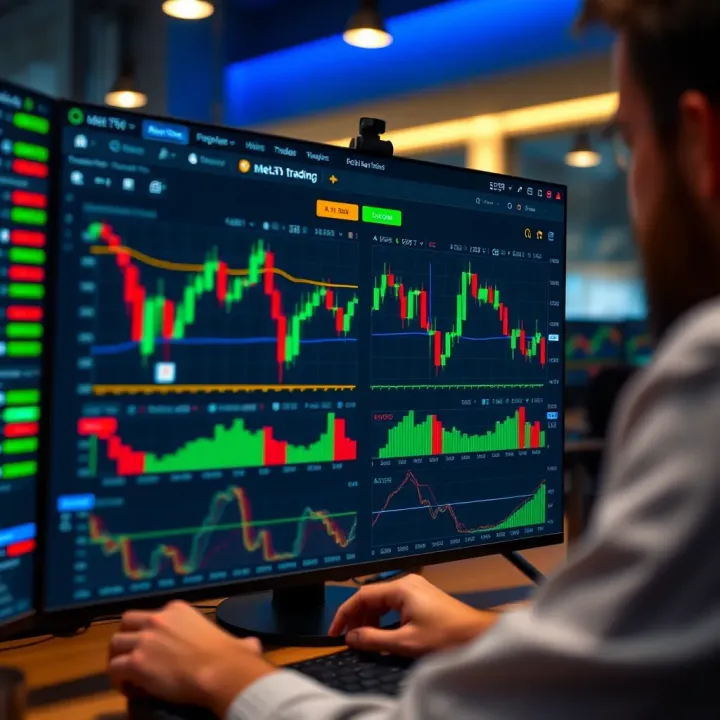
For South African traders, picking the right platform means considering several key aspects:
Broker compatibility: Ensure the platform supports local brokers regulated by the Financial Sector Conduct Authority (FSCA).
Local payment options: Look for ease of depositing and withdrawing funds in Rand, preferably through EFT or local payment gateways.
Automation tools: The ability to automate strategies through Expert Advisors (EAs) can help maintain discipline and react faster during volatile periods.
Automation reduces emotional trading, which is particularly useful when unexpected events like Eskom’s power cuts disrupt the markets.
Understanding how to apply practical trading strategies on these platforms can improve your results. Many traders start with simple approaches such as trend following or breakout trading before exploring more advanced techniques like scalping or algorithmic trading.
Moreover, South African market peculiarities such as currency volatility (ZAR fluctuations) and economic events (elections, SARB interest rate decisions) should shape your trading approach. Incorporating local news feeds or economic calendars into your meta trading setup can help anticipate these movements.
By getting familiar with these fundamentals, you can select and tailor a meta trading platform that fits your trading goals while navigating the unique challenges of the South African trading environment.
Meta trading refers to using specialised software platforms that allow traders to analyse markets, execute trades, and automate strategies efficiently. This matters because it brings advanced tools directly to traders' fingertips, whether they are individual retail investors or large institutions. In South Africa’s growing yet often volatile markets, having the right meta trading platform can be the difference between timely trade execution and missed opportunities.
Within South Africa, MetaTrader 4 (MT4) and MetaTrader 5 (MT5) dominate among retail traders and some brokers. These platforms provide a user-friendly gateway to Forex, CFDs, and commodities trading. Besides MetaTrader, some traders opt for cTrader or TradingView depending on their specific needs. Choosing a platform available locally and supported by brokers like IG or EasyEquities ensures smoother operations and better access to local market data.
Meta trading platforms bundle essential tools: real-time charts, technical indicators, and market news feeds. Their standout feature is the ability to run Expert Advisors (EAs), which are automated trading programmes. This enables users to set strategies that trade 24/7 without constant oversight. For example, a trader could set an EA to buy the USD/ZAR pair once technical conditions meet their criteria, reducing emotional trading errors common in manual approaches.
Traditional trading often involved direct calls to brokers or manual order placement, sometimes delayed by human processing. Meta trading platforms flip this by offering immediate market access through the internet with near-instant order execution, charting, and data visualisation. This speeds up decision-making and allows entry into markets at precise price points. For South African traders dealing with a volatile Rand and frequent news shifts, this means they can adapt faster than before.
Individual traders benefit by accessing sophisticated tools previously reserved for firms. Features like backtesting strategies within the platform help users refine methods before risking capital. Institutions use meta trading for high-speed algorithmic trades and managing multiple client portfolios simultaneously. The flexibility to customise dashboards and integrate external data means both groups can respond swiftly to market changes.
In essence, meta trading platforms level the playing field, offering both rookies and seasoned pros powerful tools to navigate the complexities of modern financial markets effectively.
This practical utility, combined with readily available platforms in South Africa, makes understanding meta trading essential for anyone serious about trading today.
Selecting the right meta trading software is a key step for any trader wanting to navigate South Africa’s financial markets effectively. The software you choose shapes your trading experience — from analysing market moves to placing trades swiftly. Picking a platform that fits your needs helps you trade better and manage risk more efficiently.
An intuitive user interface (UI) cuts out unnecessary hassle and speeds up your workflow. For example, new traders benefit from clean layouts that don’t bombard them with too many options initially. Local traders often prefer platforms where switching between charts, placing orders, and reading market news requires just a few clicks or taps on their devices. When the UI is cumbersome or cluttered, it’s easy to miss good trade opportunities or make mistakes, especially during volatile market conditions.
Your trading software should sync well with your devices — whether that’s a desktop at work, a laptop at home, or a mobile while on the go. South African traders, in particular, appreciate platforms offering smooth mobile experiences due to frequent commuting or trading during daily activities. Moreover, compatibility with brokers licensed in South Africa or those servicing the region is crucial. For instance, some brokers only support MetaTrader platforms, while others might favour specific bespoke software. Ensuring your platform links seamlessly with your broker avoids delays and technical glitches.
Charting tools are the bread and butter for technical traders. Powerful platforms offer advanced indicators such as RSI, MACD, Bollinger Bands, and customisable drawing tools for trendlines or Fibonacci retracements. These features aid in spotting entry and exit points with precision. A platform limited to basic tools can hold back your trading strategy. South African traders analysing the volatile Rand/ZAR pairs will benefit from platforms that allow enhancing charts with multiple indicators without affecting speed or usability.
MetaTrader 4 (MT4) remains the staple for forex and CFD traders locally and internationally. It is robust, lightweight, and widely supported by brokers across South Africa. Its straightforward interface suits both beginners and experienced traders who focus on currency pairs or commodities. MetaTrader 5 (MT5), the newer version, adds features such as more timeframes, additional order types, and expanded market coverage including stocks and futures, appealing to more advanced traders or those diversifying portfolios.
While MT4 and MT5 dominate, several alternative platforms cater to niche needs or local preferences. For instance, cTrader offers a modern interface and enhanced order execution speeds, preferred by traders focusing on tight spreads. TradingView, popular for its cloud-based charts and social features, complements traditional platforms by offering collaborative insights. South African brokers like IG and Plus500 provide their own user-friendly platforms tailored to local traders. The choice often comes down to specific trading style, asset classes, and the kind of support a broker offers locally.
Choosing meta trading software that fits your trading habits and local realities can save you time and money, improving your chances for success in the dynamic South African markets.
Trading strategies form the backbone of informed decisions within meta trading platforms. These strategies help traders to analyse market trends, time their trades, and manage risk efficiently. South African traders particularly benefit from these software tools because they can adapt strategies to local market conditions such as currency fluctuations, commodity price volatility, and economic announcements.
Indicators and oscillators provide crucial insights into market momentum and potential price reversals. Traders rely on popular tools like the Relative Strength Index (RSI), Moving Average Convergence Divergence (MACD), and Bollinger Bands, all commonly available on platforms like MetaTrader 4 and 5. For example, RSI helps identify overbought or oversold conditions, signalling when a currency pair like USD/ZAR might be due for a pullback.
These tools allow traders to quantify market behaviour rather than relying on guesswork. They simplify complex charts, making patterns easier to spot and decisions more data-driven. Such indicators are especially useful when trading more volatile assets common in South Africa, like gold or platinum futures.
Drawing tools like trend lines, support and resistance levels, and Fibonacci retracements aid traders in pinpointing precise entry and exit points. Recognising chart patterns such as head and shoulders or double tops can signal upcoming trend shifts. Meta trading platforms often automate pattern recognition, highlighting formations that might be missed otherwise.
For instance, a trader spotting a double bottom on the EUR/ZAR pair might anticipate a bullish reversal and place trades accordingly. These tools help reduce emotional trading by basing actions on clear, visual market signals. Local traders using such features can respond quicker to sudden moves, such as those caused by unexpected political announcements.
Expert Advisors (EAs) are programmable scripts that automate trading strategies. They monitor the markets 24/7, executing trades based on preset criteria without human intervention. Traders program or download EAs tailored to specific methods, such as trend-following or breakout trading.
This automation lets users trade even when they’re away from their screens. For example, a South African trader using an EA can maintain positions during offshore market hours without manual oversight. This consistent monitoring helps capture opportunities that might arise outside normal work hours.
Automation reduces human errors caused by fatigue or emotional impulses, offering more disciplined current trades. It also enables rapid responses to market changes, critical in fast-moving environments.
However, reliance on EAs comes with risks: market conditions can change unexpectedly, rendering a programmed strategy ineffective. For instance, during periods of extreme volatility linked to Eskom-related disruptions, an EA might trigger multiple stop-losses. Over-optimising strategies can also lead to poor performance outside historical data samples. Hence, traders must regularly monitor and adjust their EAs rather than setting and forgetting.
Using meta trading strategies, South African traders gain an edge by blending manual analysis with powerful automated tools. This balance helps navigate local market nuances without losing sight of global trends.
South African traders face unique challenges and opportunities when using meta trading platforms, making practical tips essential for success. Tailoring your trading approach to local market conditions and regulatory requirements ensures you stay competitive and compliant.
In South Africa, certain currency pairs and assets attract more attention due to their economic relevance. The most traded currency pair is USD/ZAR (US dollar/South African rand), reflecting the rand's volatility and its role in imports and exports. Other popular pairs include EUR/ZAR and GBP/ZAR. Local equities listed on the Johannesburg Stock Exchange (JSE) also feature heavily, especially shares in sectors like mining, banking, and telecommunications.
Focusing on these commonly traded pairs and assets lets you make better use of the market's liquidity, reducing spreads and improving trade execution. For instance, trading the USD/ZAR pair during South African business hours can give you clearer insight into movements driven by local economic news or central bank announcements.
Adjusting strategies to reflect South Africa's economic environment proves equally important. The country’s exposure to commodities, political developments, and Eskom's loadshedding stages can cause sudden price swings. Traders should keep an eye on factors like interest rate decisions by the South African Reserve Bank (SARB), inflation data, and shifts in commodity prices such as platinum or gold.
You might, for example, reduce leverage or tighten stop-loss levels around periods of expected volatility, like fiscal budget announcements or municipal elections. Incorporating an economic calendar focused on South African events helps in timing trades more accurately.
Understanding the regulatory landscape in South Africa is pivotal to avoid penalties and protect your investments. The Financial Sector Conduct Authority (FSCA) regulates financial services providers, ensuring they comply with strict licensing and conduct codes. When choosing a broker or platform, check their FSCA registration to avoid scams or unregulated entities.
Compliance also ties into data protection laws like the Protection of Personal Information Act (POPIA), ensuring your personal and financial information is handled responsibly. Using FCA (Financial Conduct Authority, UK) or FSCA-regulated brokers adds an extra layer of security.
Effective risk management is key when trading any financial product, and even more so in volatile markets like South Africa's. Setting clear limits on exposure, using stop-loss and take-profit orders, and diversifying trades help contain losses. It's wise to avoid high leverage unless you fully understand the risks and have experience.
Besides, keep a trading journal to review past decisions, spotting patterns that either lend strength or expose weaknesses in your strategy. Consistent risk management combined with meta trading's automation tools—like Expert Advisors—can smoothen your trading experience and minimise emotional decision-making.
Remember: Trading in South Africa’s fast-moving markets requires staying informed, being cautious with risk, and choosing regulated platforms to safeguard both your capital and compliance.
📈 Learn how signal trading works and its practical use for South African traders. Explore types, access methods, risks, and smart tips to enhance your strategy.
Discover how platform trading works in South Africa 🇿🇦, explore key features, risks, regulations, and tips to pick the best trading platform for your needs 📊

🔐 Learn how to log in securely to FX trading platforms in South Africa, tackle common issues, and keep your account safe while trading on local markets with ease.
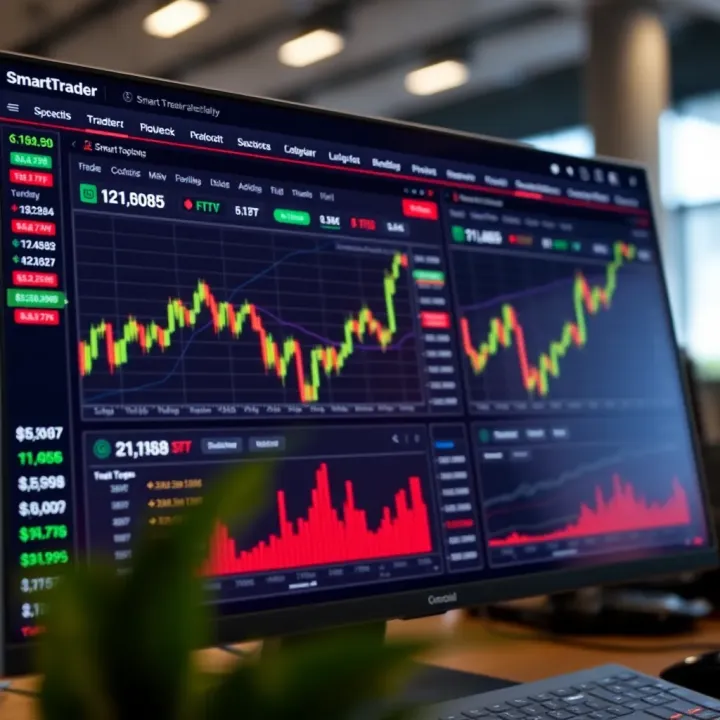
📊 Explore SmartTrader for South African traders: deep dive into features, account types, fees, security, customer support & expert tips for success!
Based on 13 reviews