

Peer-to-Peer Trading Explained: A Practical Guide
Explore peer-to-peer trading in South Africa 🔄 Learn how it works, its risks, benefits, and tips to trade safely in this growing market.
Edited By
Sophie Mitchell
Mobile trading apps have reshaped how South Africans engage with financial markets. Instead of needing a desktop or visiting a broker’s office, anyone with a smartphone can buy and sell shares, trade forex, or invest in ETFs at their convenience.
These apps put real-time market data, order placement, and portfolio tracking into your pocket. For example, platforms like EasyEquities and IG allow users to trade JSE-listed shares alongside international assets without hefty fees. This accessibility has lowered barriers for smaller investors keen to build wealth or hedge against inflation.
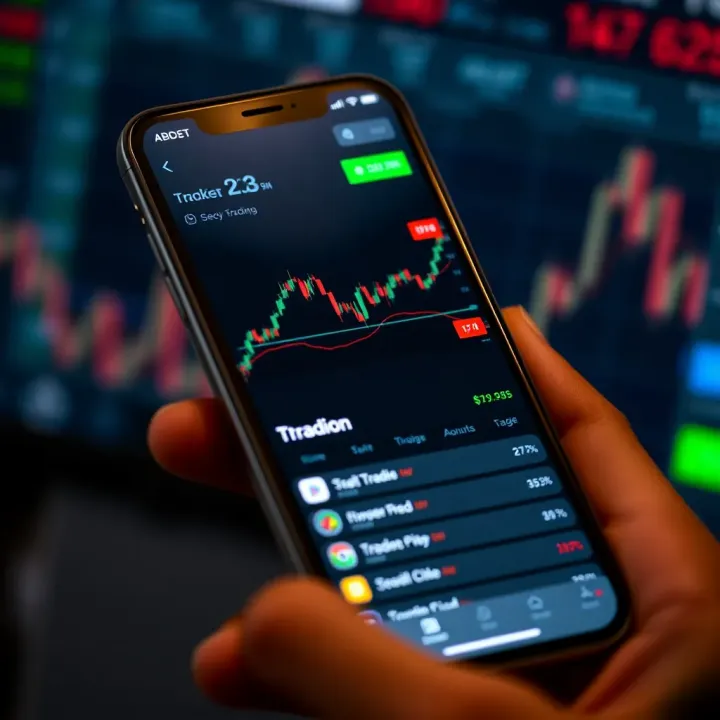
But mobile trading isn’t just about convenience. It’s about tapping into flexible opportunities amid South Africa’s economic ups and downs. Traders can react instantly to market shifts, whether it’s a sudden SARB repo rate decision or unexpected Eskom loadshedding announcements affecting listed utilities.
User-friendly interfaces: Designed to simplify the trading process for beginners and pros alike.
Instant notifications: Alerts for price movements, news updates, and trade confirmations.
Integrated research tools: Charts, technical indicators, and company fundamentals accessible within the app.
Secure login methods: Two-factor authentication or biometric access to safeguard accounts.
Mobile trading apps empower individuals to participate actively in financial markets without needing deep technical know-how or big capital.
That said, these platforms carry risks—the same ease of trading can tempt impulsive decisions or expose users to scams. Understanding the local market, regulatory requirements like FICA (Financial Intelligence Centre Act) compliance, and practicing sound risk management are essential.
In the sections that follow, we’ll explore how to choose the right app, navigate regulatory considerations, and optimise your trading strategy tailored to South African conditions. Trading on the go is powerful, but it must be handled wisely to serve your financial goals effectively.
Mobile trading apps have become essential tools for South African investors aiming to tap into local and global financial markets efficiently. These apps bring the stock exchange and other asset classes right into your pocket, making it possible to monitor and manage investments without being tied to a desktop or broker’s office. In a country where internet access is growing but sometimes patchy outside cities, the ability to trade on mobile offers a clear edge.
One of the most useful features of trading apps is providing real-time updates on market prices. This means you can track the Johannesburg Stock Exchange (JSE) or forex rates without delay, which is crucial when markets move fast. For example, if the Rand unexpectedly weakens, having a price alert can prompt you to modify your trades before losses mount. Mobile apps also allow custom notifications for price thresholds, helping you stay ahead even during busy workdays.
These apps offer seamless access to your investment portfolio, letting you check your holdings and performance on the fly. Executing trades directly through the app means you don't miss market opportunities due to slow phone calls to brokers or paperwork. South African investors can buy or sell shares, ETFs, or forex pairs with a few taps—critical when load-shedding hits or during unexpected market swings.
For investors who use charts and indicators to time entries and exits, many apps provide a suite of technical analysis tools. This includes familiar features like moving averages, RSI (Relative Strength Index), and candlestick charts. Having these tools in your pocket removes the need for separate software, and it helps make smarter decisions quickly. Even casual traders can see patterns forming while waiting in a taxi or during a quick coffee break at a local café.
The convenience of trading through mobile apps is unmatched. Whether commuting in a taxi through Johannesburg or relaxing at home in a Durban stoep, you can place trades, monitor news, and execute strategies. This flexibility suits South African lifestyles, where many juggle irregular work hours, and market happenings don’t wait for business hours.
Many apps on the local market have focused on creating interfaces that are easy to navigate, even for beginners. Clear menus, straightforward language, and quick access to main functions reduce the intimidation factor. For instance, apps like EasyEquities simplify the trading experience by breaking down jargon and giving users handy tutorials in-app. This lowers the barrier for new investors eager to get on board without feeling overwhelmed.
Ultimately, mobile trading apps give South Africans a practical way to actively manage investments while on the move, balancing access with simplicity and powerful tools.
This blend of core functions and user-friendly design is why mobile trading is gaining momentum. It makes managing money more accessible and responsive, matching the pace of today’s markets and the realities of South African life.
Mobile trading apps have made investing more accessible in South Africa, but it’s essential to weigh both the benefits and the challenges these platforms bring. For local traders and investors, understanding what works well and what might cause headaches helps in making smarter choices.
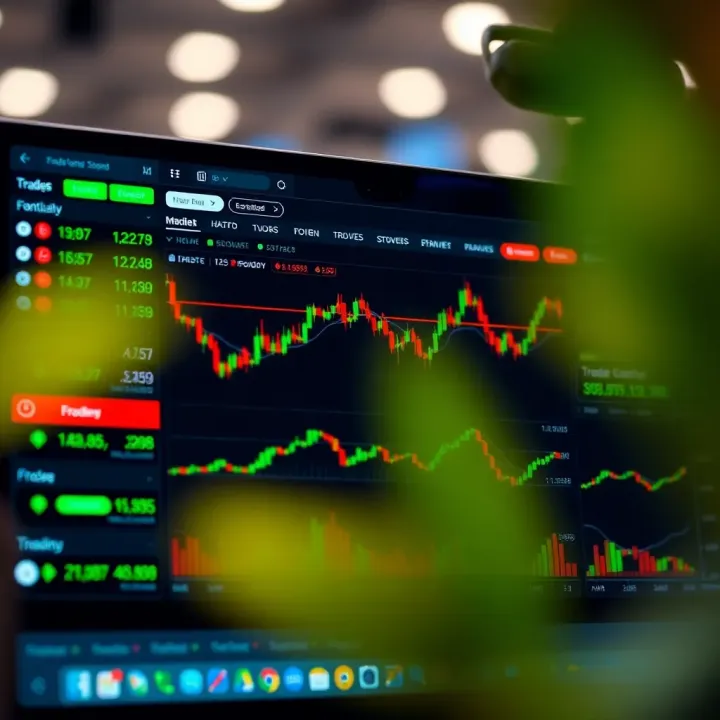
One of the biggest draws of mobile trading apps here is the ability to buy and sell on the Johannesburg Stock Exchange (JSE) as well as tap into international markets. This is particularly useful for investors wanting to diversify beyond local stocks without the fuss of multiple accounts or platforms. For example, EasyEquities caters very well to South African users, offering access to US and European shares alongside JSE-listed companies. This dual access gives everyday investors a chance to spread risk and chase opportunities that aren't tied solely to South Africa’s economic swings.
Using mobile apps often means lower fees than traditional stockbrokers, which is a real bonus in a market where costs can eat into returns quickly. Many of these apps operate with zero or minimal trading fees for certain transactions, which encourages more frequent, smaller trades – something that was often too expensive for casual investors before. For instance, platforms like EasyEquities charge straightforward, low fees and don’t require a high minimum investment, allowing people to get their foot in the door without large upfront costs.
Mobile apps generally offer more than just shares. Many support assets like exchange-traded funds (ETFs), forex, commodities, and even cryptocurrencies. This broad range benefits South African investors who want to build balanced portfolios directly from their phones. Having all asset classes on one app means less hassle switching platforms and better control of investment strategies.
Security is a big deal when it comes to trading apps. South African users need to be cautious with apps that handle sensitive personal information and money. Phishing scams and data breaches can lead to identity theft or financial loss. Trustworthy apps usually have strong encryption, two-factor authentication (2FA), and clear privacy policies. Users should also avoid public Wi-Fi when trading and never share login details.
Always treat your trading app credentials like the key to your house – keep them safe and private.
South Africa’s internet can be patchy in some areas, and loadshedding sometimes disrupts connectivity, which can be a real problem when trying to execute timely trades. A dropped connection at the wrong moment could mean missed opportunities or unintended trades. Traders should test their network stability and, if needed, keep backup options like mobile data or offline plans in place. Some apps also allow saving trades offline to be executed once reconnected.
Fees can be confusing and vary widely between apps. Besides basic trading fees, there may be charges for withdrawals, currency conversion for international trades, or inactivity fees. South African users must get familiar with the full fee schedule of any app to avoid surprises. For example, converting Rand to US dollars in international trading often involves spreads or conversion fees that add up. Knowing how these work helps traders manage costs effectively and ensures that profits aren’t swallowed by unnecessary charges.
Mobile trading apps bring a lot of value to South African investors but come with considerations unique to the local context. Understanding these benefits and challenges helps users adopt a trading approach that’s safe, cost-effective, and tailored to their needs.
Selecting the right mobile trading app makes a significant difference to your investing experience. With so many options available, each with different features, fees, and market access, picking one that fits your needs can save you time, money, and hassle. For South African traders, this choice affects access to local and international markets, regulatory protection, and how easily you can manage trades while on the move.
It's vital that your trading app complies with South African laws and holds valid licences. An app authorised by the Financial Sector Conduct Authority (FSCA) or registered with reputable international bodies offers a level of safety for your funds. Without proper licensing, you risk scams or poor oversight. For instance, EasyEquities is FSCA-registered, giving local traders confidence in regulatory protection and recourse should issues arise.
Fees can eat into your profits if you aren’t careful. Look closely at how an app charges for trades – some have flat rates, others use percentages or spread markups. EasyEquities, for example, charges low flat fees favourable to casual investors, while IG offers commission-free trades for certain products but includes spreads on forex pairs. Understanding these costs upfront helps you avoid surprises and work out which app offers better value for your trading style.
Choose an app that supports the assets you want to trade, whether shares listed on the Johannesburg Stock Exchange (JSE), forex, or global equities. Apps vary widely here. IG covers a broad range of international markets, perfect if you want exposure outside South Africa, while EasyEquities focuses on JSE shares and selected US stocks. Features like charting tools, technical indicators, and price alerts also matter, especially if you prefer to analyse and make swift decisions while on the move.
Good customer service saves headaches, especially if you run into issues with deposits or trades. Check if the app offers quick, local support, ideally via phone or chat during South African business hours. Additionally, access to educational content like tutorials or webinars can help you sharpen your trading knowledge and make more informed decisions — useful for both beginners and seasoned traders.
EasyEquities, IG, and Plus500 are among the top options locals use. EasyEquities stands out for low-cost entry and simple access to local and a handful of international shares. IG caters more to active traders seeking advanced functionality and diverse markets including forex and CFDs (contracts for difference). Plus500 is known for a straightforward platform focused on CFDs with tight spreads, appealing to those comfortable with leveraged instruments.
Each app has its quirks. EasyEquities is beginner-friendly but offers limited advanced trading tools. IG provides a comprehensive trading experience but comes with higher complexity and occasional higher fees. Plus500 is accessible but primarily suits traders who understand riskier CFD products. Evaluating user reviews and trying demo accounts can clarify which app aligns with your trading goals and comfort level.
Choosing the right app requires balancing costs, features, and regulatory security. It’s not always about the cheapest or flashiest app, but what fits your personal trading approach and keeps your investments safe.
In summary, weigh these practical factors carefully before committing. Your trading app should serve as a tool to effectively manage your portfolio in South Africa's unique market environment, not a source of frustration or unexpected costs.
Mobile trading offers South Africans the chance to participate in financial markets with ease, but getting started requires understanding a few local nuances. This section lays out the practical steps involved in opening an account, meeting compliance requirements, and adopting sound trading habits. Starting off correctly can save hassles later, especially with regulatory rules and protecting your capital.
Before you can put your money to work, you need to open an account with a mobile trading platform approved for South African users. Identification is essential due to the Regulation of Interception of Communications and Provision of Communication-Related Information Act (RICA). This law requires platforms to verify your identity to prevent fraud and money laundering. Practically, this means submitting a clear copy of your South African ID, proof of residence, and sometimes a recent utility bill during sign-up.
Funding your trading account locally is straightforward but must fit South African banking practices. Most trading apps accept electronic funds transfers (EFT), a common and secure method allowing direct bank-to-bank payments. Some platforms also allow credit or debit card payments, though fees and limits may apply. For example, if you use an EFT from your FNB account, funds usually reflect within two working days. This localised funding process suits South African traders who want a seamless experience from deposit to trade.
Starting with small amounts is wise for beginners. Rather than committing a large lump sum, begin by investing pocket-change to understand market behaviour. For instance, purchasing shares worth R500 with EasyEquities enables you to see how share prices move without risking too much. This cautious approach lets you learn and adjust strategies while limiting potential losses.
Mobile trading apps come equipped with useful tools and indicators that help with decision-making. Popular features include moving average lines to spot trends, RSI (Relative Strength Index) to measure overbought or oversold conditions, and volume charts to assess trading activity. Learning how to use these can improve timing and reduce guesswork. If you catch a downtrend early thanks to an RSI signal, you can avoid unnecessary losses or enter cheaply.
Risk management is paramount for sustained success. Simple techniques such as setting stop-loss orders prevent your losses from spiralling when markets turn sour. For example, if you buy a share at R50, placing a stop loss at R45 means the app will automatically sell if it dips, protecting your capital. Diversifying your portfolio across sectors and asset classes offered on platforms like IG can also reduce risk, as poor performance in one area may be balanced by gains elsewhere.
Remember, the easiest way to lose money is by rushing without a clear risk plan. Take your time, use your app’s tools wisely, and never invest more than you can afford to lose.
Getting started well means meeting South African regulatory hurdles efficiently and adopting disciplined trading habits. With the right preparation, mobile trading can become a valuable way to grow your money conveniently.
Trading on mobile platforms brings great convenience, but it also opens the door to security risks and compliance issues, especially within the South African context. With increasing smartphone usage and internet penetration, traders must safeguard their accounts and stay on the right side of tax regulations to avoid financial and legal headaches.
Using strong passwords and two-factor authentication (2FA) is a fundamental defence against unauthorised access to your trading accounts. Strong passwords combine upper and lower-case letters, numbers, and symbols, making them harder to guess. For instance, instead of a simple password like “Investor123,” a more secure option would be “Tr@d3rMzw1@20!” which makes cracking attempts much tougher. Most reputable trading apps like EasyEquities and IG offer 2FA—it adds a second step to login, usually via a code sent to your mobile or generated by an authenticator app. This means even if someone steals your password, they still can't log in without that second factor.
Recognising phishing and scams is equally important. Phishing typically comes in the form of fake emails or messages pretending to be from your trading platform or bank. These often urge urgent action, like confirming your password or providing your ID number. For example, a scam email claiming your EasyEquities account has suspicious activity might lure you into clicking a fraudulent link. The key signals to watch: suspicious sender addresses, poor spelling or grammar, and unsolicited requests for sensitive info. Always double-check URLs and never share your passwords or OTPs (One Time Passwords) with anyone, even if they claim to be from customer support.
SARS treats capital gains from mobile trading in shares, forex, or other assets as part of your taxable income. When you make a profit after selling shares, the gain falls under Capital Gains Tax (CGT), which is a portion of your income tax rate. For example, if you sell shares for a gain of R20,000 in a tax year, you must declare this on your tax return. The good news: SARS grants an annual exclusion amount (R40,000 for individuals in tax year 2024/25), so gains below this threshold are not taxed.
Keeping proper records is vital for complying with SARS requirements and for your own peace of mind. This includes saving trade confirmations, monthly statements from your broker, and deposit/withdrawal records. Most mobile trading apps provide downloadable transaction histories, but it’s wise to back these up regularly offline. Good record-keeping helps you accurately calculate taxable gains and avoids problems during tax audits or SARS queries. Remember that incomplete or incorrect information can lead to penalties or interest charges.
Staying secure and compliant isn’t just ticking boxes — it protects your investment and ensures you can enjoy the benefits of trading without unexpected setbacks.
By using strong security measures and understanding SARS’s stance on trading profits, you will trade with confidence and peace of mind on South Africa’s mobile platforms.
Explore peer-to-peer trading in South Africa 🔄 Learn how it works, its risks, benefits, and tips to trade safely in this growing market.

📊 Explore Quotex trading made simple! Learn how South African traders can set up accounts, use trading tools, manage risks, and weigh pros and cons before starting.

Explore Pocket Option's features, trading tips, risk management, payment options, and legal info tailored for South African traders 📈🇿🇦

🤖 Discover how robot trading apps work in South Africa, their pros and cons, regulatory tips, and how to pick a trustworthy platform for smarter investing.
Based on 6 reviews