

Peer-to-Peer Trading Explained: A Practical Guide
Explore peer-to-peer trading in South Africa 🔄 Learn how it works, its risks, benefits, and tips to trade safely in this growing market.
Edited By
Isabella Clarke
Contracts for Difference (CFDs) have gained traction among South African traders and investors seeking ways to participate in global markets without owning the underlying assets. Simply put, CFDs let you speculate on price movements of shares, indices, commodities, or currencies by entering into a contract with a broker. You don’t actually buy the asset but agree to exchange the difference in price between when you open and close the position.
This approach offers flexibility and access to a wide range of financial instruments, often with leverage that can magnify gains — and losses. For example, a trader might take a CFD position on the JSE Top 40 index expecting a rise, but if the market drops instead, the loss could be significant. Leverage can multiply profits but also increase risk, which is why understanding margin and stop-loss orders is key.
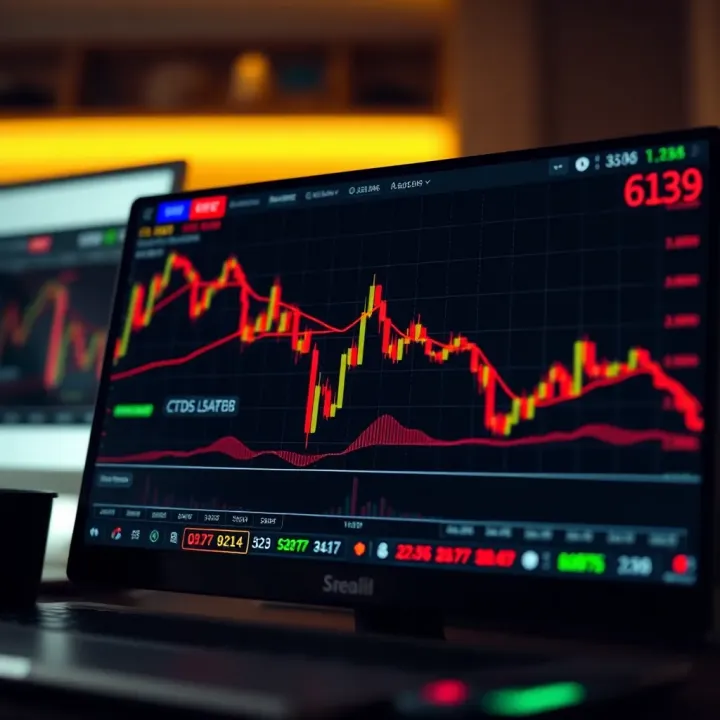
South Africa’s regulatory environment plays a vital role in CFDs trading. The Financial Sector Conduct Authority (FSCA) oversees brokers to protect investors from unfair practices. Not all brokers operating in South Africa are registered with the FSCA, so verifying credentials before committing funds is crucial. Also, regulatory rules often limit leverage to prevent excessive risk-taking, typical caps being around 1:10 for retail traders.
Traders must approach CFDs with caution, armed with knowledge about the products and the local regulatory landscape.
To start trading CFDs in South Africa, you'll need to open an account with an FSCA-licensed broker offering access to the types of instruments that suit your strategy. Many brokers provide demo accounts to practice before risking real money, which is a smart move before diving in.
Key takeaways for beginners:
CFDs allow speculation without owning the asset but involve high risk due to leverage
FSCA-regulated brokers are essential for safe trading in South Africa
Knowing margin requirements, fees, and how stop-loss orders work can save you from large losses
Practice with a demo account first to get familiar with the platform and trading mechanics
This guide will unpack these aspects further, hoping to give you practical insights tailored to South Africa’s trading realities and regulations.
Understanding Contracts for Difference (CFDs) is key to grasping how many modern traders in South Africa participate in financial markets. CFDs allow investors to speculate on price changes of various assets without owning them outright. This means you can access markets quickly and with relatively low starting capital, which is a practical benefit for those looking to trade efficiently under local conditions like high data costs and intermittent connectivity.
At its core, knowing what CFDs are and how they differ from traditional shares helps South African traders weigh their options wisely. For instance, CFDs offer flexibility in trading both rising and falling markets, which can be particularly handy during volatile times when the rand fluctuates sharply.
A Contract for Difference is essentially an agreement between a trader and a broker to exchange the difference in the value of an asset from the time the contract opens to when it closes. The trader doesn’t own the physical asset but gains or loses depending on the price movement. This setup lets you benefit from market moves without having to buy or sell the actual shares or commodities, lowering barriers that many face entering traditional markets.
Unlike buying shares on the JSE or other markets where you hold the stock directly, CFDs offer leveraged exposure. This leverage means you can open a position much larger than your initial deposit, magnifying both potential gains and losses. Moreover, CFDs let you easily short-sell — profiting when prices fall — which isn’t always straightforward with conventional shares. For South African traders, this opens up more opportunities, but also calls for caution due to increased risk.
Many CFD brokers offer contracts on local shares listed on the JSE, as well as international shares from the US, UK, and other markets. Indices such as the FTSE/JSE Top 40 index provide a way to speculate on the overall market’s direction without picking individual stocks. This is useful if you want to trade broader economic trends. For example, during periods of economic uncertainty in Gauteng or the Western Cape, shifting your CFD positions on indices can be quicker and less costly than buying up many individual shares.
CFDs also cover commodities like gold, platinum, and oil, all relevant to South African investors given the country’s mining and energy sectors. Trading these through CFDs provides exposure to global commodity price shifts without dealing with physical delivery. On the currency front, you can trade pairs including the South African rand against major currencies like the US dollar or euro. This is particularly handy when keeping an eye on SARB’s policy changes or geopolitical events affecting forex markets.
Many brokers now include cryptocurrencies under CFDs, allowing traders to speculate on bitcoin, ethereum, and others without owning the digital coins themselves. This avoids the headache of wallets, private keys, and security breaches. Considering the growing interest in crypto within South Africa, this option appeals to traders wanting exposure to volatile crypto markets while managing risk within familiar trading platforms.
Knowing what CFD instruments you have access to expands your toolkit as a South African trader, offering opportunities across local and global markets while adapting to practical challenges like market hours, connectivity, and regulatory factors.
Understanding how Contracts for Difference (CFDs) work in practice is vital for anyone interested in this kind of trading. CFDs allow you to speculate on price changes of assets without owning the underlying asset itself. This means you can take advantage of both rising and falling markets, which gives traders more flexibility but also demands careful risk management.
When you open a CFD position, you decide whether to go long or short. Going long means you expect the price of an asset to rise, so you buy a CFD contract aiming to sell it later at a higher price. For instance, if you think the price of Sasol shares will rise, you go long on Sasol CFDs.
On the other hand, going short means you’re betting on the price falling. You sell a CFD contract hoping to buy it back cheaper later. This is handy in volatile markets, such as petrol prices or the rand-dollar exchange rate, where you might expect a drop.

CFD trading typically uses margin, which allows you to open positions with just a fraction of the total trade value. For example, with 10% margin, to control R10,000 worth of shares, you only need to put up R1,000.
Leverage magnifies both your potential gains and losses. If the asset moves in your favour by 5%, your return could be 50% thanks to 10:1 leverage. But flip side: if it moves against you by the same 5%, your losses are boosted similarly. This double-edged sword means managing your exposure is key to avoid margin calls, where your broker may require extra funds or close your positions.
Your profit or loss depends on how much the price moves and the size of your position. For example, if you buy a CFD on MTN shares at R70 and sell at R75, your profit is R5 per share, multiplied by the number of CFDs held.
However, if you went short at R75 and the price drops to R70, you'd make a profit of R5 per share as well. But if it rises instead to R80, you'd face a loss. Even small price shifts can impact your returns significantly due to leverage.
When trading CFDs, the difference between the buying (ask) and selling (bid) price is called the spread. Brokers usually charge this spread as part of their earnings. For fast-moving shares like Naspers, spreads can widen during volatile periods, which affects your break-even point.
Besides spreads, brokers may levy commissions and overnight financing fees, especially if you hold positions beyond a trading day. These costs can eat into profits or add to losses, so factoring them in when planning trades is essential.
Successful CFD trading means knowing not just the market direction but also how margin, leverage, spreads, and fees play into your bottom line. Keeping a close eye on these practical elements helps you make informed decisions and stay within your risk limits.
By grasping these basics of opening and closing positions and calculating profits and losses, South African traders will be better prepared to engage with CFDs thoughtfully and responsibly.
Trading CFDs (Contracts for Difference) offers an attractive way to gain exposure to various markets, but it carries risks that every trader in South Africa should understand clearly. These risks can impact your capital quickly, especially if not managed well. Recognising and managing these dangers helps you stay in control and avoid surprises that can wipe out your investment.
Leverage allows you to control a bigger position with a smaller amount of money, which can boost profits when the market moves in your favour. For example, with 10:1 leverage, a R1,000 deposit controls R10,000 worth of assets. But the flip side is that losses are amplified just as much. A small 5% adverse move can result in a 50% loss on your deposited funds. This means your gains and losses swing widely, so you must only use leverage you’re comfortable with.
Margin calls and liquidation risks follow closely. If your trade moves against you and your account margin falls below the broker's required level, you’ll get a margin call asking for more funds. Failure to top up can lead to automatic liquidation, where your broker closes your positions to cover losses. Given South Africa's volatile currency or commodity markets, sudden swings can trigger margin calls quickly, wiping out your account if you’re unprepared. Proper margin management and keeping buffers can help avoid this.
Price gaps happen when markets jump from one level to another without trading at intermediate prices, often due to news events or low liquidity. This can cause execution delays where your trade orders fill at worse prices than expected, a phenomenon called slippage. Imagine placing an order to buy gold at R28,500 per kilogram, but due to a gap, you end up buying at R28,600. That difference cuts into your potential profit immediately.
Slippage affects trade outcomes unpredictably, sometimes working against you and occasionally in your favour. For South African traders, this is particularly relevant during volatile times like global economic shocks or local election results. Using limit orders rather than market orders can reduce slippage, but might mean missing out if prices move away fast. Understanding this trade-off is key.
The South African market has seen unregulated brokers targeting unsuspecting traders. Red flags include promises of guaranteed profits, bonuses tied to high deposits, or brokers operating without FSCA approval. These can signal scams or poor-quality providers prone to withdrawing funds or manipulating trades.
Choosing authorised providers gives you legal protections and peace of mind. FSCA-licensed brokers adhere to rules on client fund segregation, transparent pricing, and complaint resolution channels. Well-known and regulated platforms ensure your trades execute fairly and your funds are safe. Given the financial landscape, working with trusted brokers like IG or Plus500, both approved by the FSCA, provides you with important safeguards.
Trading CFDs can be rewarding, but recognising risks like leverage, volatile markets, and unreliable brokers is essential. Keep your eyes open, manage your trades prudently, and choose regulated partners to trade with confidence.
Understanding the regulatory landscape is essential for anyone trading CFDs in South Africa. It ensures that traders know who is controlling the market, what rules brokers must follow, and what protections exist to guard against malpractice. Without proper regulation, traders risk falling foul of unscrupulous operators.
The Financial Sector Conduct Authority (FSCA) is South Africa’s watchdog for financial markets, including CFD trading. It licenses and monitors brokers to make sure they comply with local laws and industry standards. For a broker to operate legally in South Africa, they must hold an FSCA licence, which demands transparent business practices, proper client fund segregation, and adherence to fair trading rules.
This licensing process isn’t just red tape; it’s a safeguard. For example, if a broker fails to meet compliance standards, the FSCA can revoke their licence to protect traders from potential loss or fraud. South African traders should always verify that a broker is FSCA-licensed before opening an account.
When it comes to protections, the FSCA requires brokers to keep client funds separate from company money. This means if the broker goes bust, your money isn’t tangled up in their debts. Also, FSCA regulation imposes strict rules on marketing and client information, aiming to prevent misleading promises about guaranteed profits or hidden fees.
Trading with an FSCA-regulated broker offers a level of peace of mind that’s hard to get elsewhere. It’s your shield against dishonest practices and unstable platforms.
Locally regulated brokers like IG Markets and Plus500 have established solid reputations among South African traders. These brokers provide platforms tailored for local users, including Rand-denominated accounts, local payment methods, and customer support attuned to South African market realities. Having a broker that understands local nuances, such as the impact of rand fluctuations or Eskom loadshedding on trading activities, is a big plus.
In contrast, several international brokers also offer CFD services in South Africa but might not hold FSCA licences. While they often provide more varied instruments or lower spreads, they lack local regulation’s protections and sometimes operate under loose offshore rules. This gap can expose traders to higher risks, such as difficulty recovering funds in disputes or encountering brokers with questionable practices.
That said, some international brokers compensate by registering with recognised global authorities like the UK’s Financial Conduct Authority (FCA) or Australia’s ASIC. Still, South African traders might prefer FSCA-regulated brokers for local complaint mechanisms through the ombudsman and easier communication.
In summary, weighing the pros and cons of FSCA-approved versus international brokers depends on your risk tolerance, desired asset range, and desire for local protections. South African traders should prioritise compliance and trustworthy credentials before focusing on extras like low costs or platform features.
Starting out with CFD trading requires a smart approach tailored to your goals and the realities of the South African market. This section helps you lay a solid foundation by focusing on choosing the right platform, managing risk effectively, and handling local challenges such as loadshedding and exchange rate swings. The idea is to make sure you’re not just jumping in blindly but trading with confidence and awareness.
A straightforward and intuitive platform makes all the difference when you start trading CFDs. You want something that doesn’t overwhelm you with clutter but still gives you quick access to essential functions like opening and closing positions. For example, brokers like IG and Plus500 offer clean dashboards where you can monitor your trades, check margins, and set alerts without hunting through menus.
The ability to navigate effortlessly prevents costly mistakes, especially when market price swings require prompt decisions. So, look out for platforms that offer demo accounts — they allow you to familiarise yourself with the interface before risking actual money.
Strong research tools and in-built charting software are essential for informed trading decisions. Good platforms provide real-time price feeds, technical indicators such as moving averages or RSI (Relative Strength Index), and news updates relevant to asset classes you trade.
For instance, if you’re trading CFDs on shares listed on the JSE or currency pairs involving the rand (ZAR), you’ll benefit from platforms that integrate South African economic news or SARB (South African Reserve Bank) rate announcements. Having these tools at your fingertips lets you spot trends and potential entry or exit points.
Establishing stop-loss and take-profit orders helps keep your risk in check. A stop-loss automatically closes a position when losses hit a set limit, preventing you from losing more than you can afford. Similarly, a take-profit locks in gains once a price target is reached.
For example, if you enter a CFD on a commodity like gold at R1,000 per ounce, you might set a stop-loss at R980 to cap potential losses and a take-profit at R1,050 to secure profits once the price rises. This discipline curbs emotional decision-making, which often leads to bad calls.
CFD trading offers leverage, allowing you to control a larger position with a smaller deposit. While attractive, leverage can magnify losses just as much as gains. The key is to use leverage sparingly until you truly understand market behaviour.
South African traders should carefully assess how much margin they commit, keeping in mind local regulations and broker limits. Overexposure can lead to margin calls or forced liquidations during volatile sessions, especially when unexpected events hit local or global markets.
CFD profits are generally subject to capital gains tax (CGT) in South Africa. Keeping accurate records of your trades is vital for SARS (South African Revenue Service) reporting. Remember, losses can offset gains, so documenting each trade helps when submitting annual tax returns.
Since taxation rules can be complex, consulting a tax advisor familiar with financial trading is advisable early on.
Loadshedding presents a practical hurdle for online traders. Sudden power cuts can interrupt your access to the trading platform, risking open positions in volatile markets.
Having backup power solutions, such as an uninterruptible power supply (UPS) or a solar inverter setup, can keep your modem and computer running during short outages. Also, consider mobile data as a fallback if your home broadband connection drops.
The rand’s volatility affects CFD trading, especially if your broker or markets deal with foreign currencies or assets priced outside South Africa. For example, a weakening rand can increase the cost of trading offshore CFDs or affect returns on commodities traded globally.
Staying alert to SARB announcements, global economic events, and geopolitical issues helps you anticipate currency swings. This awareness allows better timing of trades and position sizing.
Starting your CFD trading journey thoughtfully means balancing opportunity with caution, and adjusting for local South African conditions can boost your chances of success while limiting avoidable pitfalls.
Explore peer-to-peer trading in South Africa 🔄 Learn how it works, its risks, benefits, and tips to trade safely in this growing market.
📊 Explore Quotex trading made simple! Learn how South African traders can set up accounts, use trading tools, manage risks, and weigh pros and cons before starting.
Explore Pocket Option's features, trading tips, risk management, payment options, and legal info tailored for South African traders 📈🇿🇦
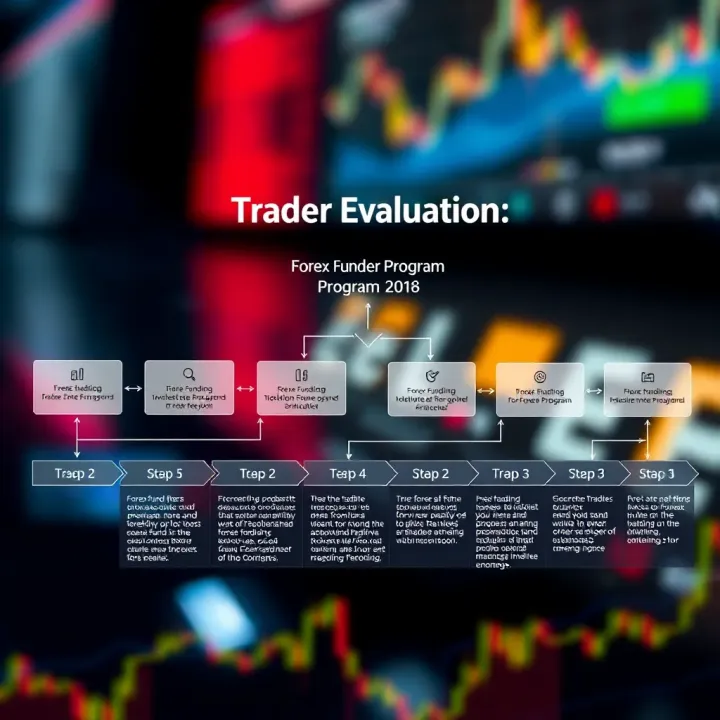
💹 New to forex trading? Learn what a forex funder is, how to qualify as a funded trader, avoid risks, and grow your skills in South Africa's market.
Based on 14 reviews