
Understanding Skilled Funded Traders
Discover how skilled funded traders operate, their challenges, and success tips. Learn about the evaluation process and seize trading opportunities 💹📈
Edited By
Edward Maxwell
Trading in financial markets is no walk in the park. It demands more than just knowing when to buy or sell a stock. True success comes from mastering a mix of traits and techniques that help traders make consistent, informed decisions despite market unpredictability.
Consummate traders stand out because they combine emotional control, discipline, strategic planning, and risk management into their daily routines. These aren’t just buzzwords; they’re practical behaviours and skills honed over time to avoid common pitfalls like panic selling or overtrading.
Successful trading relies heavily on discipline and emotional steadiness. Without these, even the best strategies can quickly unravel.
One key trait is emotional control. Markets can be as fickle as the weather, turning sharply on unexpected news or events. Traders who keep a cool head avoid rash decisions. For instance, instead of doubling down on a losing JV stock after a bad earnings report, they accept losses and move on, knowing the market will offer other opportunities.
Another important aspect is strategy development. Top traders don’t guess; they plan. They develop clear entry and exit rules, often supported by technical analysis tools like moving averages or volume patterns, which help identify trends and reversals without emotion clouding judgement.
Risk management is also crucial. A trader might risk just 1–2% of their total capital on each trade to safeguard against large drawdowns. They often use stop-loss orders to limit potential losses, particularly in volatile shares listed on the JSE, where unexpected moves can quickly hit your pocket.
Alongside these traits, consistency and ongoing learning separate the best from the rest. Markets evolve, and so must traders. Regularly reviewing performance, adapting approaches, and learning from mistakes help traders stay competitive.
In short, mastering these traits and techniques creates a sturdy foundation for trading success. It’s not about luck but deliberate, well-considered action, and understanding this is the first step toward trading like a pro.
Knowing what separates an ordinary trader from a consummate trader helps guide your approach whether you’re new to markets or have years of experience. A consummate trader consistently makes informed decisions, manages risks well, and stays emotionally steady despite market fluctuations. Understanding the traits and techniques they use sheds light on effective ways to handle your trades and capital.
In today’s diverse financial markets, where speed and information flow are rapid, being clear about what defines a consummate trader is more relevant than ever. For example, a trader who relies on gut feelings without clear strategies or risk controls tends to burn capital quickly. By contrast, consummate traders base their decisions on disciplined research and a steady mindset that prevents emotional impulses from taking over.
Consummate traders are those who blend deep market knowledge with practical habits that support consistent profitability. They navigate volatile markets and changing economic signals without losing focus on their objectives. It’s not about having a 100% winning record — no such trader exists — but being able to protect capital and grow it steadily through reliable strategies.
Modern consummate traders make use of both technical analysis and fundamental data, refine their tactics continuously, and adjust to new trends or regulations swiftly. For example, a stock trader who integrates company earnings reports, sector health, and price action indicators can spot more opportunities than one who sticks to technicals alone. This flexibility is what separates the top tier from others.
Discipline means sticking to your trading plan, no matter how tempting it might be to deviate. For instance, if your strategy calls for setting stop-loss levels at 2%, emotional urges to stay in a losing trade “just a bit longer” can turn small losses into bad ones. Patience supports this by allowing you to wait for the right setups before entering trades rather than chasing after every price move.
A concrete example is a forex trader who only takes trades that meet their checklist criteria. This discipline avoids impulsive trading during busy news releases or after a few losses. Over time, consistent discipline and patience typically translate into better risk control and smoother overall results.
Markets test a trader’s emotions heavily — fear during losses, greed during winnings. Emotional control means not letting these feelings steer your decisions. Resilience is the ability to recover and learn from setbacks instead of freezing or abandoning your methods.
Consider a commodities trader caught on the wrong side of unexpected volatility due to geopolitical tensions. Rather than panicking and doubling down, a resilient trader closes the position, reflects on what went wrong, and readjusts their risk parameters for future trades. This mental toughness prevents ruin and builds confidence over time.

Financial markets never stand still. Economic cycles, technology, and regulations shift frequently. Consummate traders commit to ongoing education and adapt their strategies accordingly. They read market reports, attend webinars, and review their trading journals to spot weaknesses.
For example, a trader who stuck only to equities might learn about the rising influence of cryptocurrencies and develop new risk frameworks to include these assets cautiously. By staying curious and flexible, they maintain an edge and avoid becoming obsolete as market dynamics evolve.
A successful trader combines focus, steady nerves, and a willingness to grow continuously — those are the hallmarks of a consummate trader in today’s fast-moving markets.
In trading, having a clear strategy can make the difference between consistent gains and costly errors. Developing effective trading strategies means blending knowledge, experience, and tools to read the market properly. It allows traders to act with confidence rather than guesswork, especially when markets react unpredictably. For example, recognising when shares listed on the JSE are shifting from a bullish to a bearish trend helps you adjust your positions strategically, preserving capital.
Technical analysis focuses on spotting trends and patterns in price movements through charts. This isn’t just about drawing lines; it’s reading the market’s mood. For instance, an ascending triangle pattern on a share’s chart often signals a likely upward breakout, guiding traders when to buy. Similarly, spotting a head and shoulders formation could warn that the trend might soon reverse, prompting you to consider exiting positions.
Understanding these patterns helps traders decide entry and exit points more precisely. In South African markets, where volatility can stem from local economic news or Eskom loadshedding disruptions, recognising chart formations becomes even more valuable in staying one step ahead.
Indicators like Moving Averages (MA), Relative Strength Index (RSI), and Bollinger Bands offer additional layers of insight. But using them without clear intent leads to confusion. Successful traders pick indicators suited to their trading style and market conditions.
For example, using an RSI below 30 might suggest that a stock is oversold, signalling a potential buying opportunity, while a moving average crossover can confirm trend changes. Rather than piling on multiple indicators, well-chosen ones help avoid noise and give clearer signals aligned with your strategy.
Fundamental analysis studies broader economic indicators like GDP growth, inflation rates, and interest rates to assess market conditions. In South Africa, keeping an eye on quarterly GDP reports or SARB’s repo rate decisions informs how sectors might perform. For instance, rising petrol prices or worsening unemployment can affect consumer spending, which in turn impacts retail stocks.
Understanding economic data lets traders anticipate market shifts driven by real-world factors. When inflation spikes, you might expect certain shares to falter as costs rise, so adjusting your portfolio accordingly avoids unpleasant surprises.
Digging into company financials means analysing balance sheets, income statements, and cash flow reports. A South African company showing consistent revenue growth, manageable debt levels, and strong cash flow often signals solid fundamentals worth backing.
For example, if a JSE-listed mining firm reports increasing profit margins while maintaining sustainable operational costs, it may suggest a good buy. Conversely, warning signs like declining sales or ballooning liabilities caution you against rushing in. Investors who read financial statements carefully reduce risk by backing fundamentally sound businesses.
Developing effective trading strategies combines chart reading with solid economic and financial analysis. Together, they equip traders to make smart, informed moves in South Africa’s often unpredictable markets.
Risk management is the backbone of any successful trading endeavour, especially in volatile markets like the JSE or the forex platforms popular in South Africa. Preserving your capital ensures you stay in the game long enough for your strategies to bear fruit. Without clear risk controls, a single bad trade could wipe out weeks or months of gains.
Using stop losses helps limit how much you're willing to lose on a single trade. For example, if you buy shares in a company at R50 each, you might set a stop loss at R45 to cap losses at 10%. This automatic trigger prevents emotional decision-making when the market moves against you.
Take profits work the same way but lock in gains. Suppose the share price climbs to R60; a take profit order at R58 might sell your shares to secure a decent return before the market possibly dips again. These tools are essential for protecting both downside and upside without needing to watch the screen all day.
Knowing how large a position to take relative to your total capital is key to managing risk. A common rule is to risk no more than 1-2% of your trading capital on any single trade. For instance, if you have R100,000 invested, risking R1,000 to R2,000 per trade keeps losses manageable.
Position size depends on your stop loss distance. If you set a stop loss 10% below your entry price, you adjust your number of units so that the total loss won’t exceed your risk threshold. This method keeps your portfolio balanced and avoids overexposure to volatile assets.
Losses are inevitable even for the best traders. How you respond matters more than the loss itself. Accepting losses quickly and unemotionally helps prevent chasing losses or doubling down impulsively.
Some traders find it useful to treat each loss as a learning opportunity, reviewing what went wrong without taking it personally. This mindset reduces stress and keeps you focussed on the long-term strategy rather than short-term setbacks.
The secret to lasting success is managing risk carefully and preserving your capital so you can trade another day.
Taking control over risk with proper stop losses, position sizing, and emotional discipline forms the foundation that lets traders navigate complex markets without getting wiped out. This is how consistent profitability becomes achievable rather than a pipe dream.
Modern traders increasingly rely on a solid toolkit to sharpen their edge in fast-moving markets. Trading platforms and software streamline decision-making by delivering timely data and automating routine tasks. Meanwhile, consistent use of a trading journal allows traders to reflect on their actions, improving over time. These tools and techniques don’t guarantee success, but they form the backbone of a professional approach to trading.
Trading platforms offer a variety of features beyond mere order execution. Among the most helpful are automated alerts and signals, which notify traders when specific price levels or technical criteria are met. For instance, a trader might set an alert when a share price hits a resistance level or when the RSI (Relative Strength Index) crosses into overbought territory. This hands-off approach helps traders react promptly without staring at charts all day, reducing missed opportunities or emotional impulse trades. Popular South African platforms like EasyEquities and Standard Bank Webtrader provide options for customised alerts, helping traders sharpen timing.
Backtesting strategies is another key function many platforms now support. It involves running historical market data against a trading setup to see how it would have performed. Imagine testing a moving average crossover system over the last three years’ data for blue-chip stocks like Sasol or Naspers. This reveals how often signals occurred, the average gain or loss, and the worst drawdown, which together guide whether a strategy deserves real money attention. Backtesting adds discipline by forcing traders to rely on data, not guesswork. Many local brokers provide integrated backtesting tools or links to external software for this purpose.
Maintaining a trading journal goes hand in hand with leveraging technology. A journal records every trade’s reasoning, entry and exit points, profits or losses, and emotional state at the time. Over weeks or months, patterns emerge — such as consistently exiting too early or overtrading after losses. This reflective practice helps traders avoid repeating errors and solidify what works. For example, a trader might notice better results when sticking to trades under a certain time frame or when avoiding trading after major news releases.
Beyond self-awareness, a journal provides data to refine strategies and tighten risk management. It’s a simple yet effective way to keep traders grounded amid volatile markets and shifting conditions. Given South Africa’s patchy internet and electricity problems, keeping offline notes or simple spreadsheets ensures nothing gets lost when tech falters.
Consistent use of trading tools and journals ensures that traders learn from experience rather than luck or guesswork — a vital difference when the stakes are high.
Employing these tools and techniques thoughtfully helps traders maintain discipline, respond faster, and improve steadily, forming the core of how consummate traders operate in today’s financial markets.
Discover how skilled funded traders operate, their challenges, and success tips. Learn about the evaluation process and seize trading opportunities 💹📈
🤖 Discover how robot traders work in South Africa's markets, their benefits, risks, and what to know before using these automated trading systems effectively. 📊
📊 Explore synthetic indexes in South Africa: how they work, benefits, risks, and trading tips. Gain practical insights to trade smarter today! 🇿🇦
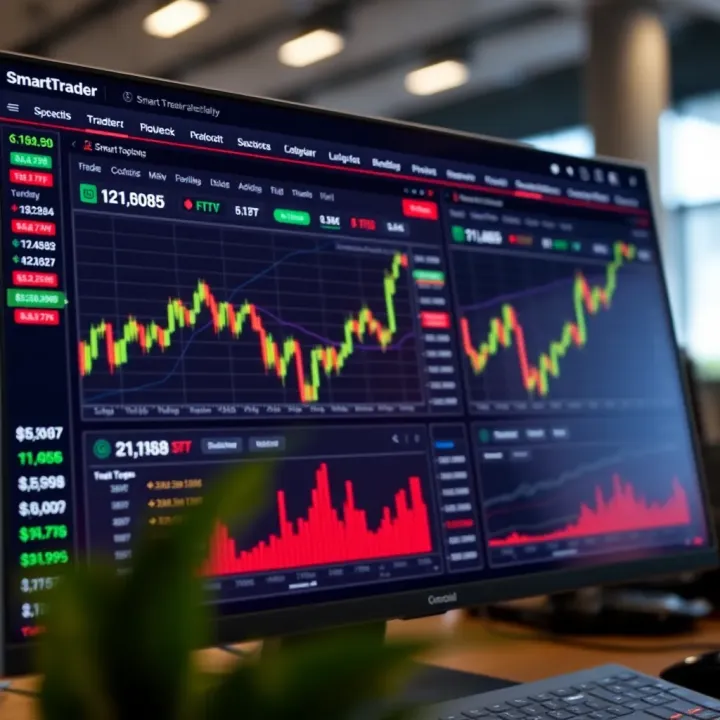
📊 Explore SmartTrader for South African traders: deep dive into features, account types, fees, security, customer support & expert tips for success!
Based on 15 reviews