

Understanding Synthetic Trading Basics
📈 Explore synthetic trading in South Africa: how combining financial instruments can replicate asset payoffs, manage risk, hedge, and seize market chances efficiently.
Edited By
Charlotte Hill
Binary option trading platforms offer a simple, often tempting way for traders to engage in financial markets. Instead of buying an asset outright, you predict whether its price will rise or fall within a set timeframe—often as short as a few minutes. If your prediction is correct, you earn a fixed payout; if not, you lose your investment for that trade.
These platforms attract many because of their straightforward approach: bets with clear outcomes and fixed risks. However, this simplicity can be misleading, especially for traders unfamiliar with the risks. Unlike traditional trading, binary options don’t usually allow you to hold a position long-term or manage trades actively.
Keep in mind: binary options are more akin to gambling than investing. You’re wagering on short-term price moves, which can be highly unpredictable.
Most platforms display a range of assets—stocks, indices, forex pairs, commodities—and let you select an expiry time for your trade. You then choose a direction, often called a "call" (price up) or "put" (price down). The platform locks in your potential payout upfront, so you know exactly how much you stand to gain or lose.
Expiry Times: Can range from 60 seconds to several hours, affecting risk significantly.
Payout Ratio: The percentage you’ll receive if your prediction is correct; usually between 60-85%.
Trade Amount Limits: Some platforms limit minimum and maximum trades, which impacts your money management.
Asset Availability: Check if your preferred markets (like JSE stocks or forex pairs) are included.
South African traders should be cautious with platforms not licensed or regulated by the Financial Sector Conduct Authority (FSCA). Unregulated platforms often operate offshore, leaving you exposed if disputes arise or if scams occur.
Additionally, South Africans must factor in tax implications. Profits from trading, including binary options, are subject to SARS tax laws and should be declared in your annual returns.
While these platforms claim to offer quick profits, consider if you have the skills and temperament for short-term trading under pressure. Using demo accounts first can help you get a feel without risking real Rand.
Understanding how binary option platforms operate is the first step. Next, you’ll want to explore their risks and how to navigate them safely—especially in the South African context.
Binary option trading platforms serve as the online hubs where traders predict whether the price of an asset will rise or fall within a specified period. These platforms play a key role, especially for South African traders, by providing a straightforward, digital space to engage in financial markets without owning the underlying assets. Whether it's currencies like the US dollar against the rand, commodities such as gold, or indices like the JSE Top 40, these platforms make trading accessible and often faster than traditional methods.
Beyond just accessibility, understanding what binary option platforms offer helps you spot features that suit your trading style and risk appetite. Since these platforms operate on fixed outcomes—win or lose—they demand precise timing and decision-making. Picking the right platform can influence your ability to execute trades efficiently and protect your capital.
At its core, a binary option is a financial contract where you bet on the direction of an asset’s price within a set timeframe. If you predict correctly, you receive a fixed payout; if not, you lose your stake. For example, you might bet that the price of Brent crude oil will be above R1,000 per barrel in 30 minutes. If the prediction is right at the trade's expiry time, you earn the predefined return, usually between 60-90% of your stake.
The appeal lies in its simplicity—no complicated share ownership or managing portfolio diversification. It’s like making a clear yes-or-no bet on market moves, which some traders find easier to grasp and manage.
Unlike traditional shares or forex trading, binary options offer fixed risk and fixed reward upfront. You always know your maximum loss when you place a trade, unlike conventional investments which can swing widely in value. This differs significantly from share trading on the JSE, where prices fluctuate continuously, and the final profit or loss depends on the exit point.
Moreover, binary options focus on short-term trades, from minutes to a few hours, rather than long-term investments. This suits traders looking for quick returns rather than capital growth over time. However, this fast pace also means risks pile up rapidly if not managed carefully.
Binary option platforms generally feature a simple, uncluttered user interface designed to make trade placement swift and clear. You’ll find tools showing real-time price charts, expiry timers, and buttons to pick your prediction—whether that’s "Up" or "Down." Platforms often include features like preset trade amounts, quick options for popular expiry times, and shortcuts to repeat your last trade.
For instance, a platform might let you choose from assets like ZAR/USD, gold, or equity indices, then quickly set your stake and expiry time. Clear displays of potential payout ratios help traders assess risk versus reward before confirming any trade.
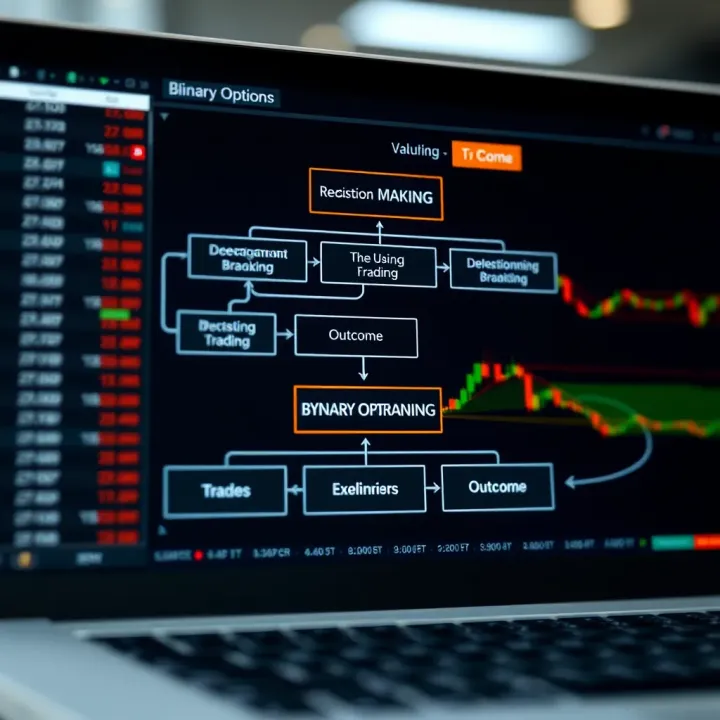
When you place a binary option trade, the platform locks in your stake at current market conditions. Once the countdown starts, your position is fixed until expiry. At the end, the platform compares the actual asset price against your predicted direction to determine the result.
Settlement is generally straightforward: if the outcome favours you, your initial stake plus profit is credited to your account. If not, your stake is lost. This quick turnaround—sometimes within 60 seconds—makes binary trading intense and fast, contrasting with traditional investment accounts where sale settlements can take days.
Remember, platforms must process trades accurately and transparently. Using reputable platforms with clear terms helps avoid misunderstandings and supports safer trading.
This overview gives you a solid base to understand how binary option trading platforms function, highlighting their unique features and risks compared to other markets. The key is choosing platforms that suit your needs, offer transparent conditions, and comply with South African regulations.
When selecting a binary option trading platform, several features can make a significant difference in your trading experience and outcomes. Reliability is about more than just uptime; it involves usability, security, and the tools provided to help you make informed decisions. These aspects become even more critical for South African traders who must navigate local regulations and unique market conditions.
Mobile compatibility and app availability are not just add-ons but essential for serious traders today. Many platforms offer dedicated mobile apps or responsive websites that let you trade anytime, anywhere, which is vital if you're on the go or want to react quickly to market changes. For instance, platforms like IQ Option and Deriv feature user-friendly apps that work well even on older Android or iOS devices, ensuring you won't miss trading windows due to lack of access.
Ease of navigation and trade execution also plays a big role in your trading success. A cluttered interface or complex menus can confuse even seasoned traders, leading to missed opportunities or mistakes. Good platforms keep things streamlined: clear charts, straightforward buttons for call or put trades, and fast execution to avoid slippage. Afro-centric platforms often build interfaces with local vernacular and clarity, reflecting an understanding of the user base’s needs.
Data protection and encryption standards safeguard your personal information and funds. Platforms that use SSL encryption to protect data exchanges prevent hackers from intercepting sensitive details when you log in or make transactions. Moreover, features like two-factor authentication (2FA) add an extra layer of security. Given frequent cyber threats, especially among unregulated offshore entities, prioritising platforms with robust security reduces the risk of fraud.
How South African regulation impacts platform legitimacy cannot be overlooked. The Financial Sector Conduct Authority (FSCA) regulates financial services locally, but binary options are largely unregulated in South Africa. Still, platforms complying with international standards and those willing to align with FSCA guidelines offer a higher degree of trust. Always check whether a trading platform is registered or licensed in reputable jurisdictions, keeping in mind that local legal frameworks also shape user protections.
Charting tools and market analysis provide the insights to back up your trades instead of relying on gut feelings alone. Platforms offering real-time charts with technical indicators—or even basic trend lines—allow traders to spot patterns and make educated predictions. This can be especially useful in volatile times, such as during Eskom’s load shedding periods, when markets may react unpredictably.
Educational materials and customer support help you navigate both the platform and the trading universe better. Reputable platforms supply tutorials, webinars, and FAQs to boost your understanding. Meanwhile, accessible customer service—via email, chat, or phone—means you can quickly get help if something goes wrong. For South African users, support in local languages or via popular communication channels adds practical convenience.
Choosing a platform that ticks these boxes won’t guarantee profits but sets the stage for smarter, safer trading tailored to your needs. Keep these factors front of mind and always test platforms with demo accounts before committing real money.
Trading binary options comes with notable risks that every trader in South Africa should understand before putting money on the line. These trading tools might look simple, but the fast pace and often short expiry times make losses swift and significant if you’re not careful. Recognising the pitfalls early can help manage expectations and prepare strategies to safeguard your capital.
Potential for rapid losses: Binary options typically involve predicting whether an asset’s price will go up or down within a very short timeframe—sometimes minutes or even seconds. This means if the market doesn’t move as predicted, you could lose your entire stake instantly. For example, a trader betting R500 on a stock’s price rise could see that R500 disappear just as quickly if the prediction fails. Unlike traditional shares investment, where losses may be gradual or mitigated by holding, binary options amplify the possibility of sudden, total loss. This risk level means those trading need discipline and a clear exit plan.
Psychological pressure and impulsive decisions: The speed of binary trading can play havoc with your mind. Watching prices tick rapidly while your money hangs in the balance is stressful. That pressure can push traders into impulsive decisions—chasing losses by upping stakes or deviating from a planned strategy. This knee-jerk reaction often leads to bigger losses. Experienced traders know to keep emotions in check, perhaps setting strict daily limits and taking breaks when stress spikes. Without this, trading turns into a rollercoaster that’s tough to get off.
Identifying fraudulent platforms: Unfortunately, the binary options space has attracted scams, particularly on less regulated platforms. Red flags include platforms that promise guaranteed returns or pressure you to deposit more money quickly. Some shady operators may freeze withdrawals or provide misleading information about your trades. It's a grim reminder that not every platform is trustworthy, especially those unregulated or lacking transparency.
Tips to verify platform authenticity: Before committing funds, confirm the platform’s licensing status with South African financial authorities or known international regulators like the Financial Sector Conduct Authority (FSCA). Check user reviews on trusted forums and see if the platform openly provides clear contact details and terms. Using demo accounts to test how the platform operates without risking real money is another good move. Also, avoid platforms that require you to pay upfront fees unrelated to trading deposits or commissions. Taking these steps can protect your money and peace of mind.
Staying aware of these risks and challenges sharpens your defence as a trader. It’s about balancing opportunity with caution, which pays off better than rushing in blind.
Beginning binary options trading in South Africa involves unique steps and considerations. This section helps you navigate the initial phase, covering crucial points like account registration, verification, funding, and risk management. Knowing these can save time and reduce headaches later on.
South African law requires strict adherence to Know Your Customer (KYC) rules, which means traders must provide identification and proof of address before starting. This is more than just paperwork—it’s part of safeguarding your funds and complying with anti-money laundering regulations. For example, platforms often ask for your South African ID or passport, a recent utility bill, and sometimes a selfie for ID verification.
These steps protect you by ensuring the platform is genuine and helps prevent fraud. While it might feel like a hassle, completing KYC upfront is essential and usually quick if you have your documents ready.
For deposits and withdrawals, South African traders typically use methods such as EFT (electronic funds transfer), credit/debit cards, and digital payment solutions like SnapScan or Zapper. EFT is popular due to its widespread acceptance by local banks and relatively low costs. Withdrawals can take a few business days depending on the platform and bank involved.
It’s wise to pick a platform offering reliable and familiar payment options. If you’re funded through a credit card, refunds or chargebacks might be quicker, but EFTs often provide better control and lower fees.
Setting realistic goals is a vital part of trading. Instead of aiming to turn R500 into R5,000 overnight, focus on steady growth. Establish daily or weekly limits—for example, deciding not to lose more than R200 per day helps prevent chasing losses, which often leads to bigger financial trouble.
Trades can be quick and tempting, but keeping a clear limit curbs impulsive decisions, which many new traders fall into. Consider writing down your goals or setting alerts to remind yourself.
Using demo accounts before risking real money is a smart start. These practice platforms simulate the actual trading environment but use virtual money, so you can familiarise yourself with the process without any pressure.
Many South African platforms provide demo accounts free of charge. Spend time testing different strategies and understanding platform tools, like timing your trades or interpreting charts, before moving to live trading. This reduces shocks and increases confidence, making your real-money experience less stressful.
Starting carefully and informed not only builds skill but also shields you against reckless losses in the highly volatile world of binary options.
This approach prepares you for the ups and downs while keeping your funds safer, essential in the South African context where financial stability is critical.
By focusing on these steps at the outset, you lay the groundwork for trading that’s efficient, lawful, and less risky.
Understanding where binary option trading platforms are headed in South Africa matters for anyone involved in this fast-moving space. With evolving market trends, regulatory shifts, and changing user behaviour, knowing what’s around the corner helps traders, brokers, and consultants plan smarter and avoid surprises.
Binary option trading has gained traction in South Africa, thanks partly to the growing appetite for online financial products and the rise of mobile internet access. Platforms that offer simple interfaces and quick trade execution appeal especially to younger traders who are comfortable with mobile devices. However, challenges persist, including the impact of loadshedding on internet reliability and recurring scepticism due to scams that have targeted South African clients in the past. These factors affect the speed and confidence with which local users adopt new platforms.
What’s vital here is seeing how South African-specific issues influence platform growth. For example, the availability of local payment options like EFTs and popular e-wallets can decide a platform’s appeal. If a platform makes it easy to deposit and withdraw in Rand (ZAR) without excessive delays or fees, it stands a better chance of local adoption.
Global financial trends often spill over into South Africa’s binary options scene. The increasing regulation in major markets like the EU and the US pushes some offshore platforms to improve their compliance or exit altogether. This reshapes which platforms are accessible to South African traders. Moreover, innovations such as AI-driven analytics tools or enhanced mobile apps launched globally tend to filter down, influencing user expectations locally.
For instance, if a popular European platform adds automated trading features that deliver steady returns, local traders might clamor for similar capabilities. Conversely, restrictions from global regulatory bodies like ESMA (European Securities and Markets Authority) indirectly shape South African market behaviour by limiting risky product offerings in multiple jurisdictions.
South Africa’s financial watchdogs, including the Financial Sector Conduct Authority (FSCA), have taken a cautious stance on binary options. While no outright ban exists, the FSCA warns that many binary options offerings operate without proper licences. This lack of clear regulation creates a grey area—legitimate platforms can operate, but so can unscrupulous operators.
The local authorities increasingly emphasise investor education and regular updates on scams while slowly moving toward tighter oversight. This situation means traders should stay alert and verify whether a platform complies with FSCA requirements or is registered internationally with recognised regulators.
Looking ahead, South African regulators could introduce stricter licensing rules or even specific legislation targeting binary options. Such moves would aim to protect consumers but might also limit the number of platforms available locally. Traders should anticipate a landscape that could become more secure but less flexible, with fewer offshore sites offering services to South Africans.
On the flip side, better regulation can boost market confidence. With clearer rules and stronger enforcement, more reputable platforms might enter the market, bringing benefits like better security, transparent pricing, and improved customer support. Traders who keep an eye on regulatory changes can adjust their strategies and select platforms in line with new requirements.
Knowing how market trends and regulation evolve in South Africa is key not only to avoid risks but also to spot opportunities in binary option trading. Staying informed helps you trade smarter in an environment that’s anything but static.
📈 Explore synthetic trading in South Africa: how combining financial instruments can replicate asset payoffs, manage risk, hedge, and seize market chances efficiently.
📊 Explore synthetics trading basics, benefits, risks, and platforms. Clear insights for South African traders looking to expand investment options.

Discover how Ryze Prop Firm supports South African traders with funded accounts, clear trading rules, smart growth paths, and a simple application process 📈💼
📊 Learn how pips calculators simplify forex trading by helping you calculate trade values and manage risk effectively. Master your trades today!
Based on 10 reviews