

Understanding Ripple Crypto for South African Investors
Explore Ripple crypto's technology, market role, benefits, risks, and legal aspects in South Africa 🇿🇦. Get clear insights for smart investing 💡
Edited By
Sophie Andrews
Broker trading forms a core part of financial markets, acting as the bridge between investors and the exchange. For South African investors, understanding how brokers operate, the various trading types available, and the costs involved is crucial to making informed decisions and managing risks effectively.
Essentially, a broker is an authorised intermediary that facilitates the buying and selling of financial instruments such as shares, bonds, and derivatives. In South Africa, brokers must comply with regulations set by the Financial Sector Conduct Authority (FSCA), ensuring protections for investors and accountability for brokers.
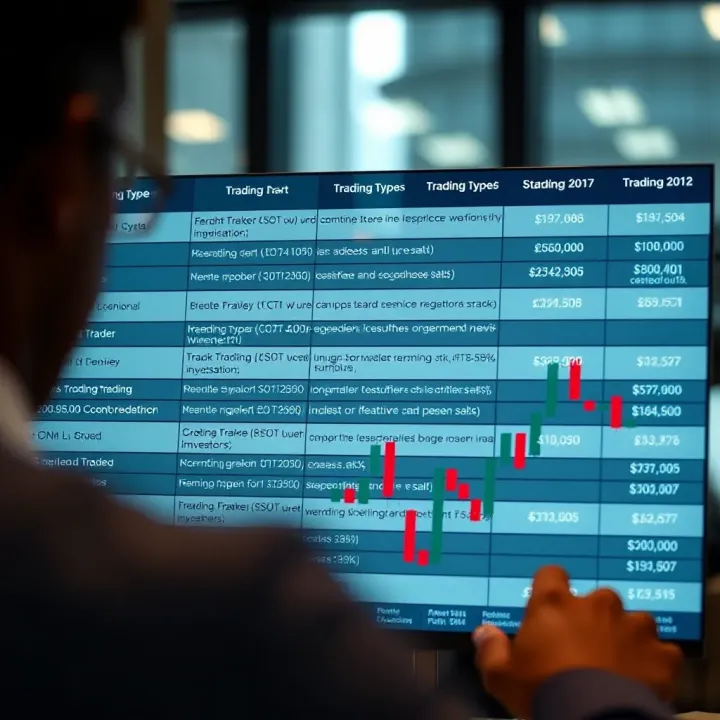
There are several trading formats South African investors can engage in through brokers:
Share Trading: Buying and selling shares listed on the Johannesburg Stock Exchange (JSE) or other markets.
Forex Trading: Speculating on currency pairs, often through specialised brokers with leverage options.
Derivative Trading: Including contracts for difference (CFDs) and futures, which allow investors to gain exposure without owning the underlying asset.
Unit Trusts and ETFs: Investing indirectly through pooled funds managed by institutions.
When choosing a broker, consider factors like:
Regulatory Compliance: Confirm the broker is authorised by FSCA and registered with the JSE if required.
Trading Costs: Look beyond the headline brokerage fees to include platform fees, currency conversion charges, and other hidden costs.
Trading Platform: The ease of use, tools available, and responsiveness can impact your trading efficiency.
Customer Support: Timely and local support can make a big difference, especially for complex trades or technical issues.
Remember, the cheapest broker isn’t always the best. Some local brokers may charge higher fees but provide valuable market insights tailored to South African conditions, such as exchange controls or tax implications.
In practice, many South African investors use platforms like EasyEquities for straightforward share trading or leverage international brokers for forex and derivatives. Always test demo accounts first to get a feel for the platform.
Understanding broker trading means navigating costs, regulations, and options with a clear head. Getting this foundation right helps protect your capital and sets you up to trade confidently in local and global markets.
Broker trading plays a fundamental role in the financial markets, acting as the bridge between investors and the marketplace. For South African investors, understanding how brokers operate helps demystify the process of buying and selling assets, such as shares on the Johannesburg Stock Exchange (JSE), forex, or commodities. Essentially, brokers make market access easier and more efficient, allowing individuals and institutions to participate without the need for direct dealings with other traders.
At its simplest, broker trading involves a broker acting as an intermediary between a buyer and a seller of a security or asset. Rather than investors having to find a counterparty themselves, the broker ensures that the trade is matched quickly and correctly. For example, if you want to buy shares in Sasol, your stockbroker will find someone looking to sell those shares, negotiate the trade parameters, and execute the transaction.
This connection is vital in markets where thousands of transactions occur daily. Brokers manage the complexities and speed required, making trading accessible to people who may otherwise struggle with direct negotiations.
Once the broker matches you with a counterparty, they handle the execution of the trade on various exchanges or trading venues. In South Africa, this mostly happens on the JSE or through licensed electronic trading platforms. Your broker uses technology to send orders either electronically or over the phone, depending on the service model.
Market access through a broker means you can trade numerous financial products beyond just shares. These include derivatives, exchange-traded funds (ETFs), or foreign exchange. Brokers often hold connections to multiple exchanges and liquidity providers, expanding your options far beyond local markets.
Many brokers in South Africa provide more than just trade execution. They offer advisory services tailored to your investment goals and risk tolerance. For example, brokers might help build or manage a diversified portfolio by recommending shares, bonds, or other assets suited to your profile.
Portfolio management services often include regular performance reports and adjustments aimed at optimising returns. In practice, this service benefits investors who prefer expert input to navigate volatile markets or limited time for personal management.
Today's brokers typically equip clients with user-friendly digital platforms that simplify trading. These platforms offer real-time price feeds, charting tools, and order management features. For instance, leading South African brokers provide mobile apps that allow you to monitor your investments and place trades even when you're on the go.
Besides basic trading, some platforms provide advanced analytical tools, such as market scanners or risk calculators. Such tools help investors make informed decisions efficiently, without needing separate subscriptions or software.
Good brokers empower you not just by providing access but by giving you the tools and expert advice you need to trade confidently in South Africa’s diverse financial markets.
Understanding these basic concepts lets you approach broker trading with more clarity, enabling practical steps toward managing your investments wisely.
When you step into the world of broker trading, it's vital to understand the different types available. Each trading option has its own rhythm, risks, and rewards, which make knowing them essential for any investor based in South Africa. Selecting the right type of broker trading can fit your risk appetite, investment goals, and the time you want to commit. It’s about making smart, informed moves rather than guessing.

The Johannesburg Stock Exchange (JSE) remains the primary platform for South Africans to buy and sell shares in local companies. Trading shares here means investing in South African firms like Sasol, Shoprite, or Naspers, which can offer dividends and capital growth over time. This kind of trading is suited to those interested in building long-term wealth or earning income through dividends.
Execution happens through stockbrokers who grant access to the market and manage share transactions on your behalf. For instance, when you instruct your broker to buy shares of Mr Price, they’ll carry out that trade at the current market price. This type of trading is regulated carefully in South Africa to protect investors and ensure fairness.
These days, online trading platforms have taken much of the hassle out of share trading. Platforms like EasyEquities, SatrixNOW, or FNB Share Investing provide easy access at your fingertips, allowing you to buy or sell shares without physically going through a broker each time. For example, you can track your share portfolio, view live JSE price movements, and place orders immediately from your cellphone.
Online platforms offer transparency on pricing and often have lower fees than traditional brokerages, making them a popular choice, especially for retail investors. Plus, they frequently include educational resources to help newcomers navigate the market confidently.
Forex trading involves swapping one currency for another, for example, trading the South African rand (ZAR) against the US dollar (USD). It's one of the most liquid markets worldwide, operating 24/5, attracting traders looking to profit from currency fluctuations. A local investor might trade USD/ZAR to hedge against rand weakness or take advantage of global economic events.
Forex brokers provide access to these currency pairs, offering leverage to increase potential gains, but also amplifying risk. Because of high volatility, forex trading demands a solid grasp of market influences, like central bank policies and geopolitical changes.
Contracts for Difference (CFDs) let traders speculate on price movements of financial products—like shares, commodities, or indices—without actually owning the underlying asset. For instance, you could take a position on the future price of gold or the JSE Top 40 index.
CFD brokers in South Africa enable this by allowing you to open leveraged positions, meaning you only need to put up a fraction of the full trade value. This makes it accessible, but you must understand risks involved, including potentially losing more than your initial investment. CFDs suit active traders who want diversified exposure without buying physical assets.
Trading commodities like gold, platinum, or crude oil through brokers is quite common in South Africa, given the country's resource-rich background. Investors may prefer these to diversify their portfolio or to hedge against inflation. For example, you can invest in gold ETFs or futures that track precious metals without mining directly.
Indices trading involves speculating on the overall performance of market segments, such as the JSE Top 40 or international indices like the S&P 500. It's a way to invest broadly across many companies through a single trade, managing risk better than picking individual shares.
Though still relatively new, cryptocurrency trading has grown rapidly in South Africa. Brokers and specialised platforms allow investors to trade popular cryptos like Bitcoin, Ethereum, or Ripple. This market operates 24/7 and is known for its price swings, offering chances for high returns but also steep losses.
It's crucial to deal with regulated brokers or exchanges here, as the crypto world can attract scams. Many South Africans use platforms like Luno or VALR, which offer wallets and trading features geared towards local users.
Knowing the types of broker trading lets South African investors make choices suited to their needs, providing ways to tap into local and global markets with clarity and confidence. Choosing your path carefully helps you manage risk while chasing the returns you want.
Choosing the right broker can make a real difference to your trading experience and investment outcomes. It’s not just about picking a platform that looks flashy or advertises low fees. You need to check several key aspects to ensure your broker is trustworthy, cost-effective, and suits your trading style. This section breaks down these key considerations to help you make an informed choice in the South African market.
The Financial Sector Conduct Authority (FSCA) is the watchdog that oversees financial services providers in South Africa. Its role is to regulate and supervise brokers to ensure they play by the rules and protect your interests. When a broker is FSCA-licensed, it means they have met certain standards regarding honesty, transparency, and capital adequacy.
Using an FSCA-licenced broker is critical as it offers a layer of protection against fraud and malpractice. For example, if a broker operates without FSCA approval, you risk losing your money or facing problems recovering funds. The FSCA also provides a complaints process if things go wrong, giving investors a formal route to raise concerns.
Brokerage costs come in different forms, including commissions (fixed fees per trade), spreads (the price difference between buying and selling), and sometimes hidden charges like account inactivity fees or withdrawal costs. For instance, some South African brokers might advertise zero commission but compensate through wider spreads. This can quietly eat into your profits if you trade frequently.
Comparing fees between brokers isn’t always straightforward but is essential. Look at how much you’ll pay for the trades you do most often and whether there are any surprise charges. For example, a broker with a low commission but high withdrawal fees might not save you money overall. Request a clear fee schedule before committing.
Ease of use is a must. A complicated platform can slow you down or lead to costly errors. Choose brokers who offer intuitive platforms with straightforward navigation and clear charts. For example, popular South African brokers like EasyEquities provide user-friendly sites that suit beginners without compromising on tools.
Additionally, mobile trading options allow you to keep an eye on your portfolio from anywhere. In South Africa, where commuters rely heavily on mobiles, having an app that works well with limited data and spotty coverage can be a major advantage.
Responsiveness matters when questions or issues arise, especially in fast-moving markets. Check the broker’s customer service hours and test how quickly they respond. A broker who only offers email support with delayed replies can cost you time and money.
Also, good brokers often provide educational resources such as webinars, articles, or local market insights. These materials can sharpen your trading skills and help you make better decisions, which is particularly useful if you’re still building experience.
Choosing a broker involves more than just picking the cheapest or flashiest option. Look out for FSCA licensing, transparent costs, accessible platforms, and reliable support to set yourself up for smoother, safer trading in South Africa.
Successful broker trading isn’t just about picking the right stocks or timing the market well. It requires setting realistic goals and managing risks carefully. These tips help you avoid unnecessary losses and make trading a sustainable activity, especially considering the volatility in local and international markets.
Understanding your investment objectives is a key starting point. You need to be clear whether you’re aiming for short-term gains like quick profits from shares or building wealth gradually through longer-term investments. For example, if you’re saving for your child’s tertiary education over 10 years, chasing rapid returns with high-risk stocks might not suit you. Instead, a mix of blue-chip shares and unit trusts could offer more stability. Aligning your plan with your financial goals keeps your trading focused and reduces emotional decisions during market dips.
Using stop-loss orders and limits protects your investments from unexpected market swings. A stop-loss order automatically sells a share if its price falls to a certain level, limiting your losses. For instance, if you buy a share at R100 but want to avoid losses beyond R90, setting a stop-loss at R90 helps cut potential damage. This tool is especially useful in markets affected by global shocks or local events like changes in Eskom’s load shedding affecting business operations. Placing limits also helps lock in profits by automatically selling when prices reach your target, taking the guesswork out of timing.
Following market news and trends keeps you aware of factors that influence prices. South African markets can react to a range of news—from interest rate changes announced by the South African Reserve Bank (SARB) to developments in mining or agriculture sectors. Keeping an eye on local newspapers, business channels, and financial news sites gives you a clearer picture of market sentiment and helps you anticipate moves.
Staying informed isn't about chasing every headline but understanding the bigger picture to make smart moves.
Using broker research and analysis can add valuable insights if you know how to use it. Many FSCA-licenced brokers in South Africa provide research reports and market outlooks as part of their services. These reports often analyse industries or individual companies with data not easily available to casual investors. For example, a broker’s analysis could reveal that certain JSE-listed stocks in pharmaceuticals are poised for growth due to new government health policies. Combining your own market study with professional research sharpens your trading decisions.
By setting clear goals, managing risks, staying alert to news, and tapping into broker analysis, you build a solid foundation for successful trading. These practical steps help you navigate the market with confidence and limit avoidable mistakes along the way.
Broker trading opens up a world of investment opportunities, but it also demands a cautious approach, especially in South Africa’s evolving financial landscape. Understanding how to trade safely protects your capital and keeps you clear of scams that still catch out even seasoned investors. This section focuses on key steps you can take to trade confidently, stay compliant with local laws, and avoid common pitfalls.
One of the first skills every investor must develop is spotting when a broker isn’t on the level. Be wary of promises of guaranteed high returns or approaches that pressure you to invest quickly without giving you time to check their credentials. For example, some unregulated brokers may use aggressive tactics like cold calls or constant messaging claiming insider tips. Often, they'll ask for large upfront deposits and offer flashy platforms with little transparency. In South Africa, brokers who are not registered with the Financial Sector Conduct Authority (FSCA) are a major red flag.
Pay close attention when you notice discrepancies in trading statements, delays withdrawing funds, or lack of clear communication. These issues often point to problems, and it’s better to step back and verify before proceeding.
If you suspect fraud, report it quickly to the FSCA. The FSCA has a mandate to oversee financial services and protect consumers, so alerting them can help prevent others from falling victim. South African investors can also contact the Ombudsman for Financial Services Providers if their broker is FSCA-registered but behaving unethically. Providing as much evidence as possible, such as emails, contracts, or transaction records, aids investigations.
Besides official agencies, sharing your experience on investor forums can raise awareness. Tapping into the broader South African investing community often helps spot patterns of fraud faster.
Trading profits in South Africa are subject to capital gains tax (CGT). This means you pay tax on the profit made from selling shares or other assets above what you originally paid. The CGT inclusion rate is currently 40% for individuals, effectively taxing 40% of the net capital gain at your marginal tax rate.
For instance, if you bought shares at R50,000 and later sold for R70,000, the R20,000 gain is considered for CGT. After applying the inclusion rate, a portion (R8,000) is added to your taxable income. Keeping detailed records of purchase and sale prices, dates, and related costs like brokerage fees is vital to calculate this correctly.
All capital gains should be declared on your annual income tax return submitted to the South African Revenue Service (SARS). Failure to declare trading profits can lead to penalties and unnecessary legal trouble. Make sure to include these figures in the applicable tax year, keeping your records organised and accessible.
If trading becomes frequent and business-like, SARS may view the profits as income from trading rather than capital gains, which changes taxation rules. Consulting a tax professional familiar with South African tax law is wise to stay compliant and optimise your tax position.
Staying alert to fraud risks and following tax obligations firmly anchors your broker trading activities in safe territory, ensuring you avoid costly surprises while building your portfolio in line with South African regulations.
Explore Ripple crypto's technology, market role, benefits, risks, and legal aspects in South Africa 🇿🇦. Get clear insights for smart investing 💡
Explore key insights on online brokers in South Africa 🇿🇦 Understand fees, features, regulations, and tips to pick the right platform for your investing needs 📈

🤖 Discover how robot trading apps work in South Africa, their pros and cons, regulatory tips, and how to pick a trustworthy platform for smarter investing.
🔍 Explore Quotex for South African traders: key features, trading steps, risks, regulations, and smart tips to trade safely and effectively!
Based on 15 reviews