

Understanding Deriv Synthetic Accounts
🔍 Learn how deriv synthetic accounts work, their use in trading, and the risks involved. Essential insights for South African investors navigating financial markets.
Edited By
Liam Foster
A Deriv real account lets you trade with actual money on the Deriv platform, offering a practical way to engage in online trading across various financial markets. Unlike demo accounts, which use virtual funds for practice, real accounts expose you to real risks and profits. For South African traders, understanding how a Deriv real account works is vital to manage funds effectively and comply with local regulations.
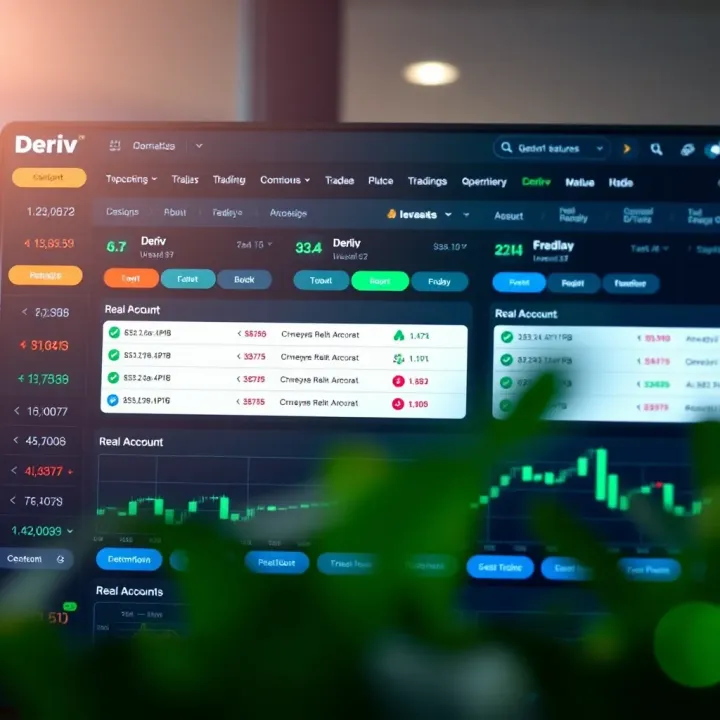
Simply put, it’s a live trading account where you deposit Rand or US dollars (depending on your preference) to buy and sell assets like forex pairs, cryptocurrencies, or synthetic indices. This type of account provides access to genuine market moves, allowing you to capitalise on price fluctuations.
Trading with a real account means your gains are real — and so are your losses, so trades need careful planning.
Many start with the demo to get a feel for the platform, but switching to a real account is the only step to earning actual returns. Key reasons include:
Access to full platform features and asset variety
Real-time market exposure and price feeds
The opportunity to test strategies under true market conditions
Deriv real accounts come with built-in risk management tools, including stop-loss orders and trade limits, which help safeguard your investment. Plus, you can choose between different account types depending on your trading style, ranging from simple contract-for-differences (CFDs) to more advanced synthetic indices.
In South Africa, it’s essential to verify your identity to comply with Financial Intelligence Centre Act (FICA) regulations. This verification protects both you and the broker from fraudulent activities.
Opening a Deriv real account involves submitting basic details, uploading identification documents, and making a minimum deposit. For South Africans, popular deposit methods include bank transfers, e-wallets such as Skrill or Neteller, and sometimes local instant payment options.
Understanding these basics helps you manage your trading safely and smartly. As the market moves, keeping an eye on your open positions and risk settings can prevent unpleasant surprises.
From here, the next steps focus on setting up your account confidently and managing trades to suit your financial goals.
A Deriv real account is essentially a live trading account where you trade with actual money on the Deriv platform. Unlike demo accounts, which use virtual funds, real accounts put your capital on the line, which makes the trading experience genuine and outcome-dependent. This section is vital because it lays the groundwork for understanding both the opportunities and the risks involved when trading for real, especially within the South African context.
Demo accounts serve as practice spaces where traders can familiarise themselves with Deriv’s interface and test strategies without risking actual money. Think of it like a driving school simulator—no danger of dents or crashes, but not the same as driving on real roads. Meanwhile, a real account reflects live market conditions involving real deposits, real profits, and losses that impact your wallet immediately.
This distinction is crucial as trading behaviours often change once real money is involved. The pressure, emotions, and decision-making become more authentic. Many South African traders start with demos but soon realise that switching to a real account is the only way to experience true market dynamics.
Real accounts allow traders to capitalise on live market movements and potentially earn profits. They also enable participation in South Africa’s growing online trading scene with a chance to diversify income streams beyond traditional investments. For instance, a Johannesburg-based trader might use their Deriv real account to trade forex pairs like USD/ZAR to hedge against rand fluctuations.

Moreover, the real account grants access to full platform features, including live market analysis tools, withdrawal options, and tailored risk management settings. This practical experience is invaluable for developing trading discipline and sharpening market instincts.
Deriv offers access to forex markets, which involve currency pairs like the euro vs. the US dollar or rand vs. British pound. Trading forex allows users to bet on currency value changes influenced by economic news or geopolitical events. Contracts for Difference (CFDs) expand this by allowing trades on underlying assets like stocks, commodities, or indices without owning the asset.
For South African traders, the advantage lies in market diversity and liquidity. Forex pairs such as USD/ZAR provide chances to respond dynamically to local economy news, like SARB interest rate changes. CFDs on commodities, such as gold, are particularly attractive given South Africa’s mining sector. These instruments offer flexible entry points and the possibility of leverage, but come with the need for cautious risk management.
Options trading on Deriv involves contracts granting the right—but not obligation—to buy or sell an asset at a set price within a timeframe. This tool helps traders speculate on price directions or hedge existing positions.
Synthetic indices are unique to platforms like Deriv. They're artificially created indices designed to simulate real market behaviour without direct exposure to global markets. For example, a synthetic volatility index mimics market turbulence patterns 24/7, unaffected by real-world events or holidays.
This means South African traders can trade these indices any time, offering more opportunities compared to conventional markets that close during weekends or public holidays. Synthetic indices provide a neat alternative for traders wanting consistent market conditions and less exposure to external shocks.
Trading on a real account brings you face-to-face with authentic market risks and rewards. Understanding the specific instruments available—like forex, CFDs, options, and synthetic indices—enables you to pick a strategy that suits your goals and risk appetite effectively.
Starting a Deriv real account is straightforward but demands attention to detail, especially for South African traders. Understanding the process not only helps avoid delays but also ensures compliance with local regulations. This section outlines the practical steps needed to open and verify your account, making trading with real money safer and smoother.
South African traders will need to provide basic personal information when registering. This usually includes your full name, date of birth, nationality, and contact details such as an email address and mobile number. Providing accurate information is essential because it forms the basis for account verification and ongoing compliance checks. For instance, using your official ID details rather than nicknames avoids complications later.
After submitting your personal details, you create a username and password. Choosing a strong password — ideally a mix of letters, numbers, and symbols — guards against unauthorised access. You’ll also be asked to confirm your contact details via email or SMS, which acts as an added security layer. It's wise to use a unique password different from other online accounts to prevent potential breaches.
South African law requires brokers like Deriv to collect proof of identity and address documents. This might include a valid SA ID book/card and a recent utility bill or bank statement not older than three months. These documents confirm that you are who you claim to be and that your registered address matches local records. Submitting clear, legible copies speeds up the verification process and helps avoid holds on your account.
To comply with the Financial Intelligence Centre Act (FICA), Deriv must verify your identity to prevent fraud and money laundering. The verification process involves cross-checking your documents against government databases or trusted third parties. For traders, meeting FICA requirements means your account gets approved quicker and maintains access to deposits and withdrawals without interruption.
Following these steps carefully can save you from unnecessary hassles, ensuring your trading experience on Deriv starts on the right foot. Proper registration and verification protect both you and the platform from financial crime risks, a legal necessity South Africans should approach seriously.
By knowing exactly what personal details and verification documents you’ll need, and understanding their importance, you’ll manage your Deriv account efficiently and according to local rules. This sets a solid foundation for trading effectively and securely with real money.
Managing your Deriv real account well is fundamental to making sound trading decisions and protecting your funds. An effective approach means not only keeping track of deposits and withdrawals but also utilising the platform’s tools to monitor trades and manage risk. Many traders underestimate the importance of account management, but this aspect directly influences whether you can respond quickly to market changes or technical issues — which, in a country like South Africa, sometimes ties into local challenges like loadshedding interruptions.
South African traders have access to several payment methods on Deriv, including popular local options such as Instant EFT, which allows direct bank transfers, and globally recognised e-wallets like Skrill and Neteller. Credit and debit cards are also accepted, making it straightforward for users who prefer plastic transactions. Using Instant EFT usually means funds reflect in your account within a few minutes, which is handy if you want to jump into the market quickly after spotting a chance.
Withdrawals generally process smoothly but keep in mind that payment times vary depending on the method. For example, Instant EFT withdrawals can take a few hours up to 24 hours, while e-wallets tend to be faster. Also, Deriv doesn’t charge deposit or withdrawal fees directly, but your bank or payment provider might. It's wise to check any potential deductions before transferring to avoid surprises. Being aware of these times and costs helps manage your trading cash flow, so you aren’t caught off guard when money isn’t immediately accessible.
Deriv’s platform comes with solid charting features and technical indicators that help traders make informed decisions. You’ll find standard tools like moving averages, Bollinger Bands, and RSI readily available to analyse price movements. These tools allow you to spot trends or potential reversals, which is essential, especially when trading volatile instruments like synthetic indices. For instance, if you notice an RSI hitting overbought levels, you might decide to hold back or place a hedging trade.
Beyond charts, Deriv offers risk and money management tools such as stop-loss and take-profit orders. These let you automatically close trades once certain thresholds are met, protecting your capital from sudden market swings — crucial in a fast-paced environment. Traders can also set up indicators for margin calls and monitor their account equity in real time. Using these features helps keep your losses in check and ensures you trade within your budget, which prevents nasty surprises, especially when the market doesn’t go your way.
Managing your real account isn’t just about having money in there; it’s about actively using the tools and understanding your cash flow to trade smarter and safer.
Clear and consistent management practices improve your chances of staying profitable on Deriv. Combining reliable payment methods with smart use of platform features makes for a much smoother trading experience, even when local factors like banking hours or internet connectivity might complicate things.
When working with a Deriv real account, understanding common challenges and knowing how to handle them can save you from unnecessary frustration and losses. This section highlights typical hurdles South African traders face and offers practical guidance to navigate these issues smoothly.
South African traders often grapple with internet connectivity problems—especially during Eskom loadshedding. Scheduled power cuts can disrupt your trading sessions, causing missed opportunities or forced platform logouts. It’s wise to prepare with a backup power source like an inverter or a powerbank for your mobile devices to stay connected during these outages.
Internet instability doesn’t just affect access; it can create delays in order execution, impacting your trading results. Using a desktop with a stable wired connection often offers better reliability than mobile data or Wi-Fi, particularly in areas plagued by spotty coverage.
Speaking of devices, the Deriv platform performs differently on mobile versus desktop. While mobile apps offer flexibility to trade on the go, their smaller screens and limited charting tools may hinder complex analysis. Desktop platforms, with larger displays and more advanced features, provide a better environment for thorough technical analysis or active trading sessions.
That said, many traders start on mobile for convenience but switch to desktop for in-depth trades or when volatility spikes. Make sure your chosen device aligns with your trading style and that you have both options ready if needed.
Knowing how spreads, commissions, and rollover fees operate can prevent unexpected costs that eat into your profit margins. Deriv spreads—the difference between buy and sell prices—vary across assets and market conditions. Tight spreads mean lower costs, but keep an eye out during volatile times when spreads widen significantly. Commission fees may apply on certain instruments, so check these before opening larger positions.
Rollover fees, or swaps, are charged when holding trades overnight to cover financing costs. If you plan to hold positions longer term, factor these fees into your strategy or consider instruments with no rollover charges.
Withdrawal limits and verification delays are another common pain point. Some brokers impose daily or monthly withdrawal caps, which can stall access to your funds if not planned properly. Verification delays, especially with identity and address documents under South African regulations, may slow withdrawal approval.
To avoid cash flow hiccups, complete your account verification promptly by submitting clear and valid documents, and verify withdrawal limits upfront. Keeping this in mind helps maintain smooth trading and fund access.
Being proactive about technical readiness and understanding broker conditions isn’t just a must—it can make the difference between steady profits and avoidable setbacks.
🔍 Learn how deriv synthetic accounts work, their use in trading, and the risks involved. Essential insights for South African investors navigating financial markets.
💸 Trading on Deriv? Learn about minimum withdrawals, payment options, fees, and tips to handle your funds smoothly in South Africa. Avoid surprises and manage your cash well!
📊 Explore Deriv demo for risk-free trading practice. Learn setup, features & strategies to build confidence on this easy, no-risk South African platform.
Learn how minimum withdrawal limits work on Deriv platforms 🇿🇦. Get practical tips to manage withdrawals smoothly and understand what affects limits for SA traders.
Based on 15 reviews