

Understanding the Dollar Bot and Its Impact
🤖 Explore the Dollar Bot's functions and impact in finance and tech. Learn how it works, challenges faced, and what the future holds for these systems in SA.
Edited By
Oliver Hastings
Dollar Bot is a software tool designed to automate the buying and selling of US dollars, primarily aimed at South African users dealing with currency exchange challenges. With rand hitting unpredictable swings against the dollar, this automated system can help traders, investors, and businesses act quickly without having to monitor markets constantly.
At its core, Dollar Bot works by using pre-set rules or algorithms that execute currency trades based on market conditions, exchange rates, or user preferences. For example, a business that imports goods might set the bot to purchase dollars whenever the exchange rate hits a favourable level, reducing the risk of paying more during peak volatility periods.
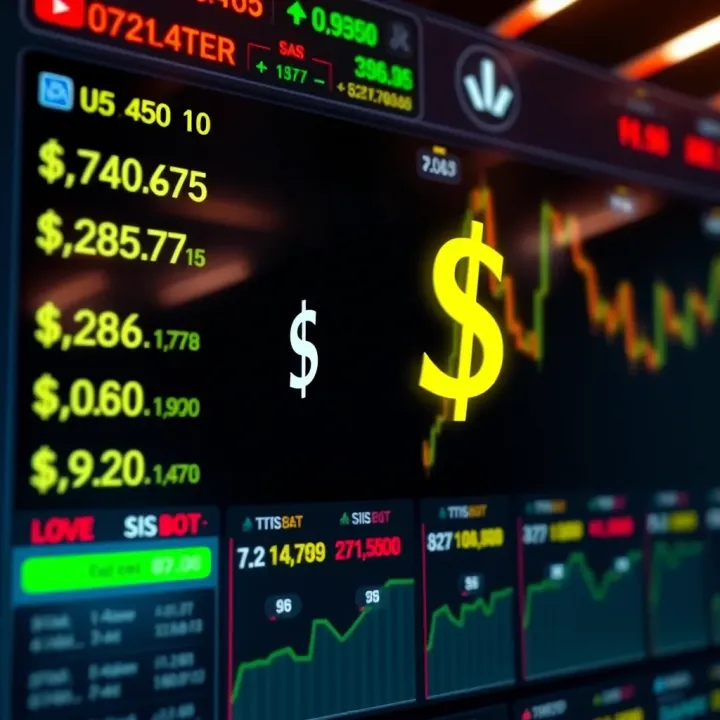
Automated currency exchange tools like Dollar Bot offer speed and precision, helping users avoid costly delays in volatile markets.
Real-time monitoring: The system continuously watches exchange rates and market data.
Rule-based execution: Trades happen automatically when certain criteria are met—such as a target rate or timing.
Integration with brokers or banks: Dollar Bot connects directly to platforms that handle the actual currency trades, making the process smoother.
Currency risk management: Investors can hedge their exposure by locking in exchange rates.
Cost savings: Frequent manual trades often come with higher fees and missed opportunities.
Time efficiency: Businesses save time by avoiding manual monitoring and execution.
Before deploying an automated currency bot, it’s wise to consider factors like the reliability of the underlying algorithms, brokerage fees, and security protocols. Some bots may require access to your trading accounts, introducing extra risk if credentials aren’t kept safe.
Ultimately, Dollar Bot fits into the South African currency exchange landscape by offering both individuals and companies a tool to act swiftly and reduce the headache of managing fluctuating USD/ZAR rates manually. Especially with Eskom’s loadshedding and economic uncertainties impacting rand stability, having an automated helper can be just the edge you need.
Understanding what Dollar Bot is helps traders and businesses grasp why automating currency exchanges can be a serious time-saver and cost-cutter, especially when dealing with the US dollar. The use of such tools is not just about speed but also about removing some of the guesswork and emotion from forex trading.
Automated currency exchange tools are software applications designed to perform trades without the need for constant manual intervention. These tools analyse live market data, execute trades based on preset criteria, and aim to optimise trade timing with minimal human input. In South Africa, where exchange rates can be volatile due to external economic pressures and local factors like loadshedding impacting business confidence, such automation brings a measure of consistency and responsiveness that human traders can't always match.
Dollar Bot specifically focuses on automating exchanges involving the US dollar, one of the most widely traded currencies globally. The bot uses algorithms to place trades on forex platforms according to defined strategies, such as buying when the rand weakens beyond a threshold or selling when it strengthens. This role means users can take advantage of market opportunities 24/7, without needing to constantly watch screens or second-guess decisions. Practically, Dollar Bot can monitor, respond, and act faster than most manual traders, helping capture favourable rates even while you sleep.
Individual traders and casual investors use Dollar Bot to overcome the steep learning curve and emotional swings common in forex trading. For instance, a South African working abroad wanting to convert earnings back home can set the bot to exchange funds at a preferred rate, without constantly checking the market. This lowers the barrier for participation and helps manage risk by sticking to disciplined trade rules.
For businesses, especially importers and exporters dealing with US suppliers or customers, Dollar Bot offers a way to hedge currency risk automatically. A Cape Town-based textile exporter might use it to lock in favourable USD/ZAR rates, smoothing cash flow and protecting profit margins. Financial institutions can integrate Dollar Bot within larger trading systems to increase efficiency and scale operations without adding overhead.
Automation in currency exchange, as demonstrated by Dollar Bot, provides real-world value by reducing delays, human error, and emotional bias, all while enabling quicker responses to shifting market conditions.
Dollar Bot plays a vital role in the currency trading world by automating transactions and managing the complexities of forex markets. Understanding its operation helps traders and financial professionals rely on the tool effectively within volatile environments.
At its core, Dollar Bot uses algorithmic trading, which means it follows pre-set rules and instructions programmed to execute trades automatically. These algorithms evaluate market conditions such as price movements, volume, and timing to identify favourable opportunities. For example, Dollar Bot might be set to buy US dollars when the Rand weakens by a certain percentage and sell once a target profit margin is reached.
This systematic approach removes the guesswork from trading by quickly processing data beyond human capability. It allows users to act on market fluctuations even when asleep or occupied, a big plus in South Africa where the forex market operates 24/5.
Dollar Bot is designed to integrate smoothly with popular forex trading platforms like MetaTrader or proprietary broker systems. This connection means it can send and execute orders directly without manual intervention. When a signal triggers, the bot places trades instantly, which is crucial because delays can reduce profit margins.

On a practical level, integration ensures all trade activities are compliant with exchange rules and that data streams in real-time. For instance, if MTN's forex desk uses Dollar Bot, it can automatically adjust currency exposure amid sudden rand volatility seen during loadshedding periods.
Effective risk management depends on carefully defining parameters such as stop-loss, take-profit levels, and maximum trade size. Dollar Bot lets traders program these controls to prevent excessive losses. For example, a stop-loss set at 5% below the purchase price ensures the bot sells before losses deepen.
This personalised approach is vital amid the rand’s frequent swings, giving traders peace of mind. Parameters can be adjusted as market conditions change, keeping risk within comfortable boundaries.
Currency markets often move unpredictably due to political changes, economic data releases, or external shocks. Dollar Bot continuously monitors relevant indicators and reacts faster than human traders can. It may exit a position or switch strategies instantly when volatility spikes.
For instance, during a sudden announcement by the South African Reserve Bank on interest rates, Dollar Bot can recalibrate trading to avoid unnecessary losses or seize short-lived price dips. This responsiveness minimises risks while helping take advantage of dynamic market environments.
Automated trading like Dollar Bot is not about removing risk entirely but managing it more efficiently and precisely than manual trading allows.
The automation backbone and risk settings make Dollar Bot a valuable tool in the evolving currency trading scene, especially for those juggling local market challenges and global currency trends.
Understanding the practical upsides and potential pitfalls of Dollar Bot helps traders decide if this automated tool fits their currency trading needs. While it promises speed and efficiency, users must also weigh technical and strategic risks.
Dollar Bot operates at a pace far beyond human capability, executing trades instantly when preset conditions are met. In volatile markets, this speed ensures traders lock in favourable exchange rates before sudden shifts occur. For example, during rapid rand-dollar fluctuations, Dollar Bot acts immediately, avoiding delays common in manual trading. This can make a substantial difference, especially for businesses handling large foreign payments needing timely currency exchanges without the usual operational lag.
Automating routine trades also frees investors from having to watch markets constantly. They can set rules for when to buy or sell and let Dollar Bot handle the execution. This convenience is invaluable for busy individuals or financial institutions juggling multiple assets and markets simultaneously.
One major challenge in currency trading is letting emotion drive decisions — fear and greed often sway choices against rational analysis. Dollar Bot removes this human factor by sticking strictly to algorithmic strategies. For instance, during a sudden market drop, instead of panicking and selling at a loss, the bot adheres to the predetermined plan, potentially waiting for a better entry point.
This steadiness helps preserve capital, preventing impulsive moves that can erode profits. Traders who struggle with timing or fear missing out often find Dollar Bot's unemotional approach a stabilising force in their portfolios.
Despite its advantages, Dollar Bot relies heavily on technology, which may occasionally fail due to software bugs, server outages, or connectivity issues. Such disruptions can mean missed trades or incorrect executions. For example, if the internet connection drops during a crucial trade window, the bot might fail to act promptly, exposing the user to losses that a human trader could have avoided.
Although developers frequently update bots to reduce such risks, no system is foolproof. Traders should always maintain contingency strategies and monitor their bots during volatile periods.
Dollar Bot follows predefined algorithms, which means its performance hinges on the quality and flexibility of its programming. Market conditions can shift unexpectedly due to economic events, political developments, or regulatory changes, which rigid bots might not adapt to quickly.
For example, a sudden change in South African Reserve Bank (SARB) interest rates affecting the rand may require strategy tweaks, something Dollar Bot won't do unless reprogrammed. Overreliance on automation may lead some traders to neglect vital market analysis or fail to update their strategies regularly, risking losses during unusual market phases.
Smart usage of Dollar Bot involves blending automation with regular human oversight and market awareness, balancing efficiency with adaptability.
In short, Dollar Bot offers real perks in speed and emotional discipline, but keeping an eye on its technological and strategic limits is essential for anyone relying on it in the unpredictable currency market.
Choosing Dollar Bot isn't just about jumping on board with automated trading—it requires a solid understanding of your own trading needs and attention to security and compliance, particularly within South Africa's regulatory framework. This ensures that your use of automated currency exchange tools aligns with your goals and safeguards your investments.
Before adopting Dollar Bot, it's crucial to be clear about your trading experience and financial goals. For a newbie trader, automated tools like Dollar Bot can simplify currency trading by executing trades based on preset conditions, reducing the need to monitor the market constantly. However, if you're a seasoned investor with specific strategies or risk tolerances, you might want to customise settings carefully or selectively use automation alongside manual controls.
For example, if your objective is short-term profit while managing limited time, Dollar Bot’s speed and immediate response can be a major advantage. Conversely, if your approach is long-term investment with more discretion, relying solely on automation might overlook subtle market nuances you'd prefer to factor in yourself.
Automation offers efficiency, executing trades swiftly according to programmed strategies. It removes emotional bias—something that often leads traders astray in volatile markets. But this comes with trade-offs. Manual trading offers full control, letting you react to unexpected news or market shifts that algorithms might miss.
Consider the example of an unexpected announcement from the South African Reserve Bank (SARB) about repo rate changes. A manual trader could pause and reassess, while Dollar Bot might continue executing predetermined trades. Many traders find a hybrid approach beneficial—automating routine trades but retaining manual access for unique situations.
Using Dollar Bot means sharing sensitive trading data and possibly personal information with the platform. It's important to verify that the service employs strong encryption and secure authentication methods to protect your data from breaches.
For South African users, data handling must align with the Protection of Personal Information Act (POPIA), which mandates strict control over personal and financial data. A service ignoring these standards risks legal problems and loss of user trust.
The financial sector’s regulatory environment impacts how automated trading tools operate. Dollar Bot’s providers should comply with South African financial regulations, including oversight from bodies like the Financial Sector Conduct Authority (FSCA).
Ensure that the bot operates under clear terms and conditions regarding compliance with exchange control rules and that it does not encourage unauthorised foreign currency dealings. For instance, non-compliance could expose you to penalties or trading suspensions, affecting your financial position.
It’s wise to thoroughly review Dollar Bot’s compliance credentials and data security policies before integrating it into your trading strategy.
Overall, thoughtful evaluation of your trading style and goals, alongside a solid check on security and regulatory standing, will help you decide whether Dollar Bot fits your currency trading needs in the South African context.
Dollar Bot has carved out a significant spot in the currency exchange market, especially within the bustling forex landscape. It streamlines trading processes by automating transactions that traditionally require rapid execution and precise timing. This is particularly beneficial for traders dealing with the US dollar's fluctuations, where seconds can mean hundreds or thousands of rands in profit or loss.
Automation in forex trading isn't new, but Dollar Bot highlights how accessible and practical these tools have become for a wide range of users, not just big banks or hedge funds. Automation helps traders avoid the pitfalls of emotional decision-making by sticking to preset algorithms and limits. For example, a retail trader in Johannesburg can set Dollar Bot to buy dollars at a certain rate overnight while they sleep, ensuring they don’t miss out due to slow manual trades or second-guessing.
The rise of automated tools like Dollar Bot also means more market activity happens at lightning speed, tightening spreads and increasing liquidity. This creates a more efficient trading environment overall, which is a boon for everyone from seasoned brokers to casual traders in Cape Town.
Before these automated tools gained momentum, banks and large financial institutions held most of the power in currency markets due to their superior technology and human resources. With platforms like Dollar Bot, retail traders can now compete more evenly, armed with technology that helps them respond quickly to market changes.
This shift has nudged banks to rethink their strategies, sometimes offering more transparent rates or tailored services to retain clients who now enjoy greater control and lower costs. A small business owner dealing with imports, for instance, can use Dollar Bot to manage currency risk without expensive intermediaries, an option rarely viable a decade ago.
We’re on the cusp of further improvements in automation for currency trading. Developments in artificial intelligence (AI) and machine learning are expected to make bots like Dollar Bot smarter — they’ll learn from past trades and adapt strategies on the fly. That means better predictions and fewer losses caused by unforeseen market moves.
Furthermore, the growing availability of cloud computing and mobile connectivity in South Africa ensures these advanced tools are within reach for a larger user base. You won't need a fancy desktop setup; managing your forex trades from a mobile device while on the go is increasingly feasible.
As automated trading gains traction, regulators will likely tighten oversight to protect users and ensure fair market conduct. In South Africa, this means adherence to existing frameworks like the Financial Advisory and Intermediary Services Act (FAIS) and compliance with data protection laws under the Protection of Personal Information Act (POPIA).
Traders using Dollar Bot should keep an eye on any upcoming rules from institutions such as the Financial Sector Conduct Authority (FSCA). These may cover transparency requirements, risk disclosures, or specific licences for automated trading services. Staying informed will help users navigate the legal side and avoid unexpected compliance issues.
In short, Dollar Bot is not only reshaping how forex trading happens today but is also set to influence market behaviour and regulatory landscapes for years to come. Its role bridges the gap between fast-moving global markets and everyday South African traders, balancing opportunity with caution.
🤖 Explore the Dollar Bot's functions and impact in finance and tech. Learn how it works, challenges faced, and what the future holds for these systems in SA.
Explore scope markets 🛒 in detail—definitions, business strategies, challenges, and practical tips to expand and succeed across industries in South Africa.
🔑 Get the full scoop on Robotrader license keys—how to get, activate, troubleshoot, and manage them smoothly for a seamless trading experience in SA.
📈 Explore synthetic trading in South Africa: how combining financial instruments can replicate asset payoffs, manage risk, hedge, and seize market chances efficiently.
Based on 5 reviews