
Understanding Pips Calculators in Forex Trading
📊 Learn how pips calculators simplify forex trading by helping you calculate trade values and manage risk effectively. Master your trades today!
Edited By
Thomas Harding
In forex trading, understanding your free margin is essential for managing your trades and risk effectively. Simply put, free margin is the amount of money in your trading account that is available to open new positions or withstand losses on your existing ones. Unlike your total equity or invested margin, free margin acts as your safety buffer against market swings.
To put it in context, imagine you have R10,000 in your forex account. You open a trade requiring R2,000 as margin collateral. Your equity, which reflects your account balance plus or minus open trade profits or losses, might fluctuate as the market moves. The free margin equals your equity minus the margin being used. If your equity falls below the required margin, you risk a margin call or forced closure of trades.
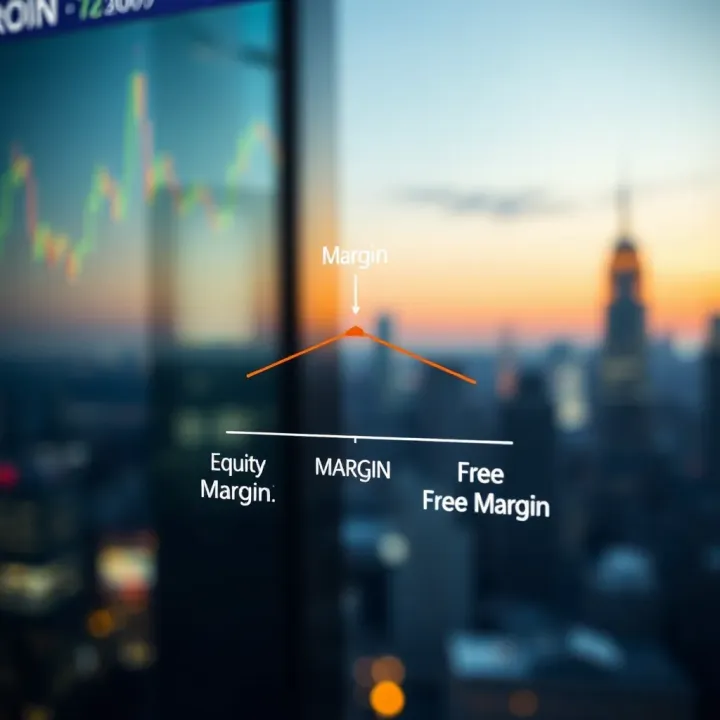
Free margin directly affects how aggressively you can trade. Knowing your free margin helps avoid being caught unawares when the market moves against you.
Here are some quick points to keep in mind:
Free margin = Equity - Used Margin. Smooth sailing depends on maintaining a positive free margin.
If your free margin approaches zero, you may face a margin call demanding more funds or reducing your open positions.
Larger leveraged trades consume more margin, thereby reducing free margin and increasing risk.
It’s crucial for South African traders, especially those using leverage, to track free margin. This helps avoid sudden losses in volatile markets and prepares you to react swiftly if Eskom’s loadshedding or unexpected political news hit the markets.
In the following sections, we’ll break down how free margin interacts with margin and equity, plus practical ways to monitor and use free margin to stay in control of your forex account. Understanding this balances your exposures and keeps your trading journey stable — even when the rand gets jittery.
Understanding free margin is essential for any trader aiming to navigate the forex market effectively. Free margin represents the amount of available funds in your trading account that can be used to open new positions or withstand potential losses on existing trades. Without a clear grasp of how free margin works, traders risk overextending themselves, leading to margin calls or forced closures of positions.
Free margin differs from margin and equity, and knowing this difference is crucial to managing your trades wisely. Margin is the portion of your account balance that you set aside to open a position. For instance, if you want to open a trade worth R100,000 with a leverage of 100:1, you might need R1,000 as margin. On the other hand, equity reflects the current value of your trading account, including any unrealised profits or losses from open positions. Free margin is the equity minus the used margin, representing funds you haven’t committed yet.
For example, if your equity is R10,000 and you are using R2,000 for margin on open trades, your free margin would be R8,000. This means you have R8,000 still available to open new trades or absorb losses.
Free margin directly points to your available trading power. It’s like having cash in your pocket after accounting for all committed expenses. Without sufficient free margin, you won’t be able to open new trades, no matter how promising the market looks. This readily available amount lets you respond to new opportunities or market shifts without needing to deposit additional funds immediately.
Free margin influences your ability to open new positions. If your free margin falls too low, your broker won’t let you place more trades until you close some positions or add funds. For example, a trader with only R500 free margin trying to open a R5,000 position will be rejected by the system. This prevents overexposure and protects both the trader and the broker from excessive risk.
Besides opening trades, free margin is a key part of risk and trade management. It shows how much cushion you have before getting a margin call — when the broker demands more funds to maintain positions or closes trades to limit losses. Keeping an eye on free margin helps you decide whether to scale down your positions to avoid hitting stop-out levels, or to add funds proactively.
Think of free margin as your safety net in forex trading — it allows you to trade with confidence while protecting your account from crashing unexpectedly.
In short, knowing and managing your free margin ensures you maintain control over your trading activities and reduce the chances of unwelcome surprises in volatile market conditions.
Free margin represents the amount of money in a trading account available to open new positions or sustain existing ones. It's a dynamic figure, directly linked to your account equity and used margin. Grasping how free margin is calculated helps traders manage their risks and position sizes more effectively.
At its core, free margin equals your account equity minus the used margin. Equity means the total value of your trading account, combining your deposited funds plus or minus any unrealised profits or losses from open positions. Used margin is the portion of your funds set aside to keep current positions open.
For example, if your account has R10,000 and your open trades require a margin of R2,500, your equity reflects these factors as well. Suppose one trade has gained R500 while another has lost R200, your equity becomes R10,300 (R10,000 + R500 - R200). Your free margin then calculates as Equity (R10,300) minus Used Margin (R2,500), resulting in R7,800 available for additional trades.
Traders must always check their free margin before placing new orders. If you attempt a position requiring more margin than your free margin offers, the broker will block the trade. For instance, with just R7,800 free margin, you can’t open a new position demanding R9,000 margin without closing or reducing existing trades.
Besides allowing new trades, free margin guides your position sizing. By knowing the available free margin, you choose position sizes that avoid overexposure and reduce the risk of margin calls. In a volatile market like South Africa's, where rand exchange rates can shift sharply, maintaining a comfortable margin buffer helps you weather price swings without sudden liquidations.
Keep in mind, free margin isn’t just a number—it’s your trading power. Managing it carefully safeguards your account and lets you seize opportunities without getting caught off guard.
Balancing your position size with your free margin translates into smart money management. When deciding trade sizes, consider how much of your free margin you’re willing to commit, bearing in mind that unexpected market moves can drain your equity, reducing free margin and leading to margin calls.
In short, understanding and using free margin properly is key to sustainable forex trading. It improves your ability to manage risk and capitalise on market moves while staying clear of margin-related pitfalls.
Managing free margin is essential to steer clear of margin calls, which can seriously disrupt your trading activity. Simply put, free margin is the cushion that allows you to absorb potential losses or open new positions without running out of available funds. If it drops too low, your broker may force closure of your trades to protect your account — something you want to avoid.
When your free margin falls beneath a certain threshold, known as the stop-out level, brokers issue a margin call. This is a warning that your account no longer has enough free margin to keep your positions open safely. For example, if your free margin dips below 50% of your used margin, depending on your broker, they may start closing your losing trades automatically to reduce risk.
Despite the term, a margin call in many platforms today might not involve direct contact. Instead, the system automatically liquidates positions to protect both parties. Knowing your broker's specific stop-out levels and policies is vital, especially in South Africa where market volatility and rand fluctuations can tighten margin unexpectedly.
Running out of free margin means you’ll either face forced liquidation of open trades or be unable to open new ones. This can lock you out of potential market opportunities or deepen losses as positions close at unfavourable prices. For instance, during bouts of rand weakness against the USD, a trader holding leveraged USDZAR positions without enough free margin might see sudden margin calls.
In extreme cases, an exhausted margin can lead to a negative account balance, especially if market gaps occur outside trading hours when prices jump unpredictably. While some South African brokers offer negative balance protection, not all do — so avoiding this situation by managing free margin well is crucial.
Spreading your exposure across different currency pairs or asset classes reduces the risk that a single adverse move wipes out your free margin. Instead of putting all your R10,000 trading capital into one USDZAR position, allocating smaller amounts across EURUSD and GBPUSD mitigates specific currency risks.
Diversification is especially practical in volatile markets like Mzansi’s, where local factors can affect the rand intensely compared to, say, the euro or pound. This broadens your chances to keep free margin stable while still engaging with lucrative trades.
Setting stop-loss orders limits how much you lose on any position, preserving your free margin for other trades. Suppose you buy EURUSD at 1.1000 but set a stop-loss at 1.0950; if the market moves against you, your loss is capped at 50 pips, preventing your equity and free margin from eroding too quickly.
This risk management tool is simple but powerful. Many South African traders neglect it and then get caught out during unexpected market jolts, such as sudden SARB rate decision announcements that stir forex rates.
Consistently checking your trading platform for free margin levels and overall equity gives you a better chance to respond before margin calls hit. Brokers often provide mobile apps and desktop alerts that notify you when free margin falls below certain levels.
Make it a daily habit to log in, especially after volatile sessions or when you make new trades. Staying informed lets you close or adjust positions early — keeping your account safer. For instance, during Eskom loadshedding hours, quick decisions about open trades can protect your margin if internet interruptions disrupt your trading.
Keeping a close eye on free margin and managing it actively prevents forced trade closures and supports healthier, more consistent trading performance.
Taking these steps helps traders stay in control and avoid waking up to unpleasant surprises like margin calls or stop-outs.
Having reliable tools to track your free margin can make all the difference when trading forex. Free margin tells you how much you can still risk before hitting a margin call, so knowing exactly where you stand helps you avoid sudden shutdowns of your positions. This is especially important as market moves can be quick and sometimes unforgiving.
MetaTrader platforms—both MT4 and MT5—are widely used in South Africa and worldwide for forex trading. Within your trading terminal, you’ll find free margin clearly shown in the ‘Trade’ tab, often alongside balance, equity, and used margin. This live figure updates instantly, reflecting your current account status after price movements and trade openings or closings. Its visibility helps traders spot when free margin is tightening, allowing swift action to reduce risk or add funds.
For example, if you notice your free margin dropping below a certain threshold, it’s a signal to consider closing some positions or reducing lot sizes. The platform's simple layout means you don’t have to chase complex calculations—your available trading power is right there on screen.
Many brokers integrated with MetaTrader offer alert features. These allow you to set personalised thresholds for free margin or other account metrics. Once triggered, you can receive notifications via email, SMS, or app pop-ups. This system keeps you informed even when you’re away from your desktop or phone, which is useful during busy days.
Say you set an alert for when free margin falls below R1,000. If market swings cause your margin to hit that level, you get an instant heads-up and can adjust trades earlier than waiting to check the platform manually. These safeguards add a layer of discipline and protect you from margin calls amid unexpected volatility.
South African forex traders should be aware of local market hours and international sessions that affect liquidity and price swings. The Johannesburg Stock Exchange closes at 5 pm SAST, while major forex activity often happens during London and New York sessions. Volatility tends to peak when these markets overlap, which can rapidly reduce free margin.
Adjusting your trading schedule or setting stricter risk limits during these periods helps maintain better control. For instance, trading smaller lot sizes during Friday afternoons when the market may be thinner also keeps your free margin safer.
The rand’s fluctuations affect your margin calculations when trading currency pairs involving ZAR or funding your account with rands. A weakening rand can erode your equity’s rand value, shrinking your free margin unexpectedly.
If you fund your account in rands but trade pairs priced in USD or EUR, keep a close eye on exchange rates. For example, if the rand depreciates swiftly against the USD, your account’s equity measured in rands might drop, leaving you with less free margin for new trades. Staying alert to SARB policy changes or global factors influencing the rand helps you anticipate these swings.
Properly monitoring free margin isn’t just about numbers—it’s a practical way to protect your capital from sudden losses and keep your trading confidence intact.
Using the tools your broker gives you, combined with awareness of the local trading environment, gives you a solid advantage when managing free margin.
Understanding free margin is a stepping stone towards better decision-making in forex trading. By getting a clear picture of how free margin interacts with equity and used margin, traders can gauge their actual risk exposure and available buying power. For example, if your account equity drops due to an open position losing value, your free margin will shrink, limiting your ability to open new positions. This dynamic reflects why keeping an eye on free margin is key to avoid unexpected margin calls that can close positions prematurely.
Free margin represents the funds in your trading account that are not tied up in current trades but are available to open new positions. It directly depends on your equity and used margin and fluctuates as markets move and your open trades gain or lose value. Maintaining a healthy free margin buffer lets you manage your trades flexibly, avoid forced position closures, and adapt to market volatility. Monitoring it alongside margin levels and equity allows for smarter risk management, which is crucial in volatile markets like the South African rand paired forex pairs.
Discipline plays an outsized role in managing free margin effectively. Start by setting strict limits on how much margin you commit per trade—say, risking no more than 10-20% of your free margin at a time. Use stop-loss orders to protect against large swings that could erode your equity and free margin quickly. Regularly review your account status before placing new trades, especially during periods of increased market volatility like around SARB announcements or US Federal Reserve statements that impact forex rates.
Keep emotions in check by sticking to your trading plan rather than chasing market moves impulsively. For instance, if your free margin dips below your set threshold, avoid opening new trades and focus on managing existing positions or closing loss-makers. Make it a habit to check your free margin levels on your broker’s platform—MetaTrader and others offer real-time displays and alerts, helping you stay ahead.
Taking control of your free margin is less about complex calculations and more about consistent habits that protect your capital and strengthen your trading posture.
Ultimately, controlling your free margin empowers you to be an adaptive trader who can weather market ups and downs without getting caught off-guard. With practice, you’ll handle risk better and make more informed trading decisions relevant not only to global forex but also within the uniquely volatile environments of South African financial markets.
📊 Learn how pips calculators simplify forex trading by helping you calculate trade values and manage risk effectively. Master your trades today!
📈 Explore synthetic trading in South Africa: how combining financial instruments can replicate asset payoffs, manage risk, hedge, and seize market chances efficiently.
📊 Explore synthetics trading basics, benefits, risks, and platforms. Clear insights for South African traders looking to expand investment options.
Explore The 5ers funded forex program! Learn how to grow capital without risk, understand the evaluation, funding, and benefits for South African traders 💹🇿🇦
Based on 14 reviews