

Understanding One Voucher Benefits in South Africa
Explore the One Voucher system in South Africa 🇿🇦: learn benefits, usage tips, eligibility, and its role in boosting financial inclusion and consumer habits.
Edited By
Emma Prescott
Vouchers have become a common tool in South Africa for saving money and encouraging consumer spending. From gift vouchers at your local mall to digital discount codes on Takealot, these small pieces of paper or digital codes pack a surprising punch in everyday transactions.
At their core, vouchers represent a pre-paid value or offer that consumers can redeem for goods, services, or discounts. For traders and businesses, they act as strategic assets to attract customers, control promotions, and improve cash flow before goods or services are delivered.
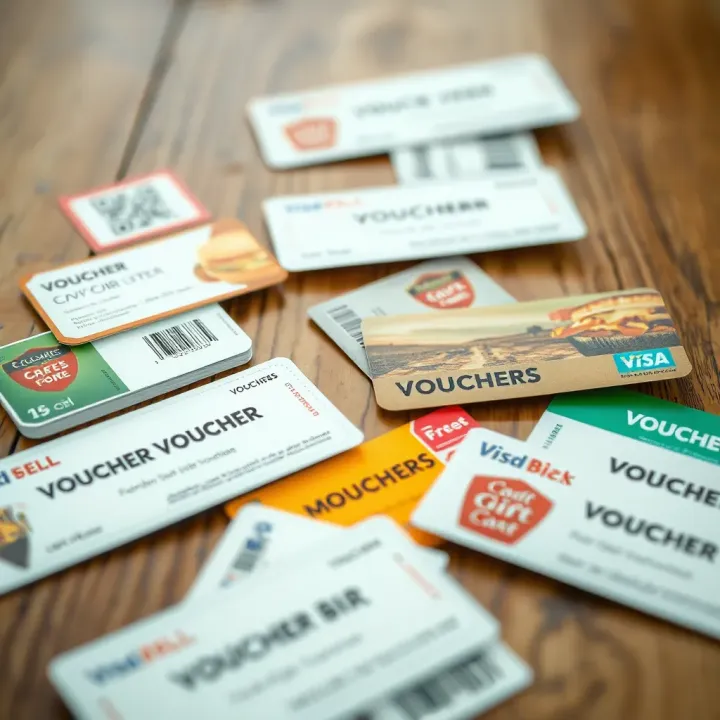
Understanding how various voucher types work—and their legal backdrop—can help investors and consultants advise clients better and help traders optimise their voucher programmes for both compliance and profit.
South African consumers often use three main types of vouchers:
Gift vouchers: Pre-loaded with a cash value to spend at specific stores or chains. For example, a R500 Woolworths gift voucher usable nationwide.
Discount vouchers: Offer percentage or fixed-amount reductions on purchases, such as a 10% discount on Mr Price clothing.
Service vouchers: Typically redeemable for experiences or services—think of spa vouchers or dining credits at restaurants.
These vouchers commonly feature expiry dates and terms, governed by South African Consumer Protection Act (CPA) stipulations. Traders must clearly communicate conditions and not impose unfair restrictions that could void the voucher’s value prematurely.
Using vouchers smartly helps consumers stretch their budgets, especially during peak spending periods like the December festive season or mid-year sales. For businesses, vouchers can boost sales during slow months or help clear stock.
Knowing which voucher type suits a particular campaign is vital for financial analysts and brokers advising retail or service clients. Creatively structured voucher schemes can provide competitive edges and measurable growth in revenue.
In short, vouchers are more than just promotional tools—they're financial instruments influencing consumer behaviour and business strategy. Mastering their use is an asset for any professional keeping an eye on South African markets.
Understanding what a voucher is and how it works lays the foundation for making the most of these financial tools. Vouchers serve as a form of prepaid or discount instruments designed to give consumers upfront value or incentives. Their practical importance lies in offering flexibility; for example, a prepaid voucher can act like cash that can only be spent at particular stores or on specific services, while discount vouchers reduce costs on goods and services during checkout.
Issuers often provide vouchers to stimulate sales, reward loyal customers, or clear stock. For instance, during the end-of-season sales at a retailer like Woolworths, discount vouchers encourage shoppers to buy more. Similarly, businesses may issue vouchers as a gesture during promotional events or to welcome new customers. The goal is to create a simple, effective way to attract or retain clients without complicated contracts or commitments.
Vouchers are essentially certificates or digital codes that represent either prepaid amounts or discounts toward particular goods or services. For example, a R200 prepaid voucher bought at a supermarket can later be used to purchase groceries worth the same amount. On the other hand, a voucher offering 10% off a meal at a restaurant gives an immediate price reduction at the point of sale.
These instruments are popular because they provide a clear benefit without needing cash transactions every time. They simplify buying, gift-giving, and promotional offers. Plus, in a country like South Africa where managing household budgets carefully is common, vouchers can help stretch the rand while allowing some choice on how to spend.
Businesses issue vouchers primarily to attract customers, encourage repeat purchases, or promote new products. For example, a telecom provider like Vodacom might send out data vouchers to prepaid customers, prompting them to top up and stay connected. Retail stores often hand out vouchers as part of loyalty programmes to reward regular shoppers and keep them coming back.
Additionally, vouchers smooth cash flow for companies and reduce immediate discounts on all sales. Instead of lowering prices outright, businesses offer vouchers redeemable later, encouraging planned spending and often driving customers to specific outlets or platforms.
Gift Vouchers and Prepaid Cards serve as substitutes for cash in specific locations. Retailers like Takealot and Checkers provide physical or electronic gift vouchers that recipients can spend at their convenience. These are popular as presents since they let the recipient choose what they want, avoiding the risk of buying unwanted items.
Prepaid cards, often linked to a store or service, can hold funds in advance. For instance, a Mr D food delivery prepaid card lets users order meals without immediate payment each time, making budgeting easier.
Discount or Promotional Vouchers offer price reductions, such as a 20% discount on fuel at Engen stations or 'buy one, get one free' at Pick n Pay during special sales. These vouchers are typically limited by time or specific items and incentivise immediate purchases.
Service Vouchers and Meal Vouchers are common in employment or hospitality contexts. Employers may give meal vouchers for staff to use at partner restaurants or cafeterias. Similarly, service vouchers might cover car washes, spa treatments, or even mobile data bundles. In South Africa, this system helps especially with controlled spending and supporting employee wellbeing.
Vouchers come in many forms but share the purpose of offering value and convenience, whether you’re a business aiming to boost sales or a consumer looking to save money efficiently.
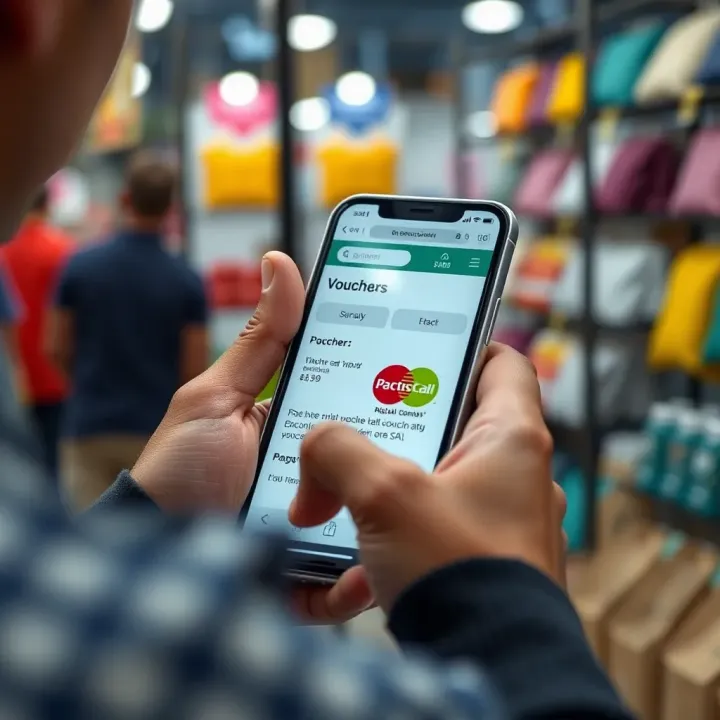
Understanding these basic elements equips you to spot or issue vouchers wisely, making them useful tools in everyday South African financial life.
Vouchers serve as a valuable tool for South African consumers aiming to stretch their rand without compromising on quality or choice. They offer practical benefits that help households navigate rising costs, especially in sectors like retail and hospitality where everyday spending can add up quickly. Understanding how to use vouchers effectively can translate into real savings and added convenience.
Discount vouchers are quite common in South African retail stores like Checkers and Pick n Pay, as well as hospitality venues such as Spur or Mugg & Bean. For example, during store promotions, a 10% discount voucher can mean the difference between paying R500 or R450 on a weekly grocery shop. Similarly, restaurants may offer vouchers that reduce the bill by a fixed amount or provide a free starter, making dining out more affordable. These vouchers help consumers lower their expenses without sacrificing the goods or experiences they enjoy.
Using vouchers during special events or seasonal sales is a smart way to maximise value. For instance, the festive season sees many retailers issuing vouchers that stack with existing sales, effectively doubling the discount. Similarly, online outlets like Takealot often release vouchers during key shopping days like Black Friday or Cyber Monday, allowing savvy shoppers to grab electronic gadgets or homeware at a fraction of the regular price. These limited-time vouchers encourage consumers to plan purchases and benefit from substantial cost reductions.
Vouchers make excellent presents owing to their flexibility. Instead of guessing what a friend or family member might want, a gift voucher lets the recipient decide when and what to buy. This is especially handy in South Africa where tastes can vary widely and people might prefer to pick products at a later date. For instance, a Woolworths gift voucher caters to groceries, clothing, or homeware, turning it into a thoughtful yet practical present.
Using vouchers is usually straightforward across various outlets. Many stores accept physical vouchers as well as digital codes, which can be redeemed either in-store or online. This ease of use removes the hassle of carrying cash or worrying about exact change. Moreover, mobile apps and newsletters often notify customers of new vouchers, enhancing real-time access and convenience. So whether it’s redeeming a restaurant voucher on a weekend outing or using a fuel discount voucher at an Engen or Sasol petrol station, the process tends to be smooth and consumer-friendly.
Saving money and enjoying convenience through vouchers is a way to make your daily spending more efficient without feeling limited. Knowing when and where to use them can add up to significant gains, especially in the South African context where household budgets can be tight.
By recognising these benefits, consumers can make vouchers an integral part of their spending habits, gaining both value and choice while navigating local economic pressures.
For many businesses in South Africa, vouchers have become a go-to tool for attracting customers and nurturing loyalty. This straightforward approach offers a low-risk way to increase foot traffic or online sales, especially in competitive sectors like retail, hospitality, and services. When done well, vouchers don’t just bring shoppers through the door—they encourage a relationship that can keep customers coming back.
Using vouchers to drive sales allows businesses to create targeted promotions that appeal directly to their audience. For example, a local café in Durban might offer a R50 meal voucher to first-time customers or during quieter hours to boost demand. This can entice people who wouldn’t otherwise visit the shop to try the offerings. Retailers, like a clothing store in Cape Town, often release seasonal discount vouchers via social media or newsletters, driving quick bursts of sales, especially during festive or clearance sales.
Rewarding repeat customers with vouchers is about saying thank you and encouraging ongoing business. Many South African retail chains and spas offer loyalty vouchers after a certain number of visits or purchases, giving customers a tangible reward to look forward to. This not only boosts repeat sales but also strengthens goodwill and word-of-mouth recommendations. For example, a gym might hand out monthly vouchers as part of a membership perk scheme, which motivates members to maintain their subscriptions.
Analysing voucher redemption rates helps businesses understand the real impact of their promotions. If a wallet of 1,000 vouchers results in only 100 redemptions, this may indicate poor targeting or unattractive offer terms. Monitoring these rates assists in refining future campaigns to better match customer preferences. For instance, an online electronics store can track which vouchers perform best (percentage discount vs fixed amount), adjusting the strategy to increase returns.
Controlling promotional budgets often presents a challenge, but vouchers give businesses precise control over how much they spend on discounts. Unlike broad sales, vouchers set the maximum discount per transaction and the total number of discounts available. This avoids unforeseen loss and wasted marketing spend. A restaurant chain across Gauteng might limit a voucher campaign to 500 redemptions, helping keep costs predictable while still driving measurable sales growth.
Effectively designed voucher campaigns act as both a sales accelerator and a marketing compass, providing clear insight into customer behaviour and spending patterns.
Ultimately, vouchers offer businesses a powerful and flexible way to attract new clients, foster loyalty, and keep promotional efforts financially manageable—qualities highly valued in South Africa’s diverse and rapidly evolving market landscape.
Understanding the legal framework and best practices around vouchers is vital for businesses and consumers in South Africa. Clear knowledge of these aspects helps avoid disputes and ensures fair use. For traders and investors, it can also influence how vouchers are designed and promoted, reducing risks while boosting customer confidence.
South Africa’s Consumer Protection Act (CPA) has specific rules about vouchers — especially concerning expiry dates and refunds. For example, vouchers should clearly state their validity period, giving consumers fair opportunity to redeem them. Expiry dates cannot be unreasonably short; this protects shoppers from losing value unexpectedly. If a business refuses to honour a valid voucher or imposes hidden fees, consumers can lodge complaints with the National Consumer Commission.
Clarity in voucher terms also matters a great deal. Every voucher should outline the conditions of use plainly, such as where it’s valid, if it applies to sales items, or minimum spend requirements. This transparency cuts down on confusion and protects both businesses and clients, preventing negative feedback or legal action. For instance, a restaurant issuing meal vouchers must specify whether these exclude wine or specials to ensure customers know exactly what’s included.
Expiry date problems are among the most frequent complaints. Sometimes vouchers expire too soon, or customers miss essential notification about deadlines. For businesses, setting practical expiry terms and reminding customers through SMS or email can avoid losing goodwill. Customers, on their side, should check expiry dates soon after purchase to plan redemption safely.
Voucher fraud is an increasing concern. Scammers sometimes sell fake vouchers or intercept legitimate ones to use fraudulently. It is advisable for consumers to buy vouchers directly from recognised retailers or trusted platforms only. For businesses, using secure voucher codes and monitoring redemption patterns can spot suspicious activity early. Educating customers about spotting fake vouchers adds an extra layer of defence.
Knowing your rights and responsibilities when it comes to vouchers helps protect your money and reputation. Clear terms, fair expiry dates, and vigilance against fraud keep the system working smoothly for everyone.
Always state voucher terms clearly and visibly.
Set reasonable expiry periods with proper communication.
Buy and sell vouchers through trusted sources.
Watch out for unusual redemption patterns that might signal fraud.
By following these legal aspects and best practices, South African consumers enjoy safer shopping experiences, while businesses build trust and avoid costly disputes.
Making the most of vouchers means understanding where to find reliable deals and how to use them properly. Savvy traders and investors often spot opportunities through well-maintained voucher systems, helping them cut costs or enhance customer offerings. Given the myriad of voucher options in South Africa, knowing trusted sources and redemption strategies is key to avoiding disappointments and maximising benefit.
Many South African retailers and service providers offer vouchers through their official websites or in-store promotions. Big names like Woolworths, Pick n Pay, and Makro regularly provide discount vouchers, especially during seasonal sales or events like Black Friday. Additionally, e-commerce platforms such as Takealot provide vouchers as incentives on specific product categories or brands, presenting valuable opportunities for those looking to optimise spending.
Local travel and hospitality also feature voucher deals. Checkers Sixty60 and Mr D Food occasionally release discount vouchers via their apps or email newsletters. These reliable offers help stretch budgets without sacrificing convenience.
Apps designed to track deals and vouchers in South Africa have become increasingly popular. For instance, SnapScan and Zapper sometimes feature exclusive promotions accessible via their platforms. Dedicated voucher apps aggregate local deals, giving users a quick overview of available discounts without searching retailer sites individually.
Newsletters from established deal aggregators or financial bloggers deliver curated vouchers directly to subscribers. This helps traders and consultants stay informed about limited-time offers relevant to daily expenses or corporate spending. Signing up for newsletters from platforms like RetailMeNot South Africa or MyBroadband deals can provide a steady stream of reliable voucher options.
Before trying to use a voucher, carefully verify its conditions. Many vouchers come with expiry dates or apply only to certain products or services. Overlooking these details can lead to rejection at checkout and lost savings. For example, a discounted meal voucher might only be valid on weekdays or exclude public holidays.
Also, some vouchers specify minimum purchase amounts or are limited to one per transaction. Reading these terms upfront prevents unnecessary frustration and helps plan your purchases with confidence.
Always double-check expiry dates and terms to avoid surprises. It’s better to use a voucher sooner rather than later, especially with popular South African promotions that may have strict usage periods.
Redeeming vouchers usually requires showing a printed copy, a digital code, or a barcode on your mobile device. Retailers often accept digital vouchers displayed from your phone, but it's worth confirming beforehand. Some smaller outlets might prefer a printed voucher to scan or validate.
For online purchases, enter voucher codes carefully during checkout. Double-check for any typing mistakes as one wrong character can invalidate your discount. Keep a screenshot or copy of your voucher just in case technical issues arise during the transaction.
By understanding where to find trustworthy vouchers and how to use them effectively, you can truly benefit from what the South African market offers. This practical approach helps minimise errors and maximise financial advantages for traders, investors, and consultants alike.
Explore the One Voucher system in South Africa 🇿🇦: learn benefits, usage tips, eligibility, and its role in boosting financial inclusion and consumer habits.

📱 Discover Deriv Go’s key features, how South Africans can start trading safely, and the benefits it offers in local and global financial markets. 💹

📄 Discover how to register for DERIV in South Africa, covering key steps, required documents, common hurdles, and expert tips for both individuals and businesses.

📈 Learn how South African stock indices work, their impact on market performance, and why they're essential for every investor's toolkit in SA.
Based on 6 reviews