
Binary Trading Apps Explained for South African Users
🔍 Learn how binary trading apps operate, their risks, and legal points. Get practical tips for safe trading in South Africa’s market to suit your risk appetite and style.
Edited By
Sophie Wheeler
Binary investment is a simple concept at first glance but can be tricky once you unpack it. Essentially, it’s about predicting whether an asset’s price—like a share, commodity, currency, or index—will move up or down within a set timeframe. If your prediction is correct, you stand to earn a fixed payout. If not, you lose the amount you invested.
In South Africa, these assets often include JSE stocks, commodities like gold and platinum, or forex pairs such as ZAR/USD. Binary investments don’t involve buying the actual asset; instead, you bet on a price direction within a short window—typically minutes or hours, sometimes days.

Keep in mind, binary investing isn’t the same as traditional stock trading. While it offers clear-cut outcomes, the risk of losing your full stake on a wrong call is high.
Unlike conventional investments where value fluctuates and you might recover losses over time, binary options are all-or-nothing bets. This feature makes the stakes clear, but also raises the risk involved.
Key features of binary investing include:
Fixed expiry times: Trades close automatically at a pre-set time.
Simple yes/no decision-making: Will the price rise or fall?
Known potential payout or loss upfront: No surprises after placing the trade.
South African investors should understand that returns are capped, so even if the asset moves sharply in your favour, profits don’t exceed the agreed payout. Conversely, losing means forfeit of the entire stake.
It’s worth noting that the simplicity of binary investments can be appealing for newcomers, but the market is rife with scams, especially from overseas platforms. Always verify that the broker or platform is regulated by the Financial Sector Conduct Authority (FSCA) or a recognised international regulator.
In short, binary investing offers quick potential returns but comes with significant risks. Being well-informed helps you decide if it fits your investment style and risk tolerance.
This article will guide you through the essentials—how it works, what pitfalls to watch for, and practical tips tailored to South African investors.
Binary investment has gained traction among South African investors looking for straightforward, time-bound opportunities to profit from price movements. It involves a clear yes-or-no wager on whether an asset's price will rise or fall within a set period. This simplicity attracts both new and experienced traders who want to avoid the complexities of traditional markets.
Understanding the basics is crucial before putting your money on the line. Binary investment can be tempting due to its fixed payout structure, but it carries unique risks and requires a different mindset compared to typical share trading or forex. Knowing the mechanics, the assets involved, and what sets binary options apart will help you make better decisions and avoid common pitfalls.
At its core, binary investment lets you predict whether an asset's price will go up or down by a specific expiry time. Unlike buying shares or forex in the usual sense, you’re not owning the asset but betting on the direction of its price movement. For example, if you pick a forex pair like USD/ZAR and expect it to rise in the next 15 minutes, you place a trade to reflect that. A correct prediction earns a fixed payment, while a wrong one means you lose your stake.
This all-or-nothing approach means you know your potential reward and risk upfront. It simplifies decision-making but means you can’t profit beyond the agreed payout, nor lose more than your initial investment. This neat packaging appeals to straightforward investing but requires discipline.
Traditional investments, like buying shares or bonds, usually offer ownership or entitle you to dividends or interest. Their value can fluctuate widely and returns aren’t fixed. You can hold assets indefinitely, riding out market swings.
Binary investments, however, are short-term contracts that expire, paying a fixed sum or nothing. You’re not building a portfolio but engaging in speculative bets with defined end points. The focus is on timing and price direction rather than long-term asset value growth. This makes binary investing more like a wager or game, which some find exciting but others see as risky speculation.
Forex, or foreign exchange pairs, are popular in binary trading because they’re highly liquid and fluctuate often. Common pairs like USD/ZAR, EUR/USD, or GBP/ZAR offer quick price changes ideal for short expiry times. For South African traders, local currency pairs provide familiarity, but it’s worth watching global economic news that impacts currencies.
Binary trades on forex pairs involve betting on whether a currency will strengthen or weaken against another within minutes or hours. Quick reactions to events such as interest rate announcements from the South African Reserve Bank (SARB) can affect these prices.
Binary options on shares let you speculate on individual company stocks without owning them. For instance, you might bet on whether Sasol, Naspers, or Shoprite shares will rise or fall by the end of the trading day.
This approach provides access to well-known companies without the hassle of traditional share trading. However, binary options ignore dividends or voting rights, focusing only on price movements within short time frames. It suits traders looking for quick chances rather than long haul investment.
Commodities like gold, platinum, and oil are staples of binary trading due to their price volatility. South Africans familiar with mining sectors might find gold or platinum binaries particularly relevant.
Prices react swiftly to supply disruptions, geopolitical events, and South African mining news. Betting on commodities means speculating on how these factors push prices up or down soon, such as predicting the effect of unrest in mining areas on platinum prices.
Market indices represent baskets of shares and reflect overall market health. Examples include the JSE Top 40 index or international indices like the S&P 500.

Binary trading on indices offers exposure to broader market trends, ideal if you prefer not to focus on a single company. Say you expect the JSE Top 40 to rise before month-end due to strong corporate earnings – you can place a binary trade on this direction.
Index binaries smooth out individual stock volatility but can still reflect sudden market shifts, providing tactical opportunities in short bursts.
Binary investment offers a neat, time-bound method for speculating on asset prices. However, its all-or-nothing nature means understanding the underlying asset classes and price drivers is vital before risking your Rand.
Understanding how binary investments operate in real trading scenarios helps South African investors grasp the practicalities and challenges involved. Binary options boil down to predicting whether an asset's price will increase or decrease within a certain time frame. This simplicity can be appealing but also demands a clear grasp of key elements such as choosing the right asset, timing the expiry, and managing varying outcomes.
Choosing the asset and expiry time is the first step. Traders must decide which asset they want to trade—could be a forex pair like USD/ZAR, a commodity such as gold, or a local share listed on the JSE. Selecting the right asset depends on your knowledge and current market conditions. For expiry time, options might range from as short as 60 seconds up to days or weeks. Picking an appropriate expiry is crucial since shorter times require quick decisions, while longer times expose you to more market unpredictability.
Next is predicting price movement. You’re basically betting on whether the price will close above or below a certain level at expiry. This means analysing market trends, news, or technical charts. For example, if you expect Eskom’s latest load-shedding announcements to affect the rand’s strength against the dollar, you might predict the USD/ZAR will rise or fall accordingly. This requires careful, informed speculation rather than guesswork.
Outcome scenarios are binary—in other words, there are only two: either you get a fixed payout if your prediction is correct or you lose the amount you invested in that trade. Suppose you bet R500 on the rand strengthening and you’re right; you might get a 75% return on your investment (R875 total). If you’re wrong, you lose your R500 stake. The all-or-nothing nature means risk management is key.
The most straightforward type is high/low options. Here, you predict if the asset’s price will end higher or lower than the current price at expiry. This method suits beginners due to its simplicity and clear rules.
One-touch options work differently. You pick a price target, and if the asset’s price touches that level at any point before expiry, you win. For example, betting that gold will hit R30,000 per kilogram before the end of the day. These options often carry higher payouts but also greater risk and uncertainty.
Lastly, range options require predicting if the price stays within a set boundary until expiry. Say you expect the rand to hover between R14.50 and R15.00 against the dollar during the afternoon session without breaking out. Range options can be useful if you anticipate low volatility periods but tend to offer lower returns than one-touch or high/low options.
Binary investing’s appeal is in its clear, fixed outcomes, but understanding how trades work in practice safeguards your money and sharpens decision-making. Always tailor your trades around your knowledge of local and global markets to improve your chances.
All in all, mastering these practical steps gives South African investors a better footing to navigate the often volatile landscape of binary trading. Knowing how to place trades, understand outcomes, and use different option types are the building blocks for any serious trader.
Binary investment offers a clear-cut proposition: predict whether an asset’s price will rise or fall within a set period and potentially earn a fixed payout. However, understanding both the upside and the inherent risks is essential to make an informed decision. This section breaks down what traders can expect in terms of returns and losses, as well as key risks unique to this trading style.
Binary investments come with a fixed payout, meaning you know upfront the exact amount you stand to gain if your prediction is correct. For example, if you invest R1,000 on a share price rising and the payout is 80%, you’ll receive R1,800 — your initial stake plus R800 profit. This simplicity appeals to traders because it removes uncertainty about returns, unlike traditional stocks where profits or losses can fluctuate widely.
The fixed payout also helps traders calculate risk and reward quickly before placing a trade, making it easier to devise a strategy or limit potential losses. It’s straightforward: you either win the predefined payout or lose your stake, which is why many South African investors find binary options handy for short-term speculation.
On the flip side, if your prediction is wrong, you lose the full amount you invested on that trade. Using the previous example, if the share price doesn't move as forecast, you would lose your entire R1,000. This all-or-nothing approach means that while gains are fixed, losses can be total and happen quickly.
For instance, during times of sudden market changes like a foreign exchange move after a political announcement, even experienced investors can misread the direction. The loss can mount up rapidly without careful risk controls. Therefore, investors must be prepared for the reality that binary trading can wipe out capital fast if trades go against them.
Binary investments are highly sensitive to market fluctuations. Sudden moves in forex rates, commodity prices, or indices can alter outcomes in minutes or seconds. This volatility increases the chance of losing trades despite careful analysis.
Consider a South African trader betting on the Rand-dollar rate before a SARB interest rate decision — unexpected outcomes can cause rapid price swings. Market noise can sometimes trigger losses in high/low options even if the longer-term trend seems apparent. Traders need to watch the market closely and understand that volatility can be both an opportunity and a hazard.
Not all binary trading platforms operate with the same level of transparency and security. In the South African context, there have been instances where platforms display manipulated prices or delay withdrawals, putting investors at risk of losing funds unfairly.
Choosing a regulated platform with a good reputation reduces this risk. It's crucial to verify if the platform is licensed locally or recognised by credible international authorities. Taking the time to look at user reviews, complaints, and platform policies can save you from scams or unreliable services.
Binary trading’s quick returns and fixed odds can foster addictive behaviour, much like gambling. The temptation to ‘chase losses’ by investing more after a bad run can lead to significant financial harm.
For example, a trader might increase stakes hoping to recover losses, only to compound them further. Managing your bankroll and setting strict limits on trade size and frequency is critical. Traders should treat binary investments as speculative tools rather than steady income sources to avoid detrimental patterns.
Remember, while binary investments can seem straightforward, the risks require vigilance and disciplined money management to trade safely.
Understanding the regulatory framework surrounding binary investments in South Africa is key to protecting your funds and making informed decisions. The legal landscape is still evolving in this space, which means investors need to stay vigilant about who they deal with and what the law says.
The Financial Sector Conduct Authority (FSCA) is South Africa’s main watchdog for financial services, including investment products. Its job is to ensure markets operate fairly and transparently, and that consumers are protected from scams or misleading practices. While the FSCA does not currently regulate all binary trading platforms directly, it has issued warnings to alert investors about the risks linked to unlicensed operators. This means if a platform isn’t registered with the FSCA, you’re exposed to greater legal risks and potentially unscrupulous activities.
Currently, most binary options trading platforms operating in South Africa are not licensed or authorised by the FSCA. This absence of official approval means South African investors using these platforms do so at their own risk. Some platforms may operate offshore and claim lenient regulatory oversight, but this often makes it hard to seek redress if things go sideways. For example, there have been instances where local traders lost money to fraudulent binary options websites that vanished without trace.
Legal risks for investors mainly revolve around the lack of consumer protection and the possibility of falling victim to fraud. Unlike regulated shares or forex trading, binary options can be sold by entities with questionable credentials. If a platform defaults, denies withdrawals, or manipulates signals, you may have little recourse through South African law. The FSCA continues to caution that these products are high risk and often exploited by scams, pushing the message that investors should only trade with approved financial service providers.
Spotting fraudulent schemes in the binary investment world requires a sharp eye. Common red flags include promises of guaranteed high returns with little or no risk, unsolicited offers via email or WhatsApp, and platforms that lack clear contact details or a physical address. Scam sites often pressure you to deposit more money quickly or offer bonuses that seem too good to be true. These tactics aim to create a false sense of security, but in reality, they often hide underlying malpractices.
Doing your homework and due diligence is crucial before parting with your hard-earned Rands. Check if the platform is licensed by the FSCA or a reputable regulator elsewhere. Look for online reviews from South African traders and verify the company’s registration details through the Companies and Intellectual Property Commission (CIPC). Never rush into deposits without understanding terms and conditions and the withdrawal process. Keeping up with FSCA alerts and warnings can also help you stay ahead of potential scams.
Remember: In unregulated or lightly regulated markets like binary options, the responsibility largely rests on you to protect your investment by choosing trustworthy platforms and knowing the legal boundaries.
In summary, South African binary investors should prioritise trading through regulated avenues and keep a watchful eye for warning signs of fraud. While the prospect of high returns may tempt many, guarding your capital with informed legal awareness and careful platform selection can save you significant headaches down the line.
Selecting the right binary trading platform is one of the most practical steps for South African investors looking to navigate the binary options market safely and efficiently. The platform acts as your gateway to binary investments, influencing everything from the types of trades you can place to the security of your funds. Understanding which features matter most can save you time and protect your capital.
In South Africa, the Financial Sector Conduct Authority (FSCA) oversees financial products, but binary options remain a grey area with few fully regulated providers locally. It’s essential to pick platforms licensed by respected authorities such as the UK’s FCA or Australia’s ASIC. This external regulation means you’re less likely to encounter scam sites or unfair trading practices. For instance, platforms without clear licensing often delay withdrawals or manipulate trade execution, which can cost investors dearly.
A clean, intuitive user interface isn’t just a nice-to-have; it actively helps avoid mistakes. You want to spot available assets, check expiry times, and place your trade quickly, especially in the fast-moving currency or index markets. Platforms that clutter screens with excessive ads or complicated menus make trading confusing, increasing the risk of errors. South African traders often mention that platforms with mobile-friendly designs, such as a well-optimised app, suit the local lifestyle where many trade on the go.
The variety of assets offered can significantly affect your trading strategy. Some platforms limit you to a handful of forex pairs, while others include local equities like Sasol or shoprite, commodities like gold and platinum, or indexes such as the JSE Top 40. Having a broad choice lets you diversify and find the markets you understand best. Expiry times should also vary — from 60 seconds for quick trades to several hours. A platform offering flexible expiry allows you to match your predictions more precisely with market movements.
Reliable and fast payment processing is crucial. Look for platforms that support popular South African deposit options like EFT (Electronic Funds Transfer), credit/debit cards, or even PayFast. Equally important is the withdrawal process — a platform that takes weeks and multiple follow-ups to release your winnings is a red flag. Read user reviews to gauge how smoothly withdrawals run. For example, some platforms have automated systems that process withdrawals within 24 to 48 hours, saving you unnecessary hassle.
Most trusted platforms offer demo accounts where you can practise with virtual money before risking your own. This approach is vital because it helps you understand market dynamics, test strategies, and get comfortable with the platform interface, all without financial pressure. Going in cold can cause rookie mistakes; a demo account bridges that gap effectively.
Binary trading is high-risk, so setting limits from the start safeguards your wallet. Decide on a maximum amount per trade and a daily loss cap. Many platforms let you automatically stop trading once these limits hit. For instance, if you cap trades at R500 and lose R2,000 in a day, the system should prevent further exposure. It’s a practical habit that helps avoid chasing losses — a common pitfall in binary investment.
Record keeping is often overlooked but plays a key role in improving your strategies and meeting tax requirements. Maintaining a simple spreadsheet of your trades, dates, assets, outcomes, and amounts invested lets you periodically review your performance and identify patterns. Plus, SARS (South African Revenue Service) may require proof of income from trading, so having neatly organised records saves headaches during tax season.
Choosing a regulated platform with a user-friendly design, flexible trading options, and reliable payments sets the foundation for safer and smarter binary trading in South Africa. Combine this with disciplined risk management and thorough recordkeeping to protect your investment and build confidence.
This knowledge will serve you well whether you’re just trying your hand or moving towards more serious trading in binary options.
🔍 Learn how binary trading apps operate, their risks, and legal points. Get practical tips for safe trading in South Africa’s market to suit your risk appetite and style.
🔐 Learn how to log into Deriv smoothly in South Africa. Get tips on creating accounts, tackling login hiccups, and keeping your info safe online.

Explore peer-to-peer trading in South Africa 🔄 Learn how it works, its risks, benefits, and tips to trade safely in this growing market.
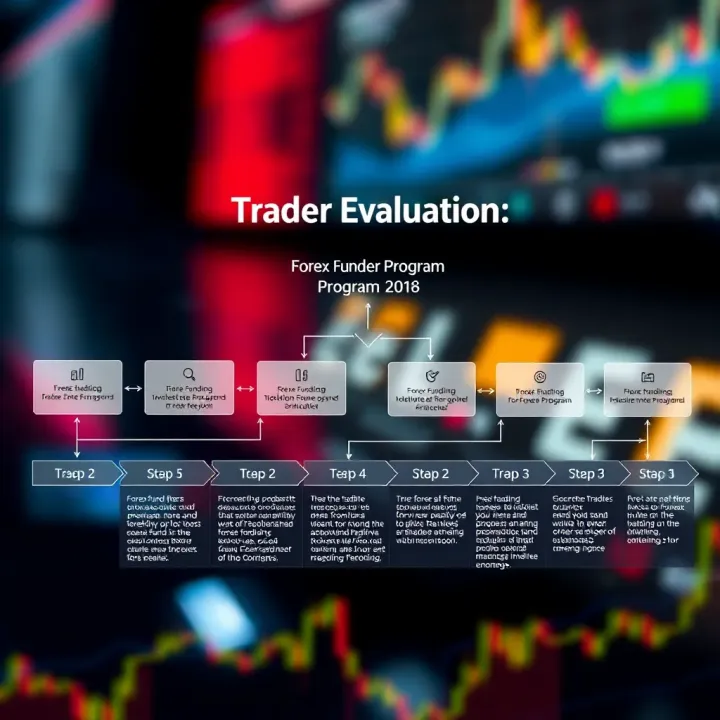
💹 New to forex trading? Learn what a forex funder is, how to qualify as a funded trader, avoid risks, and grow your skills in South Africa's market.
Based on 6 reviews