

Tesla's Impact on Electric Vehicles and Sustainable Transport
🌍 Discover how Tesla drives sustainable transport in South Africa and beyond, shaping the electric vehicle market with innovation, tech, and bold strategies 🚗⚡
Edited By
Ethan Mitchell
Crude oil prices don’t just sway global markets—they directly affect South Africa’s economy and everyday life, from your bakkie’s fuel tank to inflation at the supermarket. Understanding what drives these prices is key for traders, investors, and analysts who want to keep a close eye on potential impacts.
At the heart of oil pricing is the interplay between supply and demand. When global production dips or demand surges—like during a harsh winter or major political unrest—prices usually rise. Conversely, if production ramps up or demand cools down, prices tend to fall. Countries such as Saudi Arabia, Russia, and the United States, which control a big chunk of global production, can sway prices with their output decisions.
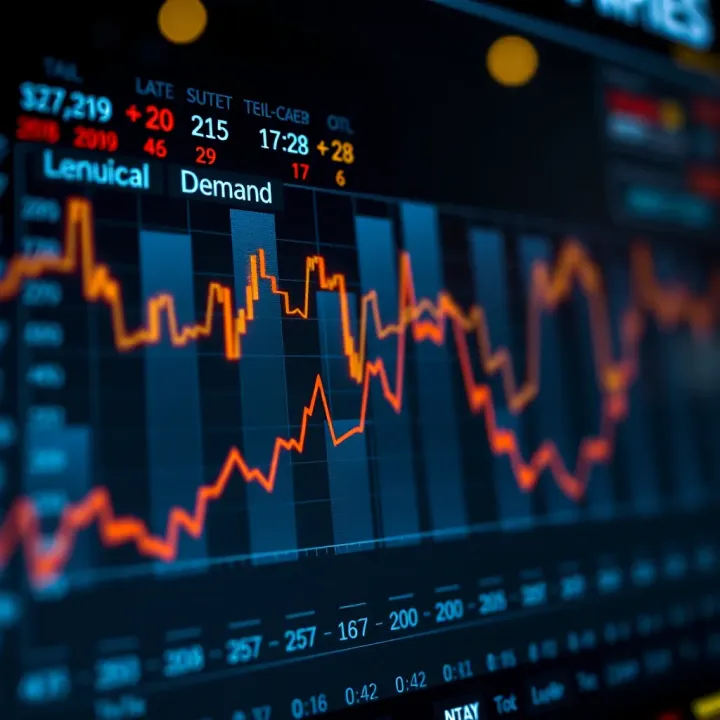
Currency fluctuations also play a big role, especially since crude oil trades in US dollars. When the rand weakens against the dollar, importing oil becomes more expensive for South Africa, pushing up local fuel prices, even if global crude prices stay flat.
The thing to remember: global events rarely happen in isolation. A conflict in the Middle East, shifts in OPEC's (Organisation of the Petroleum Exporting Countries) production agreements, or trade tensions can send shockwaves through oil prices almost immediately.
Besides geopolitics and economies, technical factors—such as refinery outages or pipeline disruptions—can cause short-term price spikes. On the demand side, South Africa’s own economic health, including industrial activity and transport needs impacted by loadshedding schedules, affects how much fuel is consumed, indirectly influencing price movements at the pump.
In practice, traders and investors should watch:
OPEC+ announcements on production levels
US energy data for stockpiles and consumption
Exchange rates between ZAR and USD
Geopolitical developments in key oil-producing regions
South African demand trends, considering economic data and energy constraints
This kind of detailed scrutiny helps market participants anticipate price changes rather than react too late. With South Africa's reliance on imported crude and the ripple effects on inflation and transport costs, making sense of these influences is essential for sound financial and business planning.
Understanding what drives crude oil prices is key for anyone engaged in trading, investment, or analysis within energy markets. Prices do not shift randomly; a clear mix of physical supply and demand, decisions by major producing countries, and geopolitical events shape the market daily. Knowing these factors can help you anticipate price movements and manage risks effectively.
Global production volumes reflect how much crude oil is pumped out worldwide. When production climbs, there’s typically more oil available, which can lower prices – unless demand keeps pace. For example, when US shale producers significantly increased output in the past decade, global supplies surged, putting downward pressure on prices. Conversely, if major oil fields close due to maintenance or conflict, production drops and prices tend to rise.
Consumption patterns worldwide play a massive role in demand for crude oil. Rapid economic growth in countries like China and India pushes demand higher as industries, transport, and households consume more petrol, diesel, and other oil products. During slowdowns, such as recessions, less fuel is used and prices usually fall accordingly. Seasonal travel trends in countries with heavy driving seasons also impact consumption.
Seasonal influences and trends affect both supply and demand. Demand for heating oil rises in northern hemisphere winters, while summer months may see increased petrol consumption due to travel. Seasonal weather can also disrupt production; hurricanes in the Gulf of Mexico frequently shut offshore oil rigs, tightening supply and sending prices up temporarily.
The Organisation of Petroleum Exporting Countries (OPEC) comprises nations coordinating their oil output to influence the market. By agreeing on production quotas, OPEC can reduce or increase supply, shaping price trends. In times of oversupply, OPEC might cut production to stabilise prices, as seen in the 2016–2018 agreement which helped lift prices from historic lows.
Influence of non-OPEC countries like Russia has grown in recent years. Together with OPEC, Russia forms the OPEC+ alliance, which jointly manages production levels. Russia's decisions on output directly affect global balance. For instance, disagreements between Saudi Arabia and Russia in 2020 led to a short-lived price war that drastically shook the market.
Production agreements and cuts often result from negotiations balancing market share and revenue needs. These moves send signals internationally and can provoke speculative trading. Knowing when such agreements come into effect helps traders adjust positions depending on anticipated supply constraints or expansions.
Conflicts in key oil-producing regions — like the Middle East or parts of Africa — can disrupt supply lines or damage infrastructure, causing sharp price swings. For example, tensions in the Strait of Hormuz, a vital maritime chokepoint, often trigger global price jumps due to fears of supply interruption.
Sanctions and trade restrictions imposed by countries on major producers influence how much oil enters the global pool. Sanctions on Iran and Venezuela have limited their exports, tightening supply. These policies are usually unpredictable and cause market uncertainty, which traders must factor in.
Political stability and policy changes impact long-term production plans and investor confidence. Elections, policy shifts on environmental regulations, or moves toward nationalising resources can alter production forecasts. For instance, changes in US energy policies under different administrations affect shale output prospects.
Simply put, crude oil prices reflect a complex tug-of-war between how much oil is produced, how much is needed, and what risks the market perceives from outside events. Staying alert to these factors provides a clearer picture to navigate oil markets with confidence.
Global events dramatically shape the crude oil market by influencing supply and demand dynamics and setting the tone for price movements. Traders, investors, and analysts keep a close eye on economic indicators, technological shifts, and disruptions caused by natural disasters to anticipate price swings. These factors are particularly relevant for those dealing in volatile commodities like crude oil, where even seemingly distant events can ripple through the market.
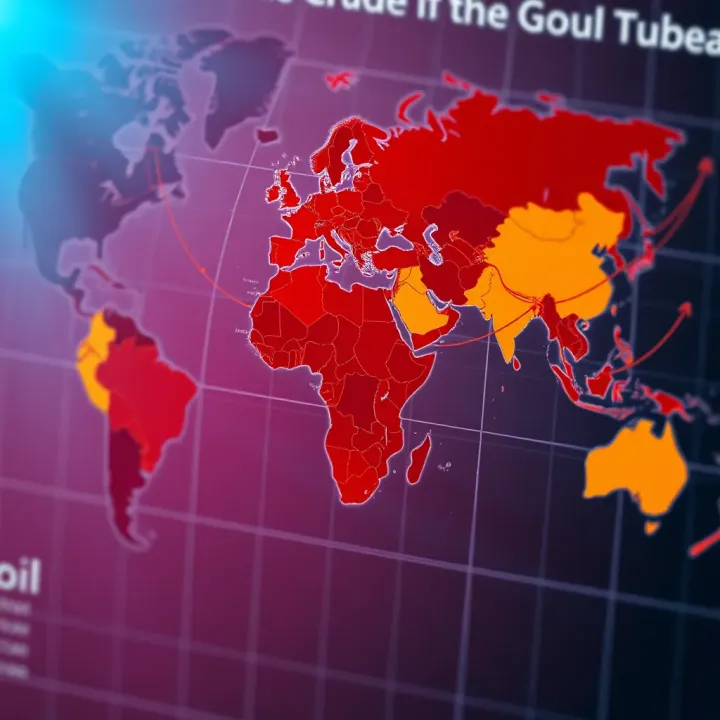
When economies expand, demand for crude oil generally rises. More industrial activity, increased transport needs, and higher energy consumption push consumption upward. For example, during South Africa’s post-pandemic recovery, fuel demand flickered back as businesses reopened and travel resumed. This demand spike tends to lift crude prices as buyers compete for limited supply.
Conversely, during recessions or economic slowdowns, demand drops sharply. Companies cut back on production, and consumers travel less, easing pressure on oil supplies. The 2008 global financial crisis and the recent 2020 recession caused steep falls in crude prices as a result. Price drops during downturns can open opportunities for buyers but create challenges for producers, especially those with higher extraction costs.
The rise of shale oil extraction, particularly from the US, has changed the landscape. This method unlocked vast reserves more quickly and cheaply, breaking the traditional hold of OPEC nations on supply. South African traders noticed how this boost in supply contributed to price stability—or even declines—at times when global demand was uncertain.
At the same time, renewables are becoming serious contenders in the energy mix. Solar and wind power reduce reliance on oil, especially for electricity generation. While their impact is gradual, increased uptake in countries like Germany and China signals a longer-term shift. For those invested in oil markets, it’s a heads-up that demand patterns could evolve, affecting prices down the line.
Hurricanes are notorious for disrupting oil production in the Gulf of Mexico. Storms like Katrina and Ida forced shutdowns of offshore rigs and refining plants, trimming supply suddenly. These interruptions typically trigger price spikes as markets brace for tighter availability.
Pipeline disruptions also cause price volatility. Accidents or sabotage can halt flows critical for supply chains. A recent example in South Africa was the vandalism of fuel pipelines causing shortages and pushing up local fuel prices. Such events highlight the vulnerability of infrastructure and the speed with which global oil prices can be influenced by regional disturbances.
In sum, keeping track of global economic trends, tech shifts, and unpredictable natural events helps traders and analysts forecast crude oil price changes more accurately and respond strategically.
Currency fluctuations play a significant role in shaping crude oil prices globally, influencing both international trade and local markets. Since oil is priced universally in a single currency, shifts in currency values impact how much buyers pay and sellers receive. This interdependence ties oil prices not just to supply and demand but also to currency strength and exchange rate movements.
Crude oil is traditionally quoted in US dollars, a practice that dates back to agreements made during the mid-20th century when the US dollar became the dominant global reserve currency. Pricing oil in dollars creates a common benchmark, simplifying contracts, transactions, and hedging strategies worldwide. Traders, exporters, and importers base their dealings on this standard, providing liquidity and stability in oil markets.
For example, an oil contract for 1,000 barrels in dollars is the same whether the buyer is in Asia, Europe, or South Africa. This uniformity helps reduce currency risk between parties but shifts some vulnerability to currency shifts when buyers operate with other currencies.
The strength of the US dollar directly affects crude oil prices. When the dollar strengthens against other currencies, oil priced in dollars becomes more expensive for holders of weaker currencies. This typically causes a drop in demand, pushing prices downward. On the flip side, a weaker dollar makes oil cheaper internationally, potentially boosting demand and lifting prices.
For instance, if the rand weakens against the dollar, South African importers must pay more rands for the same quantity of oil, raising local fuel costs. Commodity traders actively watch the dollar index to anticipate such ripple effects on oil price movements.
Rand fluctuations significantly impact South Africa’s cost of importing crude oil and refined petroleum products. Since South African companies must purchase oil in US dollars, any depreciation of the rand increases the domestic cost of oil imports, even if global prices remain steady. Conversely, a stronger rand helps contain import expenses.
South Africa has seen several volatile currency periods, especially linked to political uncertainty or global risk sentiment, which can drive rand weakness. Such shifts translate quickly to higher petrol and diesel prices, as importers pass on increased costs to fuel companies and, ultimately, consumers.
These currency-driven adjustments contribute to South Africa’s relatively frequent fuel price changes, alongside global oil market dynamics. For example, during times when the rand slides sharply, petrol prices at the pump often spike even if crude prices abroad have not risen equivalently.
Understanding the influence of currency movements is key for traders and investors assessing South African fuel price trends and broader economic ripple effects related to oil.
In short, currency shifts add a layer of complexity to crude oil pricing that cannot be ignored, affecting how the global oil market interfaces with local economies like South Africa’s.
Crude oil prices have a significant impact on South Africa’s economy, affecting everything from the price of fuel at the pump to broader inflation trends and government finances. Given the country's reliance on imported petroleum products, fluctuations in global oil prices quickly translate into changes in key economic indicators that influence consumers and businesses alike.
Fuel prices in South Africa are regulated and adjusted monthly by the Department of Mineral Resources and Energy, reflecting changes in international crude oil prices, the rand/dollar exchange rate, and local taxes and levies. When crude oil prices rise, the base cost of petrol and diesel imports increases, prompting higher pump prices. Conversely, a stronger rand can soften imported fuel cost even if global prices climb.
These adjustments incorporate wholesale and retail margins, as well as the fuel levy and road accident fund levy. For instance, when crude oil prices shot up during 2022, many South Africans felt the squeeze at the pumps, with petrol prices rising by more than R2 per litre in some months.
Higher petrol and diesel prices mean direct cost increases for everyday motorists and public transport users. For businesses, especially those relying on transport and logistics, fuel cost hikes translate into operational expenses rising, often pushed onto consumers in the form of higher prices for goods and services.
For example, delivery companies and taxi operators often face tighter margins during fuel price surges, affecting fares and freight costs. Low-income households tend to bear the brunt since increased transport costs hit their budgets harder, making the cycle more challenging amid economic pressures.
The transport and logistics industries form the backbone of the South African economy. Fuel constitutes a substantial portion of their operational expenses, so volatile crude oil prices directly shake cost structures. Long-haul freight companies, for instance, experience fluctuations in diesel expenses that can set back monthly budgeting.
This volatility impacts supply chain efficiency and reliability, with knock-on effects on sectors like agriculture, manufacturing, and retail. Road freight rates tend to rise sharply in response to fuel cost spikes, which can slow economic activity or boost inflation.
Fuel price changes influence headline inflation in South Africa because transport costs feed into the price of almost all goods and services. When crude oil prices rise sharply, inflation tends to spike as businesses pass on their increased costs.
A vivid example occurred in 2021 when rising oil prices contributed to an inflation surge above the South African Reserve Bank's target range. Households faced higher grocery, transport, and utility costs, eroding disposable income, particularly for those already stretched financially.
Rapid changes in fuel prices often serve as an early warning for inflationary pressures across the economy.
Government revenue from fuel levies represents a significant funding source for infrastructure and public safety initiatives. When fuel prices increase, the levy collected per litre rises, boosting tax receipts even without policy changes.
However, when prices surge too high, the government may opt to adjust levies or provide subsidies to shield vulnerable consumers and keep inflation manageable. These interventions can affect fiscal balances and public spending. For instance, previous fuel price spikes triggered debates about adjusting fuel levies to ease pressure on consumers while balancing budget needs.
Understanding these dynamics helps traders, investors, and analysts appreciate how shifts in crude oil prices ripple through South Africa’s economy and affect broader market conditions.
Crude oil price swings can disrupt businesses and national economies, especially in markets like South Africa that import much of their fuel. Figuring out ways to manage this volatility helps companies and governments keep costs in check and plan better. The measures range from financial tools that lock in prices to policy moves supporting energy alternatives.
Use of futures and options: Futures contracts allow buyers and sellers to agree on a price today for oil delivery in the future. This helps fix costs despite fluctuating market prices. Options work similarly but give the right, not the obligation, to buy or sell at a set price. For example, a refinery might buy futures to avoid price spikes that could bust their budget. Traders often use these instruments to capitalise on expected moves or shield against losses.
How businesses and traders protect costs: In practice, companies with large fuel needs—like transport firms—use hedging to avoid sudden fuel cost jumps. This can mean better budgeting and protecting profit margins. Traders balance their exposure by combining futures, options, and swaps; some even use contracts linked to Brent or WTI crude prices, depending on their regional fuel sources. Without such tools, sudden price shocks could force firms into costly last-minute buys or losses.
Strategic fuel reserves and stockpiles: Governments keep emergency stores of crude oil and refined fuels to cushion against supply shocks or price spikes. These reserves act like a buffer tank, released when markets get tight or geopolitical events disrupt supply. South Africa’s strategic reserves help stabilise the local market during global disturbances, preventing panic buying and sharp price hikes, giving authorities time to address crises.
Supporting alternative energy sources: Encouraging renewables and cleaner fuels reduces reliance on crude oil imports, easing pressure on the economy when prices surge. South Africa’s push towards solar, wind, and biofuels contributes to energy security by diversifying sources. For instance, integrating renewables into the grid can lower demand for petrol and diesel, shielding consumers and businesses from crude oil price swings.
Regulatory measures to stabilise prices: Governments may impose fuel levies adjustments, tax breaks, or subsidies to smooth out sudden price jumps at the pump. Price controls, however, are tricky—they can lead to shortages if set wrong. Instead, targeted interventions and clear regulatory frameworks help markets adapt while protecting consumers. In South Africa, the Department of Mineral Resources and Energy works alongside the Central Energy Fund to oversee such measures, ensuring price shifts remain manageable.
Managing volatility isn't about stopping price changes but softening their impact. Combining market tools and policy responses creates a more resilient system that can weather global fluctuations with less harm locally.
This toolkit of strategies is essential for traders, investors, and policymakers who want to navigate crude oil markets with more certainty and stability.
🌍 Discover how Tesla drives sustainable transport in South Africa and beyond, shaping the electric vehicle market with innovation, tech, and bold strategies 🚗⚡
Discover South Africa’s top forex traders 🌍, their unique strategies, influences on the market, and tips for new traders navigating challenges 💹.

Discover silver price trends, key factors, and investment tips 📈🔍 tailored for South Africans interested in precious metals and market insights.

Explore RCG Markets leverage options 🔍 Understand how to manage risks & benefits effectively! Compare with other brokers for South African traders 🇿🇦📈
Based on 7 reviews