
Understanding the Dollar to Rand Exchange Rate
📉 Understand the dollar to rand exchange rate⏳ Discover what drives its daily shifts, impacts on businesses & how to navigate these changes confidently in SA’s market.
Edited By
Henry Lawson
The US dollar to South African rand (USD/ZAR) exchange rate is more than just numbers on a screen — it impacts a whole range of businesses, investors, and everyday people across South Africa. Whether you manage forex portfolios, import goods, or plan a holiday abroad, understanding what drives this rate helps you navigate uncertainty.
Today’s USD/ZAR rate reacts constantly to global shifts and local twists. For example, when the South African Reserve Bank (SARB) changes interest rates, it directly influences rand strength. Similarly, political developments, such as changes in government policy or elections, can swing investor confidence one way or the other.

Volatility in this exchange rate often spikes around key events like SARB meetings, Eskom announcements on loadshedding, or international trade tensions.
Here are some key factors affecting the dollar to rand rate right now:
Commodity prices: South Africa exports minerals like platinum and gold. When global prices fall, the rand tends to weaken because export revenues drop.
US Dollar strength: The dollar moves partly due to US economic data, Federal Reserve policies, and global risk appetite. A strong dollar makes imports into South Africa pricier.
Local economic health: GDP growth rates, inflation, and unemployment figures shape perceptions of rand stability.
Political risk: Policy uncertainty, corruption scandals, or changes in leadership can deter foreign investment causing rand depreciation.
Understanding these drivers helps traders and investors make informed decisions. For instance, if SARB signals rate hikes to curb inflation, the rand might gain as higher interest rates attract capital inflows.
In practical terms, businesses importing machinery today need to hedge against potential rand weakness to avoid sudden cost spikes. Meanwhile, exporters can benefit if the rand weakens, making their products more competitive abroad.
This briefing sets the stage for a deeper look at what moves the USD/ZAR exchange rate today and what might be coming next. Knowing the pulse of the market equips you to manage risks and spot opportunities in this ever-shifting currency pair.
Tracking current trends in the dollar to rand exchange rate gives you a snapshot of how local and global factors are influencing the currency market right now. For traders and financial analysts, staying clued-up on these movements helps in making smarter investment calls and managing currency risks effectively. Businesses involved in imports and exports can time transactions better, possibly saving thousands by understanding when the rand is strong or weak.
The rand's value against the dollar tends to fluctuate continually, reflecting shifts in market sentiment and economic news. For instance, if the exchange rate moves from R18.50 to R18.80 per dollar over a week, it signals a rand depreciation, meaning imports become more expensive and exporters might benefit. These subtle shifts affect pricing, profit margins, and inflation, so it’s critical for investors and businesses to monitor them closely.
News events can send ripples through the exchange rate quickly. When South Africa releases unexpectedly strong employment data or inflation figures, the rand might strengthen as confidence in the economy rises. Conversely, international news such as US Federal Reserve interest rate hikes or geopolitical tensions can cause the dollar to gain against the rand. Traders often react swiftly, sometimes leading to short-term spikes or dips, making a clear understanding of such news essential for timing trades or hedging decisions.
Inflation influences the rand directly because higher inflation usually erodes purchasing power, prompting the South African Reserve Bank (SARB) to adjust interest rates in response. A hike in interest rates tends to attract foreign capital seeking better returns, which can strengthen the rand. For example, a SARB increase from 6.75% to 7.25% typically boosts the rand's appeal. On the flip side, persistent high inflation without adequate rate hikes can weaken the currency as investors lose confidence.
GDP growth signals the economy's health and impacts investor sentiment about the rand. More robust growth generally encourages investment inflows, supporting the rand. If South Africa posts a GDP increase of 2.5% in a quarter, it shows resilience that can bolster currency demand. Employment figures further add nuance: rising formal sector jobs suggest economic stability, making the rand more attractive, whereas high unemployment might cause cautiousness among investors.
Keeping an eye on these indicators helps stakeholders anticipate currency shifts and adapt strategies, whether it's hedging forex exposure or timing market entries.
In short, current trends encapsulate the combined effect of economic data, market mood, and global events on the rand. Staying informed on this front is vital for anyone with rand-dollar exposure, ensuring decisions reflect the latest realities rather than yesterday's headlines.
Understanding the forces beyond South Africa's borders is essential for anyone keeping tabs on the dollar to rand exchange rate. Global economic shifts, especially those involving major players like the United States, can nudge the rand in unexpected directions. Traders and investors often watch these factors closely since overseas developments can either strengthen or weaken the rand, affecting investment decisions and pricing for imports and exports.
The Federal Reserve's moves are among the most influential global economic factors impacting the rand. When the US central bank raises interest rates, it tends to attract investors towards the dollar, strengthening it against other currencies like the rand. For instance, during periods when the Fed signals a hawkish stance, South African exporters might find their goods pricier overseas, potentially reducing demand.
On the flip side, a more dovish approach from the Fed, signalling lower interest rates, can soften the dollar. This may lend some relief to the rand, making imports cheaper and easing pressure on businesses reliant on foreign capital. Since markets often react in advance to Fed statements and interest rate changes, staying updated on Fed meetings is vital for managing currency risk.
Economic reports from the US, such as non-farm payrolls, inflation figures, and GDP growth, also affect the dollar’s strength. Strong data generally boosts confidence in the US economy, supporting the dollar and, by extension, putting downward pressure on the rand. For example, a higher-than-expected jobs report might prompt investors to favour the dollar, leading to a rand dip.
Conversely, weaker US data can create an environment where the rand gains some ground. In practice, this means that South African importers looking to buy dollars might get a better rate during periods of US economic softness. Monitoring these releases helps traders and analysts anticipate short-term exchange rate moves.
The rand's value often moves in step with commodity prices because South Africa’s economy leans heavily on mineral exports like gold, platinum, and coal. A surge in commodity prices usually boosts export earnings, providing support for the rand. For instance, when platinum prices climb due to supply shortages, mining companies see better revenues, often translating into rand strength.
However, a slump in global commodity prices can shrink export income, weakening the rand as foreign investors pull back. This connection means that fluctuations in commodity markets require careful attention from those exposed to rand volatility.
Beyond supply factors, global demand for commodities plays a key role in rand movements. If emerging markets, particularly China, demand more minerals, prices tend to rise, benefiting South Africa’s trade balance and the rand. On the other hand, geopolitical tensions or economic slowdowns can trigger sharp price drops, leading to increased exchange rate instability.
Commodity price volatility adds a layer of unpredictability for businesses and investors. Those dealing with dollar invoices or contracts in South Africa often hedge their positions to guard against swings caused by commodity-driven rand fluctuations.
Keeping an eye on US policy shifts and commodity markets is a practical way to navigate the rand’s often unpredictable performance on the global stage.
Political and social conditions in South Africa play a significant role in shaping the rand's stability against the dollar. These factors often influence investor sentiment and economic performance, ultimately impacting capital flows and currency demand. Understanding how domestic politics and social dynamics affect currency movement helps traders and investors better anticipate volatility and adjust their strategies accordingly.
Government policies, particularly around Black Economic Empowerment (B-BBEE), have direct implications for business confidence and foreign investment. Policies aimed at increasing economic inclusion can encourage sustainable growth, but overly rigid or unclear regulations may discourage some investors. For example, recent adjustments in B-BBEE scorecard criteria have created uncertainty among certain sectors, slowing new investments until the landscape stabilises.
Election cycles further contribute to this uncertainty. Around national elections, the rand tends to experience raised volatility as markets react to potential shifts in policy direction or leadership. The 2019 general election, for instance, saw brief rand weakness due to concerns over government stability and policy continuity. Political uncertainty can deter foreign direct investment (FDI), causing fluctuating demand for the rand and affecting its value on the foreign exchange market.
Labour strikes and service delivery protests happen frequently across various provinces, especially in sectors like mining, transport, and public services. These disruptions halt productivity and raise operational costs for businesses, often leading to downgraded growth forecasts. A notable example is the mining sector strike in 2021, which delayed production and hit export revenues. Such events influence the rand negatively because they signal economic instability.
Social unrest significantly impacts investor confidence as well. When protests turn violent or prolonged, international investors tend to pull out or delay commitments due to risk concerns. This capital flight can result in short-term rand depreciation and increased volatility. The wave of protests relating to service delivery issues in some townships recently contributed to market nervousness, showing how social dynamics extend beyond politics to affect currency stability.
For investors and traders watching the dollar to rand exchange rate, keeping an eye on political shifts and social developments is crucial. These elements often send early warning signs of currency moves before they fully materialise on trading platforms.
Changes to B-BBEE regulations and broader economic policies
Timing and outcomes of election cycles
Frequency and scale of labour strikes
Intensity and spread of social unrest
Understanding these factors equips traders and analysts with clearer insights into potential currency risks and opportunities in the South African market.
Forecasting the dollar to rand exchange rate matters because big swings in the rand's value can hit businesses and investors where it hurts, especially those tied to imports, exports, or foreign investments. Knowing what might lie ahead helps manage risks and spot opportunities, whether it’s planning budgets or making trading decisions. For example, a Gauteng-based manufacturing company that sources parts from the US would benefit from a clear forecast to avoid unexpected cost jumps if the rand weakens.
Economists typically examine recent data such as inflation, interest rates, and political developments to predict the rand’s movement over the coming weeks or months. Their forecasts often consider both local factors like South Africa’s GDP growth and global influences such as US Federal Reserve moves. In early 2024, some economists suggested a modest weakening of the rand due to ongoing load-shedding and cautious US monetary policy. Traders and businesses follow these views closely to adjust their strategies and hedge appropriately.
Quantitative models form the backbone of forecasting, using historical exchange rates, macroeconomic indicators, and market sentiment. Techniques like moving averages, regression analysis, and artificial intelligence algorithms provide data-driven predictions. For instance, a trend-following model might flag a potential rand rebound if commodity prices rise consistently, signalling stronger export revenues. While no model guarantees accuracy, these tools offer actionable insights to complement expert opinion.
Unexpected global events, like a sudden shift in US-China trade relations or a spike in oil prices, can jolt the rand's value dramatically. Such shocks are difficult to predict but quickly influence investor confidence and capital flows. For example, a surge in global demand for platinum could strengthen the rand as South Africa is a major producer. Conversely, geopolitical tensions or a slowing global economy often lead to capital flight from emerging markets like South Africa, weakening the rand.
Changes in South African government policies, such as shifts in fiscal policy, B-BBEE regulations, or unplanned interventions in key sectors, can unsettle the currency market. For instance, a sudden increase in the South African Reserve Bank’s repo rate to counter inflation might strengthen the rand, whereas new policy uncertainty around mining rights could spook investors and weaken it. Local elections and social unrest also play into this unpredictability, making it crucial for stakeholders to monitor political developments closely.
Forecasting the exchange rate isn’t about perfect prediction but preparing for plausible scenarios, allowing traders and businesses to make informed, pragmatic decisions with their currency exposure.
Managing currency exposure is vital for anyone dealing with international transactions, especially where the rand and dollar are involved. Fluctuations in the exchange rate can affect a business's costs and revenue or the final price an individual pays when importing goods. By understanding and managing this exposure, you can shield yourself from unexpected losses and seize opportunities when the rate moves favourably.
Many South African companies use hedging instruments like forward contracts or options to lock in exchange rates for future transactions. For instance, a Johannesburg-based importer of machinery might enter a forward contract with a local bank to purchase dollars at a fixed rate in three months. This shields the company from a sudden rand depreciation that would raise import costs. While hedging comes with costs, it can protect profit margins from volatile swings in the dollar to rand rate.
Some firms adopt natural hedging by matching dollar revenues with dollar costs. For example, an exporter earning dollars can use those funds for purchases denominated in USD, reducing currency conversion needs. This strategy lessens reliance on financial instruments but requires careful matching of cash flows.
Besides hedging, diversification is a practical way to manage currency risk. Businesses that rely heavily on imports or exports might explore sourcing alternatives or adjusting pricing to cushion costs linked to rand weakness. For instance, a retailer buying foreign goods may negotiate contracts with suppliers to include pricing review clauses tied to exchange rate movements.
Cash flow planning also plays a role. By forecasting currency exposures and scheduling payments strategically, companies can reduce holding large foreign currency balances, which might lose value. It's wise to keep a close watch on the rand's movements and adjust financial plans accordingly.
Individuals and small importers often face higher costs due to exchange rate fluctuations and steep bank fees. Timing currency exchanges when the rand is stronger, or spreading purchases over time, can reduce risks. For example, importing a vehicle might be cheaper if the buyer avoids converting a large sum in one go during rand weakness.
Consulting multiple currency service providers can also help find better rates. Some forex bureaus and digital platforms offer rates closer to the mid-market value than banks, especially for smaller amounts.
Staying informed on exchange rates is simpler now with smartphone apps and financial websites offering live updates and alerts. Platforms like XE, Investing.com, or local banks’ apps can notify you when the rand hits your target rate.
Also, consider subscribing to newsletters or updates from financial analysts focused on the rand’s performance. These insights can highlight upcoming economic events or political developments that might influence the exchange rate. In a country where Eskom’s loadshedding or political shifts can shake markets, staying ahead is key.
Practical currency management isn’t just for big firms. Individuals and small importers can also reduce costs and uncertainty by planning and using the right tools.
In sum, managing currency exposure requires active attention and appropriate strategies tailored to your scale and needs. Whether running a business or importing a few items yearly, understanding how to protect against exchange rate swings will save you heartache and rand in the long run.
📉 Understand the dollar to rand exchange rate⏳ Discover what drives its daily shifts, impacts on businesses & how to navigate these changes confidently in SA’s market.
📉 Dive into Rand-Dollar trends with a detailed look at economic factors, geopolitical events & market sentiment shaping South Africa’s currency future.
📉 Understand how economic indicators, geopolitical events, and market shifts shape the US dollar to rand rate. Stay informed for smarter financial decisions in South Africa.
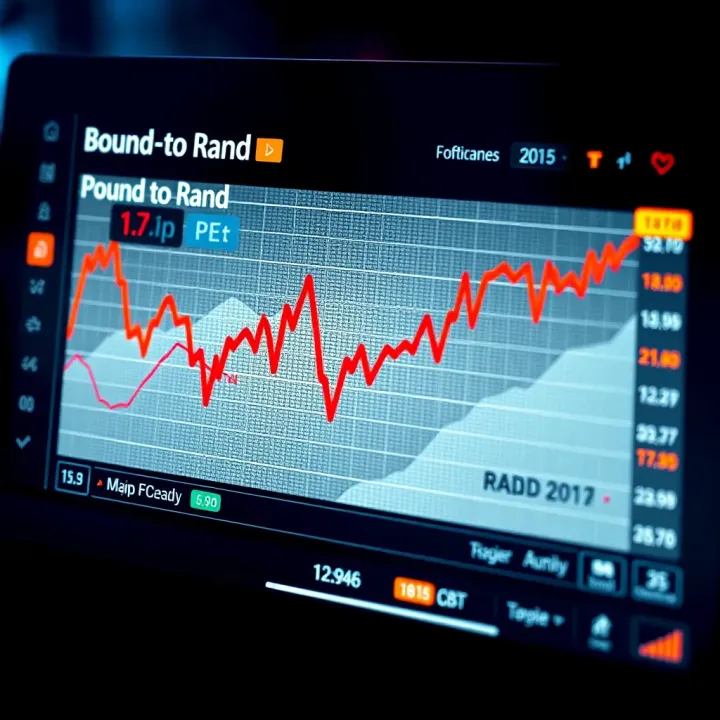
📉 Explore key factors shaping the Pound to Rand rates, including economic data and political events. Stay ahead in trade, investment & travel decisions!
Based on 12 reviews