

Understanding Forex Indices for South African Traders
📊 Learn how forex indices work, what affects their moves, and how South African traders can use them effectively — including insights on the rand and local market trends.
Edited By
Maxwell Trent
Forex demo contests have become a popular way for traders to hone their skills without risking real cash. Particularly for South African traders, these contests offer a practical platform to learn, test trading strategies, and experience the pressures of live markets — all in a risk-free setting.
In a demo contest, participants trade with virtual funds on a simulated platform that mirrors real market conditions. You compete against others, often aiming to grow your demo account within a set time, with top performers winning prizes ranging from cash rewards to trading credits. These contests typically last from a few days to several weeks.
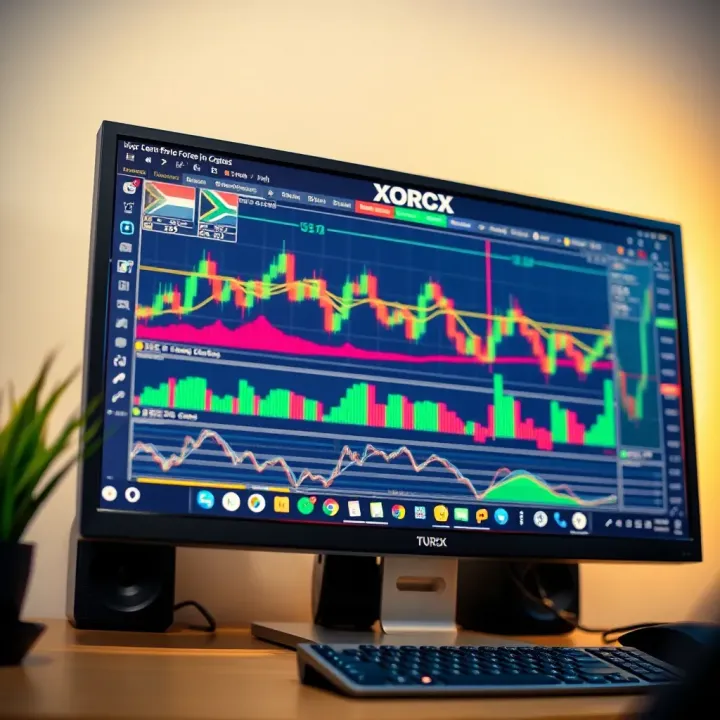
Given the volatility in the rand and local market nuances, testing your approach on a demo platform can save you Rands and nerves. For example, trying out strategies during Eskom loadshedding periods or understanding how news affecting South African equities impacts forex pairs like USD/ZAR can be tricky. Demo contests give you a safe space to figure these out.
Moreover, contest formats often mimic live trading conditions, including fluctuating spreads and order execution delays. This realism prepares you for what ordinary trading feels like.
Practising on demo contests is not about making quick profits but about building discipline and understanding market rhythms without the fear of losing your shirt.
No real money required: All trading uses virtual funds, so your risk is zero.
Realistic trading environment: Price movements, spreads, and execution are designed to match live conditions.
Competitive edge: Leaderboards motivate you to refine your strategy and trade smarter.
Prizes and incentives: Many brokers offer cash, bonuses, or account upgrades to winners.
To benefit, set clear goals before entering. Don’t just focus on winning but on testing specific setups or handling market events like South African GDP releases or SARB interest rate changes. Treat it like real trading—keep a journal, review your decisions, and avoid overtrading.
In short, Forex demo contests serve as an excellent training ground for South African traders to sharpen skills, test plans against live-like markets, and build confidence before committing any actual capital.
Participating in a Forex demo contest gives traders a safe space to practise without risking real money, while competing against others to test skills and strategies. Understanding how these contests function helps South African traders make the most of the experience, particularly given local challenges like loadshedding or internet reliability.
Most Forex demo contests start with a quick sign-up process on a broker's website. You create a demo trading account usually by providing basic personal details and verifying your email. This account is separate from live trading but mimics the broker's actual platform. For example, South African traders might register with FSCA-regulated brokers who offer demo contests, ensuring safety and compliance.
Contestants receive virtual funds, often ranging from $10,000 to $100,000, to trade during the competition. This virtual capital lets you experiment with trading strategies without financial risk. Having enough initial funds also allows you to test different position sizes and risk management techniques realistically.
Demo contests typically run from a few days to several weeks. Each contest has set rules about trading hours, allowed instruments, and how positions are managed. For instance, some contests might pause trading over weekends or exclude certain high-volatility pairs. Adhering to these rules is key, as they affect how you plan your trades and manage risk within the contest.
These contests focus on who can achieve the highest trading return within a specified timeframe, such as one week or one month. It pushes participants to adapt quickly to market moves. For South African traders who might face connectivity issues during loadshedding, understanding the contest’s timing helps avoid missing crucial trade windows.
Some contests rank participants purely by percentage profit, rewarding those who maximise gains regardless of time taken. This encourages aggressive or high-risk strategies but also requires solid risk controls to avoid blowing virtual accounts too fast. Such contests give a taste of performance pressure found in live trading.
These contests impose restrictions or themes, like using only particular currency pairs or trading strategies (scalping, swing trading). By honing in on specific methods, traders can sharpen skill sets under focused conditions. For example, a scalping challenge could help South African traders learn to execute rapid trades despite occasional unstable internet connections.
Understanding the nuts and bolts of demo contests equips you to tailor your approach and maximise learning before moving to live markets.
Through knowing registration steps, virtual capital setups, contest timelines, and contest types, you grasp how to navigate these competitions effectively. This practical knowledge provides a solid foundation for South African traders to build confidence and skill without financial risk.
Forex demo contests offer a no-cost way for traders to familiarise themselves with the markets and improve essential skills. For South African participants, this is especially helpful given the unique local trading conditions, such as load shedding and varying broker regulations. The perks of joining these contests stretch from education to practical experience and even potential rewards.
Understanding market dynamics is fundamental in forex trading. Demo contests provide a chance to observe how currency prices react to economic events—like South Africa's interest rate announcements by the South African Reserve Bank (SARB) or global commodity shifts impacting the rand—without risking real money. For example, a trader might notice how the ZAR strengthens when gold prices rise and learn to anticipate similar market behaviour.
Besides theory, traders can get hands-on experience practising order execution and platform features. Using a demo account, participants familiarise themselves with trading platforms popular in South Africa such as MetaTrader 4 or 5. They can place different types of orders (like market, limit, or stop-loss), explore charting tools, and test mobile app functionalities with no financial consequences. This practical use smooths the transition to live trading when the time comes.
Forex demo contests are an ideal environment for assessing strategy effectiveness. Whether you prefer scalping during peak hours like London overlaps or swing trading based on monthly trends, you can backtest and adjust these approaches in real-time. Imagine a trader tweaking an RSI (Relative Strength Index) setup on EUR/ZAR and seeing how entry timing affects profits—all done risk-free.
Alongside strategy trials, participants can refine risk management techniques. Managing position sizes, setting stop-loss limits, and calculating risk/reward ratios are critical skills. Demo contests let you practise these repeatedly until they become second nature. For example, controlling your exposure during volatile periods—like after SARB rate decisions or unexpected political news—becomes intuitive without the sting of losing actual cash.

One of the less obvious benefits is simulating real-market pressure. Trading against other contestants creates a competitive atmosphere, mimicking live market stress and deadlines. This helps build resilience, teaching traders to stay calm when the rand suddenly dips or when rapid decisions are necessary.
Moreover, participation boosts decision-making speed. Since contest timers reward quick but calculated trades, practising under these conditions helps sharpen reflexes. For instance, a trader might improve at identifying entry opportunities on the spot during South African market hours, which can be key in fast-moving currency pairs.
Apart from skills, many contests offer prizes and incentives such as cash bonuses, gadgets, or vouchers usable on South African platforms like Takealot. These rewards make it more exciting to compete and provide tangible incentives beyond learning.
Finally, winners often gain potential access to live trading accounts with funded capital or broker discounts. This can be a stepping stone to professional trading or at least reduce the initial capital needed to start real trading. For example, a top contestant might receive a bonus deposit from their broker to kick off live trading under real conditions.
Joining a forex demo contest is a practical, risk-free step that helps South African traders gain experience, test strategies, and possibly earn rewards—all while navigating unique local market nuances.
To make the most of forex demo contests, having a solid approach is key. These contests mimic the real trading environment, so your aim should be to treat them seriously and build habits that hold up in live trading. Applying practical tips not only improves performance in the competition but sharpens skills you will use when trading with real cash.
Setting realistic goals keeps your focus grounded. Instead of chasing unlikely returns, set achievable targets based on sound strategy and past performance. For example, aiming to grow your virtual capital by 5% over the contest period is far more manageable than trying to double it in a week. This approach reduces impulsive trades and encourages steady progress.
Defining entry and exit rules is essential for consistency. Knowing exactly when to open or close a trade removes guesswork and emotional decisions. For instance, you might decide to enter only when the 50-day moving average crosses above the 200-day moving average, and exit if the price drops 1% below your entry point. This clarity helps prevent chasing losses or holding losing positions for too long.
Using stop-loss orders protects your virtual capital, showing good risk discipline. A stop-loss automatically closes a trade once it hits a predetermined loss level, preventing bigger damage. Even in a demo contest, practising this habit prepares you for real trading where money is at stake.
Controlling position sizes is just as important. Taking on positions that are too large relative to your account size can skew contest results and encourage reckless risk-taking. Stick to risking a small percentage per trade—typically 1-2%—to simulate how you would behave in a live account. This practice aids longevity in trading and prevents big swings from wiping you out.
Following your strategy consistently builds trust in your plan. Emotional trading often leads to chasing losses or deviating from tested rules because of fear or greed. In contests, this means you might rack up losses by abandoning your strategy mid-way. Staying disciplined helps you evaluate the strategy's real effectiveness.
Handling losses and setbacks is part of the process. Demo trading might feel less stressful since no real money is involved, but keeping a level head and analysing losing trades helps with growth. Instead of frustration, view losses as lessons to refine your approach for future trades.
Discipline and a well-thought-out plan set apart successful traders from those who get carried away by the markets’ ups and downs.
Reviewing trading logs offers valuable insights into what works and what doesn’t. Track every trade’s entry, exit, reasons, and outcome. Over time, patterns emerge showing strengths and weaknesses. For example, you might discover your timing is solid but your exits need tightening.
Observing top contestants’ strategies can inspire new ideas. Many contests share leaderboards or recap reports. Seeing how others approach trades, manage risk, or capitalise on trends gives you perspective you may not gain alone. Just remember to adapt lessons to your own style rather than copying blindly.
Applying these tips will help you approach forex demo contests with professionalism and purpose, setting you up for better performance both in contests and when you take the plunge into live trading.
South African traders face unique challenges and opportunities when engaging in Forex demo contests. Understanding local regulations, payment options, tax rules, and market conditions helps you make informed decisions and avoid pitfalls. This section highlights practical considerations that matter most to traders based in Mzansi.
South African traders should prioritise brokers regulated by the Financial Sector Conduct Authority (FSCA). This watchdog enforces rules to protect clients and maintain market integrity. While the FSCA does not regulate offshore brokers directly, it provides guidance and warnings about unlicensed operators. The Financial Surveillance Control (FSC) also oversees cross-border financial transactions, which can impact Forex trading.
Choosing an FSCA-regulated broker means your funds are safer, and you have recourse in case of disputes. For example, should a broker mishandle your funds or fail to execute trades properly, the FSCA can intervene. This oversight is a crucial safeguard amid a sometimes risky global Forex market.
Regulated brokers must follow strict rules on data protection and client fund segregation. This means your personal information and money are kept separately from the broker’s operational funds. Such measures reduce the risk of fraud or improper usage.
Unregulated brokers might not uphold these standards, potentially exposing you to breaches or losses. For instance, reports have surfaced of traders losing money with brokers who disappeared overnight. By choosing a broker with proper licensing and transparent practices, you gain peace of mind and legal protection.
When you move from demo contests to live trading, funding your account smoothly is vital. Many South African brokers offer local payment options like Electronic Funds Transfer (EFT), SnapScan, or Zapper, making deposits straightforward without hassle of currency exchanges or international bank delays.
For example, EFT payments usually clear within 24 hours, allowing speedy access to live accounts. SnapScan and Zapper offer convenient mobile payments, popular in South Africa due to their simplicity and security. Using these methods avoids expensive international fintech fees.
Not all payment methods are equal; some carry higher fees or longer approval times. EFT transfers tend to be low-cost but depend on your bank’s processing schedules and cut-off times. Mobile wallets like SnapScan may charge small transaction fees but provide almost instant funding.
Be aware that slow or costly deposits impact your trading agility. Imagine missing a market move because your deposit hasn’t cleared. Always compare broker terms for their preferred payment methods before committing.
Forex trading profits, whether from demo prize money or live trades, should be declared as income when filing your taxes with the South African Revenue Service (SARS). Even winnings from demo contest prizes could count as taxable earnings, depending on the prize’s nature and value.
Neglecting to report correctly can lead to penalties or audits. Hence, keep detailed records of your contest participation and any related earnings.
SARS treats forex trading profits as either capital gains or business income, depending on your trading frequency and volume. If you trade regularly and it’s your main source of income, SARS may classify you as a trader subject to income tax. Alternatively, occasional traders report gains under capital gains tax rules.
It’s advisable to consult a tax professional familiar with forex to ensure you comply properly. Clear knowledge of SARS requirements avoids surprises during tax season.
Loadshedding poses a genuine challenge for South African traders relying on digital platforms. Unexpected power cuts disrupt internet access, leading to missed trade executions or difficulties monitoring open positions.
For example, a stage 3 loadshedding event might cut out for several hours during peak trading times. Without backup power, your computer or router may shut down, affecting your performance.
The key is to anticipate loadshedding schedules and prepare accordingly. Use a UPS (uninterruptible power supply) or a generator to keep essentials online. Some traders set alerts on their mobile devices or trade via mobile apps, which may continue on mobile data if broadband fails.
Additionally, avoid opening highly leveraged or volatile trades right before known loadshedding periods. This cautious approach limits exposure to sudden market moves when you might be offline.
In a nutshell, understanding South Africa’s unique trading environment—from regulation and payments to tax and loadshedding—helps you navigate Forex demo contests smarter and sets you up for smoother real trading experiences.
Forex demo contests attract many traders, especially novices, keen to test their skills without risking real cash. However, there are a couple of widespread misconceptions that South African traders need to keep in mind to avoid overestimating demo success.
One common misunderstanding is assuming that success in a demo contest guarantees the same outcome in real trading. The truth is, demo trading lacks the psychological pressure that comes with investing actual money. When trading with virtual funds, it's easier to take risks without feeling the emotional stress that real losses bring. For instance, a trader might confidently double down on a losing position in a demo environment but hesitate or panic when real money is at stake.
Moreover, virtual trading doesn't replicate the rush of live markets exactly. The detachment from real financial consequences often creates a different mindset. This psychological gap means that winning a demo contest may boost confidence but should not lead to complacency when transitioning to live accounts.
Beyond psychology, the demo environment itself has limitations. These platforms simulate live prices and execution but can't mimic certain market conditions perfectly. Slippage, spreads, and latency issues tend to be less severe or absent in demos. For example, during volatile news events in real markets, price jumps can lead to orders being filled at unfavourable levels, but demo accounts might smooth over such discrepancies.
This means that while demo contests offer valuable practice, they don’t fully prepare you for the unexpected twists and technical hitches of actual trading.
Another mistaken belief is that a demo contest winner will automatically generate profits in live trading. However, risk management plays a much larger role beyond demo success. Managing losses through stop-loss orders, position sizing, and avoiding overtrading are skills that only sharpen with real capital on the line. Many demo champions fail to make the transition because they overlook these practical essentials.
Continuing education is equally critical. Markets evolve constantly, influenced by geopolitical shifts, economic data, and local developments like Eskom's load-shedding affecting internet reliability. Traders must stay updated with accurate market analysis, evolving tools, and new strategies. Even top performers from demo contests need to keep learning to adapt and thrive.
Remember, a demo contest is a stepping stone, not a guarantee. Staying humble, focused on risk, and committed to ongoing education will help turn demo gains into real trading success.
By understanding these misconceptions, South African traders can approach demo contests with realistic expectations, using them as a practical training ground rather than an assured ticket to profit.
Participating in forex demo contests helps South African traders sharpen their trading skills without risking real money. Given the growing interest in forex across Mzansi, knowing where and how to join these contests can make a real difference. It’s not just about competing for prizes; demo contests provide firsthand experience with trading platforms, tactics, and market conditions specific to our local context.
Brokers with demo competition offerings often run these contests to attract new traders or test their platforms. In South Africa, reputable brokers like MT4-based platforms or FSCA-regulated firms sometimes host demo contests with clear rules and real prizes. These brokers typically provide demo accounts preloaded with virtual capital, allowing you to trade in a simulated environment. Joining contests through such brokers gives you exposure to their trading interfaces and conditions, which is useful if you want to later open a live account with them.
Beyond the broker websites, traders should also watch for promotions during major events or public holidays when brokers often launch demo contests with added rewards. Being proactive on these platforms saves you from scouring multiple sources and helps you pick competitions reliable enough to sharpen your trading skills safely.
Popular South African forex forums and communities like those on MyBroadband and local Facebook groups can be goldmines of information. Experienced traders share ongoing contest updates, tips on joining, and feedback on contest conditions. These communities also help newbies understand the practical challenges in each contest and spot lesser-known contests that might offer unique benefits or lower competition. Being active in these forums lets you tap into collective wisdom and real-time advice tailored to South African trading realities.
Creating a demo trading account is usually straightforward. Prospective participants must register on the broker’s platform, often providing basic personal details and verifying their email. The demo account is then set up with virtual funds, enabling you to practice trades without financial risk. Importantly, this step acquaints you with the broker’s tools—order types, charting methods, and news feeds—which improves your execution skills before stepping into live trading.
Understanding contest rules and timelines is critical before you jump in. Each contest sets specific time frames, trading instruments allowed, and evaluation criteria such as highest return, lowest drawdown, or most consistent profits. Also, some contests require minimum trade volumes or forbid certain strategies like scalping. Missing these details can disqualify you or hinder your performance. Keep track of contest start and end dates, as well as time zone differences—South African traders should align their schedules with platform servers, often set to GMT or SAST.
Remember: Clear knowledge of registration procedures and contest rules helps avoid surprises and makes your participation smoother. Preparation is half the battle won.
By sourcing contests from trusted brokers and active forums, setting up a demo account properly, and knowing the contest's ground rules, South African traders position themselves for meaningful practice and potential rewards without risking a cent of real cash.
📊 Learn how forex indices work, what affects their moves, and how South African traders can use them effectively — including insights on the rand and local market trends.

📊 Explore SmartTrader for South African traders: deep dive into features, account types, fees, security, customer support & expert tips for success!
📊Explore PocketOption for South African traders: key features, account types, secure payments & smart trading strategies to boost your online trading skills! 🇿🇦

📊 Discover how Headway Broker suits South African traders with insight on platforms, costs, regulation, and starting tips to trade confidently in Rand.
Based on 6 reviews