

Understanding Forex Indices for South African Traders
📊 Learn how forex indices work, what affects their moves, and how South African traders can use them effectively — including insights on the rand and local market trends.
Edited By
Oliver Hastings
Forex trading bots have steadily become a popular tool for currency market traders worldwide, and South Africa is no exception. These software programmes automates trades based on pre-programmed algorithms designed to react quickly to market movements. In practical terms, this means bots can open and close positions in seconds, far faster than any human could manage.
Bots operate by analysing price data, indicators, and technical signals to identify trading opportunities. When certain conditions are met, they execute trades automatically without manual input—offering the advantage of nonstop market monitoring. This is especially useful in the forex market, which runs 24 hours a day across different time zones.
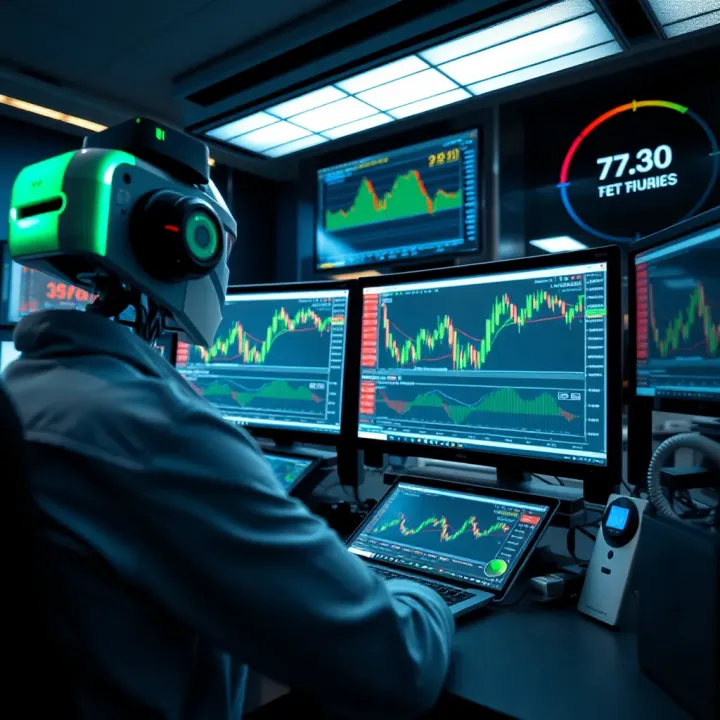
That said, bots are not foolproof. They rely heavily on the quality of their underlying algorithms and real-time data feeds. Technical glitches or unexpected market volatility can lead to losses if the bot doesn't adapt quickly enough or follows rigid rules unsuited to sudden changes.
For South African traders, using bots brings specific considerations:
Local brokerage compatibility: Ensure the bot supports integration with your preferred broker, such as those regulated by the Financial Sector Conduct Authority (FSCA).
Electricity reliability: Loadsheding interruptions could disrupt trading connectivity, so uninterrupted power or backup solutions are advisable.
Internet stability: Forex bots need constant online access; unstable connections can cause missed trades.
While bots reduce manual workload and emotional bias, they require vigilant setup and monitoring to perform effectively in South Africa's unique trading environment.
In summary, forex trading bots offer a technical edge by handling trades swiftly and systematically. However, they are not a set-and-forget solution. Understanding how they function and their limitations is crucial before integrating them into your trading strategy.
Next sections will cover the benefits and risks of forex bots, key features to evaluate, and practical steps for South African traders.
Understanding how forex trading bots operate is essential for any South African trader looking to automate or improve their currency trading strategies. These bots are not magic wands; rather, they are sophisticated software programmes that apply predetermined rules to analyse currency pairs and execute trades without constant human input. Knowing their mechanics helps traders avoid pitfalls, customise strategies, and evaluate if automation fits their trading style and goals.
Forex trading bots are designed to monitor the continuously moving forex markets using programmed algorithms. They automatically open, manage, and close trades based on signals derived from their coding. For instance, a bot might be set to buy euros against the rand once a specific technical indicator reaches a particular signal level. The major draw is that bots can work 24/7 without fatigue, keeping up with global forex markets while a human trader might sleep or take breaks.
Most bots can handle repetitive tasks seamlessly, such as tracking price movements, managing stop losses, and locking in profits through take profit orders. This consistency is a practical benefit, especially when South African traders face volatile currency movements during off-market hours.
Forex bots generally rely on one or more types of algorithmic strategies to trade effectively. Some common categories include trend-following algorithms, which identify and capitalise on clear upward or downward price movements. Others use mean reversion strategies, betting that prices will revert to a historical average after extreme moves.
More advanced bots incorporate machine learning to adjust their rules based on new data or evolving conditions. For example, a bot might learn which currency pairs are more responsive during certain times of day or economic events. South African traders should be cautious about blindly trusting self-learning bots without understanding their decision-making process.
Bots depend heavily on technical indicators such as moving averages, Relative Strength Index (RSI), and Bollinger Bands to spot trade opportunities. These indicators process historical price and volume data to generate signals about potential price direction or reversals. A bot might, for example, initiate a buy when the 50-day moving average crosses above the 200-day moving average—a classic 'golden cross' signal.
For South African traders, the choice of indicators matters because local market volatility and liquidity can influence effectiveness. Customising indicators to reflect conditions like rand volatility, influenced by domestic economic news or Eskom loadshedding, can help improve bot performance.
One edge forex bots have over manual traders is the ability to execute orders instantly once conditions are met. This speed can be crucial in volatile markets where a delay of seconds could mean missing a profitable trade or hitting a slippage.
Bots connect directly with online broker platforms through Application Programming Interfaces (APIs), ensuring trades are placed immediately and accurately. However, South African traders must ensure their chosen broker supports seamless API integration and offers reliable server uptime to avoid order execution delays or failures.
Risk control is woven into almost all forex bots. They can automatically apply stop-loss orders, trailing stops, and position-sizing rules to limit losses and protect capital. For example, a bot can be programmed not to risk more than 1% of the trading account on any single trade.
Such functions are vital given the unpredictable nature of forex markets. They help South African traders mitigate risks especially during unexpected swings driven by local or global events. Nonetheless, traders should continuously monitor these settings and adjust as necessary instead of relying solely on automation.
Automated forex trading offers useful benefits but requires understanding the nuts and bolts behind the bot’s decision-making and execution to make it a helpful tool rather than a black box.
Forex trading bots bring a mixed bag of opportunities and challenges to South African traders. Understanding these pros and cons helps in deciding whether automation suits your trading style and goals, especially in a local environment shaped by factors like market volatility, data costs, and broker availability.
One of the main perks of forex bots is their unemotional approach to trading. For instance, when a trader faces a sudden loss, the impulse might be to panic and sell off positions prematurely. A bot, however, follows its coded strategy strictly, avoiding those knee-jerk reactions. This consistency can prevent costly mistakes driven by fear or greed, common pitfalls for many new or even seasoned traders in South Africa’s sometimes volatile markets.
In practical terms, this means your trading decisions stay objective. Bots keep your plan intact even during rapid price swings, such as those seen when Rand moves sharply against the Dollar after unexpected economic news.

Forex bots tirelessly watch the market 24/7, which is especially valuable when South African traders need to keep tabs on global currency moves outside local trading hours. Unlike humans who must sleep or manage daily responsibilities, bots do not miss sudden shifts.
This is handy when USD/ZAR pairs experience volatility due to events in the US or Europe during South African night-time. The bot alerts or executes trades while you rest, meaning you don’t have to check your phone every hour and risk poor sleep or distractions at work.
Bots act instantly when certain market conditions are met. For example, if your bot monitors technical indicators like moving averages or RSI (Relative Strength Index), it can enter or exit trades immediately as signals appear.
This speed is crucial when milliseconds can make the difference between profit and loss. Given that South African internet quality might affect manual order placement speeds, having an automated system reduces lag and helps react before the market moves further.
Bots are not infallible. They rely on stable internet connections, error-free code, and reliable broker platforms. Imagine a bot stuck in a loop due to a software bug or failing to execute stop-loss orders during loadshedding-induced internet outages. Such glitches can lead to unexpected losses, and the user must be ready to monitor and intervene when necessary.
Additionally, integration issues between bots and certain South African brokers may disrupt smooth operation, so choosing compatible software is essential.
Bots often undergo backtesting against historical data, but this can lead to over-optimisation, where the bot performs superbly on past data but poorly live. This happens when a strategy fits historical quirks rather than robust market behaviour, causing false trade signals.
As a result, South African traders may see disappointing returns or unnecessary trades, costing commissions and potentially eroding capital. Regularly updating and validating your bot with current market conditions helps avoid this pitfall.
Automated bots usually work best in specific market environments. For example, a bot set to trade trending markets might struggle in sideways, choppy conditions—as sometimes experienced with the Rand during political uncertainties or global economic slowdowns.
Such dependency means traders can miss out or suffer losses if the bot’s strategy isn’t suited for prevailing conditions. South African traders should regularly assess whether their bot’s approach aligns with current market trends and adjust accordingly.
While forex bots offer efficiency and discipline, they are not magic tools. Understanding their limitations and monitoring their performance remain your responsibility to avoid getting caught in avoidable losses.
Choosing a forex trading bot isn’t just about picking the flashiest software on the market. It’s about finding one that fits your trading style, your broker’s platform, and the specifics of the South African forex environment. The wrong bot can lead to missed opportunities or unnecessary losses, while the right one can sharpen your edge in what is a fast-moving market.
A bot that allows you to customise its strategies gives you control over how trades are made. Since the forex market reacts differently depending on global events or local economic shifts, being able to tweak parameters like stop-loss levels, trade volume, or risk tolerance is essential. For example, a trader might want a conservative approach during periods of Rand volatility but be more aggressive when trading major pairs like EUR/USD.
Customisation also means integrating your own technical indicators or preferences, which helps the bot to act more in line with your personal risk appetite and goals. This flexibility is key, as no one bot strategy fits all markets or traders.
South African traders need bots compatible with brokers that operate locally or accept South African clients, like IG, HotForex, or local platforms connected through MetaTrader 4 or 5. Some bots only work with specific global brokers or platforms, creating hurdles for smooth execution.
A bot that integrates easily means faster setup, more reliable connection, and fewer technical hitches when placing trades. For instance, a trader using a local broker that supports the MetaTrader platform can find many bots designed specifically for that environment, ensuring smoother order execution and easier account linking.
Before you put real money on the line, it’s worth running your bot through simulated market conditions. Backtesting allows you to feed historical data into the bot’s algorithm to see how it would have performed. This step can prevent costly errors and reveal weaknesses in the strategy.
Simulation also gives a clearer picture of how your bot handles South African market quirks — like times of high Rand volatility or periods affected by Eskom’s loadshedding. It’s a dry run that lets you adjust settings before committing real funds.
Bots handle sensitive information, including your account credentials and trading history. Selecting a bot from vendors who prioritise robust data encryption and adhere to international and local data protection laws is critical. South Africa’s Protection of Personal Information Act (POPIA) must be considered when choosing software, to ensure compliance.
Trustworthy bots keep your data private, use secure authentication methods, and avoid sharing your information without consent. This reduces the risk of hacking or fraud, which unfortunately can happen if a bot uses insecure connections.
Look beyond marketing hype and dig into what real users say about the bot’s performance, reliability, and customer service. Forums, social media groups, and local trading communities can offer insights into how a bot performs in everyday trading conditions.
A vendor with a solid track record and transparent communication is more likely to provide dependable software and stand by it with support. Be cautious of bots promising unrealistic profits without proof or user feedback.
Forex markets evolve, and software must keep up. Good vendors provide regular updates not only to add features but also to fix bugs and adapt to platform or regulatory changes. For South African traders, this might mean updates reflecting broker changes or new tax reporting requirements.
Responsive support teams can make a big difference when you encounter technical issues or need guidance on optimising bot settings. Before buying or subscribing, check what support channels exist—email, chat, phone—and their typical response times.
Selecting a forex trading bot with the right blend of customisation, security, and reliable support will serve South African traders better than chasing trendy or packed-with-flash tools. The key lies in matching the technology to your trading goals and local market realities.
Setting up and managing forex trading bots properly is key for South African traders who want to make the most of automation without getting caught out. A bot doesn't run itself once installed — it needs the right groundwork and ongoing supervision to work as expected and respond to shifting markets. Ignoring this can lead to missed opportunities or unnecessary losses.
System requirements and platform compatibility matter a lot. Before installing a forex bot, ensure your computer or device meets the minimum specs the software demands. For example, some bots may need at least 4GB of RAM and a stable internet connection to avoid lag during trading. Also, check that the bot supports your broker's trading platform, like MetaTrader 4 or MetaTrader 5, which are popular in South Africa. Using mismatched platforms can cause errors or limit trade execution.
Connecting to trading accounts securely is crucial to protect your funds and data. Bots typically require an API key, which acts like a password to your trading account but with controlled permissions. Treat this key like gold: only enter it into trusted software and avoid public or shared computers. Many South African traders use brokers regulated by the FSCA (Financial Sector Conduct Authority), and these brokers will have secure ways to link your account to the bot. Always double-check that your connection uses encryption to keep hackers at bay.
Tracking performance metrics such as win-loss ratios, drawdowns, and return on investment helps you see if your bot actually earns profits or just burns through your capital. For instance, a bot might perform well in trending markets but poorly during sideways movement. Regularly reviewing these stats allows you to fine-tune your settings or switch strategies before losses pile up.
Adjusting strategies according to market shifts prevents your bot from becoming obsolete in new conditions. Say the rand suddenly weakens after a SARB announcement—that volatility can require faster reaction times or altered stop-loss levels. Some bots let you customise strategies on the fly or even swap between multiple predefined systems. Year-end market cycles, public holidays, or loadshedding events can all affect trading behaviour, so adapting is safer.
Knowing when to pause or stop automation is just as important as running the bot itself. If technical glitches crop up or your bot starts underperforming consistently, it’s better to hit pause and reassess. Automated trades can continue piling losses if you leave things unchecked. Some traders choose to disable bots ahead of major economic releases or unpredictable events to avoid erratic moves. Good bot management means recognising these red flags early on.
Effective management combines solid setup with ongoing oversight. Even the best forex bots need hands-on attention to perform well in South Africa’s ever-changing markets.
In summary, successful forex trading bots go beyond installation. Ensuring system compatibility, connecting securely, following performance, adapting strategies, and knowing when to step back all add up to safer, smarter automation that fits local conditions.
Understanding the legal framework surrounding forex trading bots in South Africa is vital for traders who want to stay on the right side of the law while protecting their investments. The regulatory environment shapes how traders operate, what risks they face, and the responsibilities they must meet.
The Financial Sector Conduct Authority (FSCA) is South Africa’s watchdog for financial services, including forex trading. Its role is to supervise market participants to ensure they comply with the Financial Advisory and Intermediary Services (FAIS) Act and consumer protection laws. For traders, this means that brokers must be registered and authorised by the FSCA before legally offering forex services in the country.
South African traders should verify that their brokers appear on the FSCA’s register. This reduces the risk of falling prey to unregulated entities, which often lead to loss of funds or fraudulent activities. The FSCA also periodically updates guidance on forex trading, making it important for traders to stay informed about any changes.
Brokers operating in South Africa must meet specific compliance standards, from financial solvency to adherence to anti-money laundering (AML) and counter-terrorism financing (CTF) regulations. For instance, brokers need to implement proper Know Your Customer (KYC) procedures and ensure data protection aligned with the Protection of Personal Information Act (POPIA).
This compliance offers traders some safeguard because brokers are regularly audited and monitored. However, the presence of a licensed broker does not absolve traders from conducting their own due diligence on service quality and fees. It’s also worth noting that some international brokers serving South African clients may not be FSCA-regulated, which can limit legal recourse.
Many brokers require traders to disclose the use of automated trading systems or bots. This is not just a formality; failure to disclose can lead to account suspension or closure. The broker needs to know because bots can generate a high volume of trades or unusual patterns that may trigger risk controls or draw regulatory scrutiny.
Transparency helps prevent misunderstandings and ensures that both parties understand the trading parameters. For example, a trader using a bot to scalp multiple currency pairs might inadvertently breach broker limits unless this strategy is communicated upfront.
South African brokers often enforce rules to manage automated trading risks. These constraints might include restrictions on the type of strategies allowed (e.g., no arbitrage bots), limits on order frequency, or requirements for minimum latency.
Traders must carefully review their broker’s terms and conditions related to automated trading. Ignoring these can result in blocked trades or even account termination. Some brokers offer API access specifically designed for automated tools, which can provide a more reliable environment for running bots.
Remember, a bot alone does not guarantee profits—knowing the regulatory guardrails helps you trade smarter and safer.
Income generated from forex trading, including profits made via bots, is taxable in South Africa. The South African Revenue Service (SARS) expects traders to declare all earnings accurately. Keeping proper records of trades, deposits, withdrawals, and bot performance is essential for tax compliance.
Besides tax considerations, there are reporting obligations relating to forex positions and foreign exchange controls, especially if funds move in and out of South Africa. Traders using bots should consult tax advisors familiar with South African forex laws to avoid unintended penalties. For example, failing to report forex profits correctly could attract audits or interest charges.
In short, legal and regulatory awareness provides a solid foundation for South African forex traders using bots. It reduces risks, clarifies responsibilities, and contributes to a sustainable trading practice.
📊 Learn how forex indices work, what affects their moves, and how South African traders can use them effectively — including insights on the rand and local market trends.

📈 Learn how signal trading works and its practical use for South African traders. Explore types, access methods, risks, and smart tips to enhance your strategy.
Discover how platform trading works in South Africa 🇿🇦, explore key features, risks, regulations, and tips to pick the best trading platform for your needs 📊

🤖 Discover how automated forex trading robots operate, their pros, risks, and tips tailored for South African traders aiming to trade smarter in the currency market.
Based on 12 reviews