
Understanding The 5ers Forex Funding Program
Explore The 5ers funded forex program! Learn how to grow capital without risk, understand the evaluation, funding, and benefits for South African traders 💹🇿🇦
Edited By
Henry Lawson
The foreign exchange market, known as forex, is the largest financial market globally, with daily trading volumes topping $7 trillion. At its core, forex trading revolves around pairs of currencies, representing how much of one currency you need to buy a unit of another. For traders, especially those in South Africa, understanding these pairs is a must before jumping into trading.
The 28 major forex pairs are widely traded and encompass combinations of the most liquid and economically significant currencies. These pairs include the well-known "majors" involving the US dollar (USD), the euro (EUR), the British pound (GBP), the Japanese yen (JPY), and also pairs featuring emerging-market currencies like the South African rand (ZAR). Knowing how these currencies interact, and what moves their prices, helps traders spot opportunities and manage risks better.
Major forex pairs are classified based on liquidity, trading volume, and the economic stability of the countries involved. Usually, the USD features on one side of these pairs, acting as the benchmark — because of its global reserve currency status and strong market presence. For instance, EUR/USD is the most traded pair, reflecting the relationship between the Eurozone and the US economy.
However, the list also includes crosses like EUR/GBP or AUD/JPY, where neither is USD. These crosses can offer different volatility profiles and trading chances.
Currency values shift according to several influences:
Interest rates: Central banks like the South African Reserve Bank (SARB) or the US Federal Reserve shape currency strength by adjusting rates.
Economic data: GDP growth, inflation, employment figures all impact market sentiment and currency demand.
Political events: Elections, trade agreements, or unexpected developments can cause sudden swings.
Market sentiment and risk appetite: In times of uncertainty, traders might favour "safe havens" like USD or JPY, affecting pairs.
Understanding these drivers helps you anticipate moves instead of just reacting.
Knowing the ins and outs of major forex pairs equips you to spot realistic chances and avoid needless risks in trading.
For South African traders, it’s vital to consider local factors like SARB decisions, rand volatility against major currencies, and how global trends influence ZAR pairs specifically. The following sections will unpack the 28 major forex pairs, providing examples and practical trading tips relevant to navigating this complex but rewarding market.
Understanding the basics of forex pairs forms the foundation for any trader or analyst wanting to navigate the currency market effectively. The forex market is where currencies are bought and sold, usually in pairs, and these pairs tell you how much one currency is worth in terms of another. This insight is vital for making informed decisions, whether you're hedging risks or seeking profit opportunities.
Every forex pair consists of two currencies: the base currency and the quote currency. The base currency is the first currency listed, while the quote currency is the second. For example, in the pair USD/ZAR, the US dollar (USD) is the base, and the South African rand (ZAR) is the quote. If this pair trades at R18, it means one US dollar equals 18 rand.
This distinction matters because when you buy a forex pair, you buy the base currency and sell the quote currency. This helps traders understand their exposure and potential gains or losses in local terms. For South African traders, knowing that the rand is the quote currency in USD/ZAR clarifies you’re directly dealing with how strong or weak the rand is against the dollar.
Exchange rates show the price of the base currency in terms of the quote currency. Generally, they are expressed as how many units of the quote currency you need to buy one unit of the base currency. Quoting conventions can differ—sometimes the USD is the base (like USD/EUR), other times it’s the quote.
These rates fluctuate constantly due to supply and demand, influenced by economic indicators, political events, and market sentiment. For example, if the USD/ZAR exchange rate moves from 18 to 18.5, it means the rand has weakened, requiring more rand to buy one US dollar. For forex traders, keeping an eye on these quotes helps in timing entry and exit points.
Forex pairs are categorised mainly into majors, minors, and exotics. Majors always involve the US dollar paired with other top currencies like the euro (EUR), British pound (GBP), yen (JPY), or rand (ZAR). Minors exclude the dollar but usually pair these strong currencies with one another, such as EUR/GBP or AUD/NZD.
Exotic pairs involve one major currency and one emerging-market or less-traded currency, for example, USD/TRY (Turkish lira) or USD/ZAR. They tend to have lower liquidity and higher spreads, which means trading them can be more expensive and volatile. Understanding these categories helps in choosing pairs that suit your risk tolerance and trading style.
Major pairs dominate because they offer the highest liquidity, meaning you can buy or sell large amounts without significantly affecting the price. This liquidity leads to tighter spreads and generally more predictable price movements. For instance, USD/EUR often has more stable patterns due to market depth compared to exotics.
For South African traders, majors like USD/ZAR attract interest because they reflect economic ties and currency risk between key trading partners. Knowing why majors attract most volumes explains why traders often prioritise these pairs for better trade execution and lower costs.
Remember: Mastering these fundamentals helps you interpret market moves more accurately and develop trading strategies that suit the market quirks, especially when shifting between high-liquidity majors and more volatile exotic pairs.
Understanding the full list of 28 major forex pairs is essential for anyone serious about navigating the currency markets. This list captures the most heavily traded pairs, reflecting both high liquidity and global trade significance. For traders and analysts, knowing these pairs means seeing where the money flows most intensely and which currencies set the tone for forex trends.
Major forex pairs are chosen primarily for their liquidity — how easily and quickly they can be bought or sold without impacting the market price. These pairs have tight spreads, which is a real bonus for traders because it means lower transaction costs. For example, the EUR/USD is notorious for its huge daily trading volume, making it one of the most liquid pairs around. Besides liquidity, the underlying economic clout of the countries involved also matters. Trading activity aligns with global trade flows, so currencies of major export and import nations naturally dominate the list.
The US dollar often earns the centre stage because it operates as the world's primary reserve currency and features in about 88% of all forex trades. Its widespread use in global trade, commodity pricing, and as a safe haven during volatile times means pairs with USD typically enjoy huge turnover. However, other strong currencies like the euro (EUR), Japanese yen (JPY), British pound (GBP), and Swiss franc (CHF) also feature prominently. These currencies come from economies with significant international trade volumes and stable financial systems, which traders trust.
Among the 28 major pairs, the US dollar appears in most, including popular ones like EUR/USD, USD/JPY, GBP/USD, and USD/CAD. These pairs represent some of the world’s biggest economies, meaning their price movements reflect shifts in global economic health. For example, when the US posts strong GDP data, USD pairs often move in response. These pairs are also favoured by South African traders for their predictability and tight spreads.
While the dollar dominates, some major pairs exclude it, such as EUR/GBP and EUR/CHF. These pairs reflect significant economic ties within regions like Europe. Though not as liquid as dollar pairs, they still offer decent trading volume and present opportunities for traders wanting to avoid dollar-related volatility. For instance, during times of US-specific political uncertainty, traders may pivot towards these pairs to diversify risk.
It helps to see the forex pairs grouped by their geographic or economic regions. European pairs like EUR/CHF or EUR/GBP dominate when focusing on intra-Europe trade. Asia-Pacific pairs such as AUD/JPY or NZD/SGD highlight trading between resource-rich and export-driven economies. By understanding these regional groupings, traders can anticipate how developments like trade agreements, regional economic data, or political events influence currency moves more clearly. This approach also reveals trading patterns tied to regional business hours, helping with timing trades.
Knowing the full set of major pairs, along with their characteristics, allows you to sharpen your trading focus. You'll spot where liquidity is highest, which economies drive currency strength, and better grasp how global trade influences forex markets across different regions.
Understanding what drives price changes in major forex pairs helps traders and analysts make smarter decisions. These pairs don’t move randomly – their values reflect real economic and political forces. By knowing which factors influence currencies, you can better anticipate market shifts and manage risks.
Interest rates and inflation data play a big role in determining currency strength. When a country’s central bank raises interest rates, it usually attracts foreign investors looking for better returns, pushing up demand for that currency. For example, if the South African Reserve Bank (SARB) hikes rates, the rand might strengthen against the US dollar. Inflation figures matter because high inflation erodes purchasing power, making a currency less attractive. Traders often watch inflation data closely; higher-than-expected inflation can prompt rate hikes and cause volatility in forex pairs.
Trade balances and GDP figures provide insight into a country’s economic health, influencing its currency value. A trade surplus, where exports exceed imports, often supports a stronger currency because foreign buyers need the local currency to pay for goods. Conversely, a trade deficit might weaken a currency. GDP growth signals economic strength; for instance, if the Eurozone reports solid GDP growth, the euro could gain against the dollar or pound. Traders track these numbers to gauge the fundamental strength behind a currency and adjust their positions accordingly.
Political stability and policy changes weigh heavily on forex markets. Countries experiencing political unrest or frequent policy shifts generally see more currency volatility, as investors shy away from uncertainty. Take, for instance, South Africa’s elections or major policy announcements affecting business regulations – these events can shift the rand’s value sharply. Stable governments with predictable policies tend to inspire confidence, supporting their currencies.
Global events affecting forex trends include natural disasters, trade wars, or shifts in commodity prices, which can ripple through currency markets. For example, a rise in global oil prices might strengthen the Canadian dollar (CAD), given Canada’s status as an oil exporter, while global tensions or sanctions can weaken currencies like the Russian rouble (RUB). Traders keep a close eye on such developments, as the sentiment around global stability or disruption often triggers quick reactions in major forex pairs.
Forex prices reflect a complex mix of economic data and geopolitical signals. Staying informed about both helps traders in South Africa and beyond make better calls in a fast-moving market.
By tracking these factors, you gain practical insights that go beyond charts and indicators, helping to navigate the twists and turns in the forex market more confidently.
Navigating the world of forex trading requires understanding both the broader market and the local context. South African traders face specific conditions, regulatory requirements, and market access factors that influence how they engage with major forex pairs. This section outlines practical approaches tailored to South African traders, helping them make informed choices while managing risks.
Forex trading in South Africa is bound by regulatory frameworks aimed at protecting traders and ensuring market integrity. Two key regulations are the Financial Intelligence Centre Act (FICA) and the Regulation of Interception of Communications and Provision of Communication-Related Information Act (RICA). To open a trading account, brokers typically require clients to submit documentation proving identity and address, helping to combat money laundering and other fraud. While these procedures might feel tedious to the new trader, they are essential safeguards ensuring secure and legal participation in the market.
Local brokers and authorised dealers play a crucial role as intermediaries. Engaging with brokers registered with the Financial Sector Conduct Authority (FSCA) ensures you trade under recognised rules, with recourse if issues arise. Many local brokers offer platforms tailored to South African conditions—consider aspects like rand-denominated accounts, access to local payment methods (like EFT or SnapScan), and customer support aligned with South African time zones and languages. Using authorised dealers also means you avoid legal pitfalls and gain access to reliable trading infrastructure.
Technical analysis remains a foundational tool for many forex traders. This method studies historical price action to forecast possible future movements, using tools like trend lines, moving averages, and oscillators such as the Relative Strength Index (RSI). A South African trader might, for instance, follow the USD/ZAR pair using technical signals aligned with local trading hours when liquidity peaks. Understanding candlestick patterns can help spot entry and exit points, improving the odds of profitable trades.
Fundamental analysis looks beyond charts to gauge currency values based on economic and political factors. For South African traders, this means monitoring local indicators like South Africa’s interest rates – set by the South African Reserve Bank (SARB) – inflation data, trade balances, and recent policy announcements that could affect the rand. Events such as Eskom load shedding cycles often impact the rand’s behaviour and can influence USD/ZAR or EUR/ZAR volatility. Coupling local insights with global economic news like US Federal Reserve decisions or EU inflation reports helps traders position their bets more wisely across multiple major pairs.
Getting a feel for both technical and fundamental factors, within South African market realities and regulations, gives traders a sharper edge in the sometimes choppy forex waters.
By appreciating these local nuances and combining them with solid trading techniques, South African traders can engage with the 28 major forex pairs more confidently and effectively.
Trading forex pairs can quickly get tricky without a clear approach. This section highlights common pitfalls traders, especially in South Africa, should watch out for, alongside best practices that help keep losses in check and improve chances of success. When dealing with major pairs, managing risk and choosing trustworthy brokers go hand in hand with good strategy.
Setting stop losses and take profits is a practical way to protect your trading capital. A stop loss closes your trade automatically if the price moves against you to a certain point, limiting potential losses. Conversely, take profit locks in gains by closing a position once a specified target is reached. Imagine trading the USD/ZAR pair during a turbulent period; without a stop loss, your position might suffer heavy losses if the rand suddenly weakens due to unexpected developments. Having predefined exit points helps traders avoid emotional decisions, especially when the market feels volatile.
Having a solid trading plan is the backbone of disciplined trading. This plan outlines when to enter or exit trades, how much capital to risk, and rules for managing open positions. It forces you to think ahead rather than react impulsively. For instance, a trader might decide only to risk no more than 2% of their account on any one trade and stick to specific technical signals before entering. Without this discipline, it’s easy to chase moves or double down after losses, which often leads to bigger trouble.
Verifying FSCA (Financial Sector Conduct Authority) registration is essential for forex brokers operating in South Africa. The FSCA regulates financial services, ensuring brokers meet certain standards of fairness and security. Trading through an unregistered broker exposes you to fraud risks, withdrawal issues, and poor platform support. A registered broker is not a guarantee of profit but offers a legal safety net and formal recourse channels.
When selecting a trading platform, look beyond flashy interfaces. Essential features include real-time price quotes, a reliable execution engine, access to major forex pairs, and easy deposit/withdrawal methods suitable for South Africans. Compatibility with mobile devices is also crucial, as many traders monitor their positions on the go. For example, platforms like MetaTrader 4 or 5 are popular due to their balance of user-friendly tools and advanced analytical options. Being comfortable with your trading platform enables faster decision-making and fewer errors under pressure.
Good risk control and choosing a trustworthy broker can save you from common forex headaches and keep your trading journey sustainable and profitable.
Employing these best practices tailored to South African traders can make a tangible difference in how you approach the forex market and handle the 28 major pairs covered earlier in the guide.
Explore The 5ers funded forex program! Learn how to grow capital without risk, understand the evaluation, funding, and benefits for South African traders 💹🇿🇦
🤖 Discover how automated forex trading robots work, their pros and cons, and tips to manage them wisely in South Africa's forex market effectively.
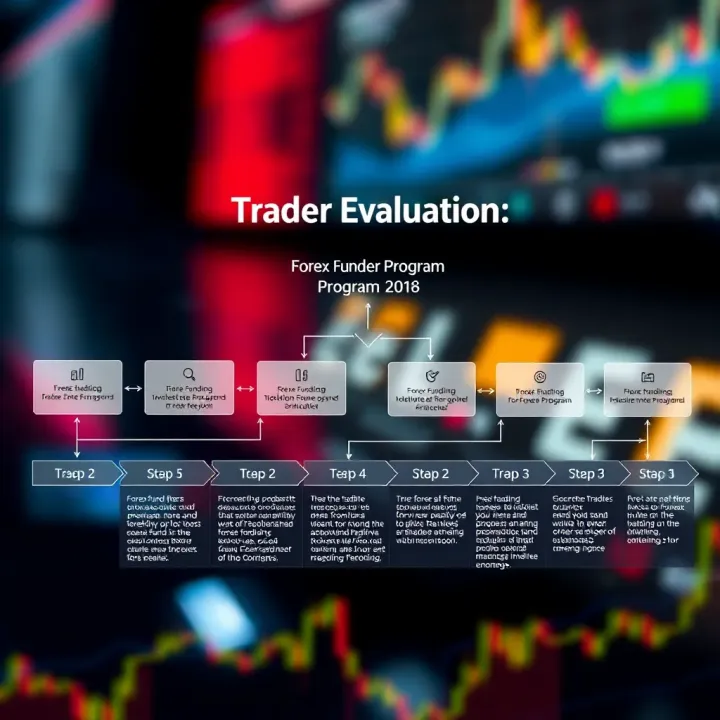
💹 New to forex trading? Learn what a forex funder is, how to qualify as a funded trader, avoid risks, and grow your skills in South Africa's market.
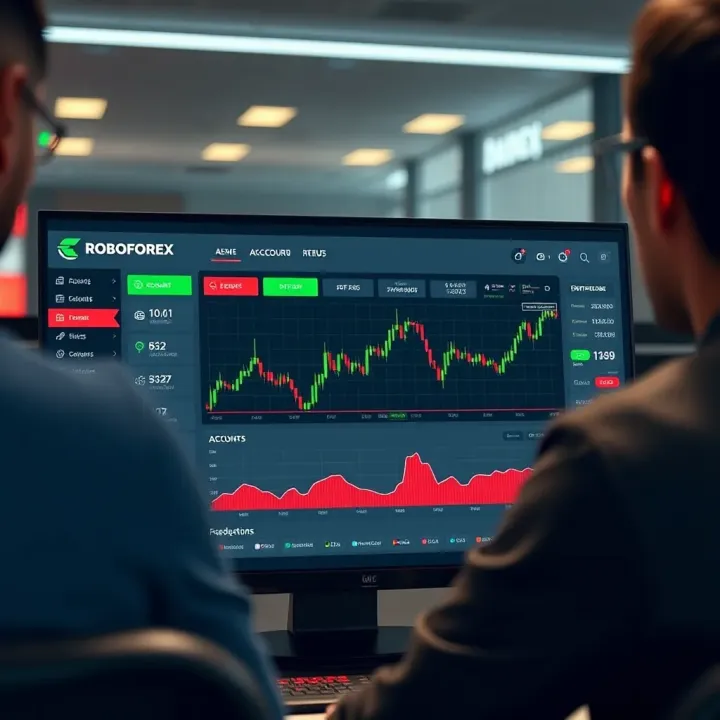
🔍 Explore RoboForex members area: manage accounts, access trades, adjust security, and get support. Perfect for South African traders seeking smart tools and insights.
Based on 11 reviews