

Quantum AI Trading and Financial Markets Impact
Explore how Quantum AI trading ⚛️ merges quantum computing with AI to reshape financial markets, offering new advantages and challenges for investors 📈.
Edited By
Henry Fletcher
AI trading bots have become a common feature in financial markets, quietly executing trades at speeds no human can match. These automated systems rely on algorithms — sets of rules created from data analysis — to make buy or sell decisions without direct human intervention.
South African traders are increasingly aware of these bots, as more local platforms and brokers offer algorithmic trading tools. What makes AI trading bots stand out is their ability to analyse vast amounts of market data in real time, spotting patterns or trends before traditional investors catch on. For instance, an AI bot could detect subtle shifts in commodity prices, like gold or platinum, and respond quickly to market conditions.
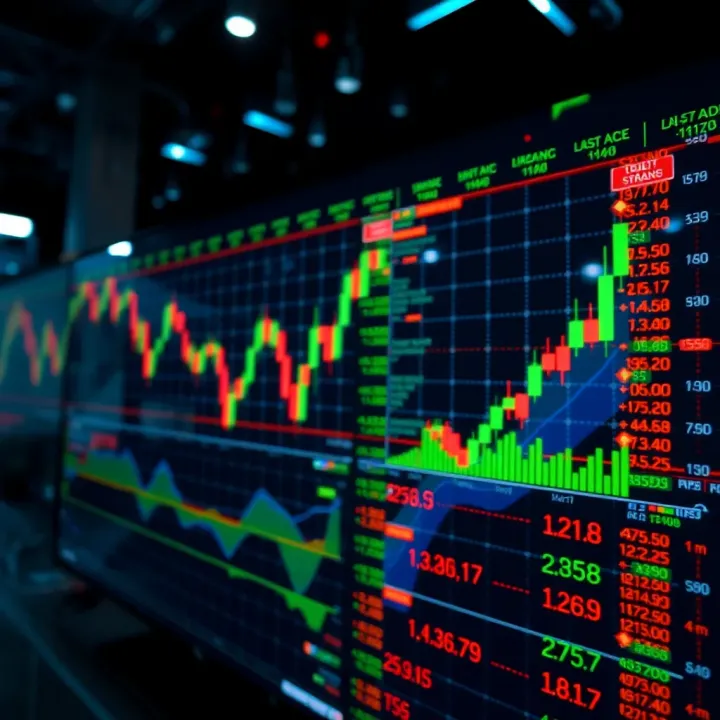
In simple terms, AI bots combine machine learning with historical and live market data to forecast price movements. They adapt by learning from previous trades, improving their accuracy over time. This approach differs from simple rule-based automated systems that execute trades without learning or adapting.
AI trading bots operate 24/7, allowing South African investors to capitalise on global market opportunities even outside local trading hours.
Understanding how these bots work helps traders appreciate the advantages they offer:
Speed and efficiency: Bots can react within milliseconds, faster than any manual trader.
Emotion-free decisions: They stick to algorithms, avoiding impulsive moves driven by fear or greed.
Data processing: AI handles thousands of data points simultaneously, such as news feeds, price charts, and technical indicators.
However, reliance on AI trading bots comes with risks. Rapid-fire trading can amplify market volatility during disruptions or unexpected events, such as abrupt changes in SARS tax policies or sudden shifts due to global crises. Plus, poorly programmed bots might misinterpret signals or operate under flawed assumptions.
For South African traders, incorporating AI bots involves considering local regulations, brokerage support, and connectivity stability, especially amid loadshedding challenges. Also, traders need to monitor bots regularly to adjust strategies and respond to market changes.
This article will further explore these aspects, giving you a clear picture of what AI trading bots can realistically deliver and how they shape today’s financial markets.
AI trading bots have become a notable force in financial markets by automating trading decisions using preset rules and complex algorithms. Understanding what these bots are and how they work helps traders and investors appreciate their benefits and risk factors, especially in volatile market conditions like those often faced in South Africa.
At their core, AI trading bots are software programmes designed to automatically execute buy and sell orders for financial instruments such as stocks, forex, or commodities. They monitor market data continuously and act according to their programmed strategies. For example, a bot may be set to buy shares once their price drops by a certain percentage and then sell them when the price rebounds. This removes the need for constant manual oversight and speeds up reactions to market movements.
The practical upside is clear: bots operate 24/7 without fatigue and are not influenced by emotional decisions that often trip up human traders, such as panic selling during a market dip. In the South African context where markets can be affected by sudden shifts like load-shedding announcements or political developments, quick automated responses can prove advantageous.
Rule-based algorithms rely on fixed instructions derived from technical indicators and price patterns. These bots follow a straightforward "if-then" logic: if a share's moving average crosses above a certain threshold, the bot triggers a buy order. This approach is practical for traders who want clear, predictable strategies without surprises.
However, such algorithms can struggle in unusual market conditions, as they don’t adapt to newly emerging trends or unexpected events. For example, a basic rule-based bot might continue to buy shares despite an unexpected political crisis in South Africa, where a more adaptive approach might halt trading.
Machine learning models adjust their strategies by learning patterns from historical and live market data. Unlike rule-based bots, they can improve performance over time by recognising more subtle signals and adjusting their operations as new data arrives. This adaptability can be especially helpful in the South African market, which can be impacted by local economic data releases or changes in commodity prices.
For instance, a machine learning bot could learn that certain sectors react strongly to SARB rate announcements and adjust its trading accordingly. Yet, these models require substantial data and computational power to function effectively and can sometimes behave unpredictably if trained on flawed data.
Some advanced AI trading bots incorporate natural language processing (NLP) to interpret news, social media, and analyst reports rapidly. This allows them to gauge market sentiment or react to breaking news faster than human traders.
In the South African setting, NLP-enabled bots might flag news such as strikes impacting ports or labour unrest in mining, which could influence share prices of affected companies. This capability grants traders an edge in fast-moving markets but also depends heavily on the accuracy and credibility of the news sources processed.
Understanding these different approaches to AI trading bots equips traders to select tools that best fit their risk appetite and trading goals, while remaining mindful of the bots’ limitations.
AI trading bots bring several practical advantages that improve how trades are executed in financial markets. These bots run continuously and can act far faster than any human trader, responding instantly to changing market conditions. That speed and efficiency give traders a real edge, especially in fast-moving markets like equities or forex where prices shift in fractions of a second.
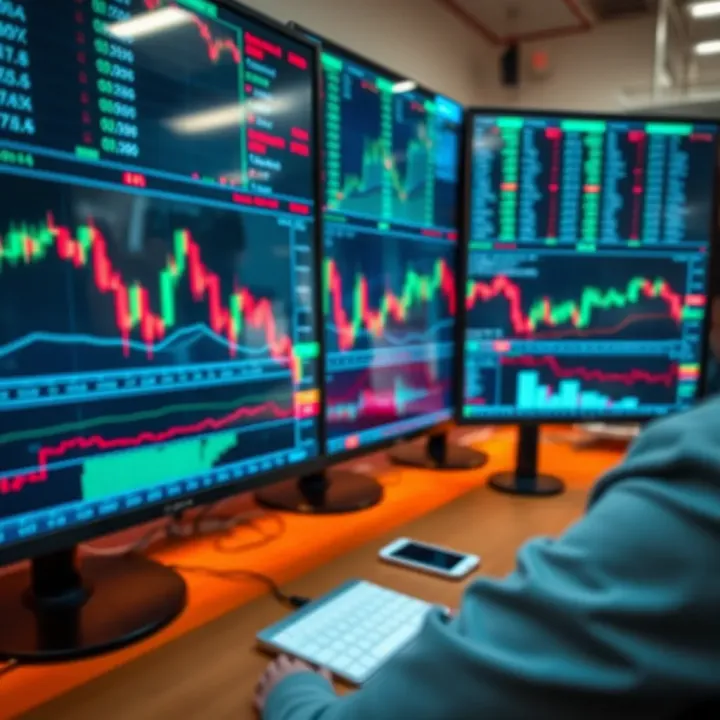
AI bots execute trades as soon as their algorithms identify opportunities. Unlike human traders, who must manually analyse charts or news, bots process market signals instantly. For example, during volatile periods when share prices swing wildly, bots can enter or exit positions faster than manual methods allow. This rapid execution can lock in profits or limit losses before the window closes. Furthermore, AI bots operate 24/7, allowing access to global markets even outside normal business hours, which is handy for traders dealing with international assets alongside local ones.
One of the trickiest challenges for human traders is managing emotions like fear and greed, which often cloud judgement. AI bots follow strictly logical rules, unaffected by emotional swings. This discipline prevents impulsive decisions, such as panic selling during a dip or chasing losses after a poor trade. For instance, a bot programmed to stick to a stop-loss level will close a position automatically, helping preserve capital. Over time, this unemotional approach can improve consistency and reduce costly mistakes caused by human biases.
AI trading bots can sift through massive amounts of data far beyond what a person could handle. This includes not only price and volume data but also news feeds, social media sentiment, and economic indicators. Machine learning models can detect subtle patterns and correlations that escape notice in traditional analysis. Take, for example, bots that parse Reuters or Bloomberg newsfeeds in real-time to gauge market sentiment on JSE-listed stocks. This capability enables more informed trading decisions based on a wide range of inputs, boosting a trader's insight and adaptability.
Overall, these advantages make AI trading bots powerful tools for traders aiming to keep pace with increasingly complex and fast markets. However, combining them with human oversight often yields the best results, allowing for strategic input alongside automated precision.
While AI trading bots bring speed and automation to trading, they carry inherent risks that traders must seriously consider. Ignoring these pitfalls can lead to steep losses and operational headaches, especially in fast-moving markets.
Financial markets are famously volatile, with rapid shifts often triggered by geopolitical events, economic data, or sudden sentiment swings. AI bots, while designed to react instantly, sometimes fail in these volatile conditions by amplifying price swings or behaving unpredictably. For example, during the 2020 market crash caused by the Covid-19 pandemic, some AI trading systems exacerbated losses as they triggered mass sell-offs almost simultaneously. This "herding effect" can increase volatility and sometimes lead to flash crashes—short-lived, dramatic drops in prices.
Bots operate on historical data and predefined algorithms, so unexpected events outside those patterns can confuse them. This highlights a key limitation: AI cannot perfectly anticipate black swan events, where market conditions drastically change beyond available data. South African traders must remain aware that despite automation, some situations require active human judgement to prevent excessive losses.
AI trading bots depend heavily on uninterrupted data streams and functioning IT infrastructure. When connectivity drops or data feeds are delayed or corrupted, bots might make faulty decisions. A simple example would be a bot acting on incomplete price information due to data feed delays during volatile periods, leading to orders that lose money.
Technical failures also include software bugs or glitches in the trading algorithms themselves. In South Africa, unstable internet in rural areas or during load shedding can worsen this issue. Ensuring reliable connectivity and having backup systems or manual override options are crucial to avoid costly malfunctions. Traders should perform regular system checks and keep logs to identify anomalies early.
AI trading bots present challenges for regulators in South Africa’s financial sector. The Financial Sector Conduct Authority (FSCA) is increasingly scrutinising automated trading to ensure fair practice, transparency, and investor protection. South African traders need to understand compliance obligations, including adherence to anti-money laundering laws such as the Financial Intelligence Centre Act (FICA).
Ethically, bots may sometimes engage in market manipulation unintentionally due to flawed algorithms, such as quote stuffing or layering strategies, which disrupt market integrity. The retail investor could get caught out by bots exploiting tiny fractions of a second advantage.
Traders should always combine AI tools with clear oversight and a strong understanding of local regulations and ethical considerations to mitigate risks effectively.
By recognising these risks early, traders in South Africa can better prepare and navigate the complexities of AI-driven financial markets. Proper risk management, regular monitoring, and staying updated on regulatory changes are essential steps to balance innovation with safety.
South African traders need to consider several practical factors before adopting AI trading bots. The local market’s unique characteristics—such as liquidity, volatility, and regulations—can significantly influence bot performance. So, understanding how to choose the right bot, maintain a balance between automation and oversight, and know the costs involved can improve your chances of success.
Selecting a bot that suits South Africa’s financial environment is essential. Many global bots focus on forex or US stock exchanges, which may not align with JSE dynamics or the rand’s volatility. For instance, a trading bot optimised for the S&P 500 may not handle the JSE Top 40 as effectively because of different market behaviours and trading volumes. Look for bots that allow customisation or have strategies designed for emerging markets.
Additionally, bots that can incorporate local news and sentiment analysis—such as political developments or Eskom load-shedding impacts—offer an edge. If you trade cryptocurrencies popular in Mzansi, like Bitcoin or Ethereum, ensure the bot integrates with local exchanges or can handle deposits through popular South African payment methods.
Even the most advanced AI bots can’t replace human judgement entirely. Automation saves time and reduces emotional trading, but market conditions can shift rapidly due to unexpected events, like municipal policy changes or global commodity price swings affecting mining stocks.
It’s wise to monitor bot activity regularly and set clear stop-loss limits or intervention triggers. For example, if your bot starts to take unusually high risks during volatile periods, stepping in quickly can prevent big losses. Many South African traders opt to run bots during specific hours—such as when local markets are open—rather than 24/7, allowing better control.
Costs vary widely among AI trading bots. Some charge a flat monthly fee; others take a percentage of profits or a mix of both. Besides subscription charges, consider brokerage fees, data feed costs, and internet reliability, especially if your connection is prone to disruptions during loadshedding.
Typical returns depend on bot strategies and market conditions. For example, conservative bots targeting blue-chip shares may yield steady, modest income, while aggressive bots trading volatile pairs can have higher returns but greater risk. As a benchmark, some South African traders aim for consistent monthly returns around 3% to 5%, which can compound nicely over time.
Always weigh expected returns against all costs and risks. Don't get lured by promises of quick profits; focus on steady performance and sound risk management.
In sum, South African traders interested in AI trading bots should carefully assess which tools match the local market, maintain an active role even when using automation, and factor in all associated costs for realistic expectations. This approach ensures smarter trading decisions tailored to Mzansi’s financial landscape.
Understanding the regulatory landscape is key for anyone looking to use or develop AI trading bots in South Africa. The guidelines and rules set by local authorities aim to ensure fair trading practices, protect investors, and address the specific risks tied to automated and algorithmic trading.
The Financial Sector Conduct Authority (FSCA) acts as the primary watchdog for financial markets, including those involving AI trading bots. Their role includes making sure firms and traders adhere to market conduct standards, preventing manipulation, and fostering transparency. For example, if a trading bot triggers abnormal market activity, the FSCA can investigate to confirm compliance with the Financial Markets Act.
Traders and bot providers must register with the FSCA if they offer financial services, even when automation is involved. This registration subjects them to ongoing supervision and requires disclosures around bot functionality, risks, and fees. Monitoring bot trading behaviour helps limit harmful impacts such as flash crashes or unfair advantages. The FSCA’s active oversight reassures South African traders that AI-driven systems work within clear boundaries.
South African AI trading bots must also comply with key laws like the Financial Intelligence Centre Act (FICA) and the Protection of Personal Information Act (POPIA).
FICA requirements focus on combating money laundering and the financing of terrorism. AI trading platforms need to verify customer identities and monitor transactions for suspicious activity, just like traditional brokers. This means trading bots linked to accounts must handle client due diligence properly. For instance, a bot used by an investment firm will need protocols to ensure each user’s identity has been checked before trading on their behalf. Failure to meet these rules can lead to hefty penalties, so thorough identity checks and record-keeping are essential.
POPIA implications deal with the protection of personal information collected during bot use or trading. Since bots often access large amounts of client data, including financial history and behavioural patterns, firms must secure this data against unauthorised access or leaks. Traders should look for AI services that comply with POPIA’s conditions on data processing, consent, and security. For example, an AI provider must not share your data with third parties unless explicitly permitted and must have safeguards to prevent hacks or data misuse.
Staying on top of these regulations helps South African traders navigate the evolving trading bot landscape safely, while promoting trust and integrity in AI-driven financial markets.
In summary, the FSCA sets the rules and supervises compliance, while FICA and POPIA ensure financial actions are legal and personal data stays protected. Together, these regulations form the backbone of a responsible AI trading environment in South Africa.
The future of AI in trading holds major implications for financial markets worldwide, including South Africa. Understanding what lies ahead helps traders, investors, and financial professionals prepare for changing landscapes, adapt to new tools, and identify fresh opportunities. Upcoming technologies will expand the capabilities of AI trading bots, while shifts in market behaviour may demand more sophisticated strategies and regulatory responses.
AI trading bots are evolving through advances in several key technologies. Quantum computing, though still in early stages, promises to dramatically increase processing speeds, enabling bots to analyse vast datasets and simulate complex market scenarios much faster than today’s classical computers. This could translate to quicker, more accurate decisions in volatile markets.
Another notable development is the rise of federated learning. This technique allows AI models to train on data across various sources without centralising sensitive information. For South African traders, it means improved bot performance through shared market insights without compromising data privacy, which aligns with local data protection laws like POPIA.
Natural language processing (NLP) is also advancing rapidly, with bots increasingly able to interpret and act on news headlines, social media sentiment, and official reports in real time. This real-time insight allows bots to react quickly to local events, such as changes in SARB monetary policy or unexpected developments in commodity prices that affect the rand.
The integration of AI trading bots will likely reshape market patterns. One expected change is increased market efficiency. Bots operate 24/7 and react instantly to market data, reducing pricing anomalies and arbitrage opportunities. While this may narrow profit margins for individual traders, it enhances overall market stability.
On the other hand, automation might raise concerns about herd behaviour. If many bots follow similar algorithms and signals, this could amplify swings during times of stress—something South African markets have experienced during sudden rand volatility or Eskom-related shocks.
Regulatory environments will also need to evolve. The FSCA and other watchdogs might increase scrutiny over AI-driven trades to prevent market manipulation and ensure fairness. Local traders should stay informed about new rules to avoid compliance risks.
As AI trading bots become more embedded in financial markets, South African traders must remain adaptable. Keeping an eye on emerging technologies and market shifts will be key to navigating a landscape where speed, data, and regulation intertwine more than ever.
By understanding these trends, traders can make better-informed decisions, whether fine-tuning AI strategies, balancing automation with hands-on oversight, or staying ahead on regulatory changes. The future of AI in trading doesn't just promise smarter bots—it calls for smarter, more agile traders.
Explore how Quantum AI trading ⚛️ merges quantum computing with AI to reshape financial markets, offering new advantages and challenges for investors 📈.
🤖 Understand how forex trading bots operate, their pros and cons, plus tips for picking the right one while staying compliant with South African trading rules.

🤖 Explore robot trading in South Africa: how automated strategies work, key benefits, risks, algorithms, regulations, and future trends shaping markets.
Explore scope markets 🛒 in detail—definitions, business strategies, challenges, and practical tips to expand and succeed across industries in South Africa.
Based on 7 reviews