

Understanding Leverage at RCG Markets for South African Traders
Explore RCG Markets leverage options 🔍 Understand how to manage risks & benefits effectively! Compare with other brokers for South African traders 🇿🇦📈
Edited By
Henry Cooper
Leverage plays a big part in trading micro accounts, especially here in South Africa where every Rand counts. In simple terms, leverage is the ability to control a larger position with a smaller amount of capital. For example, with 1:100 leverage, you can manage R1,000 worth of assets with just R10 in your account. This can boost your profits but also amplify losses, so it’s a double-edged sword.
South African traders often start with micro accounts due to lower capital requirements, making the right leverage choice crucial. Choosing too high leverage might seem tempting, but it can eat into your account quickly if a trade goes south. Conversely, too low leverage limits potential gains and might require more capital than you have.
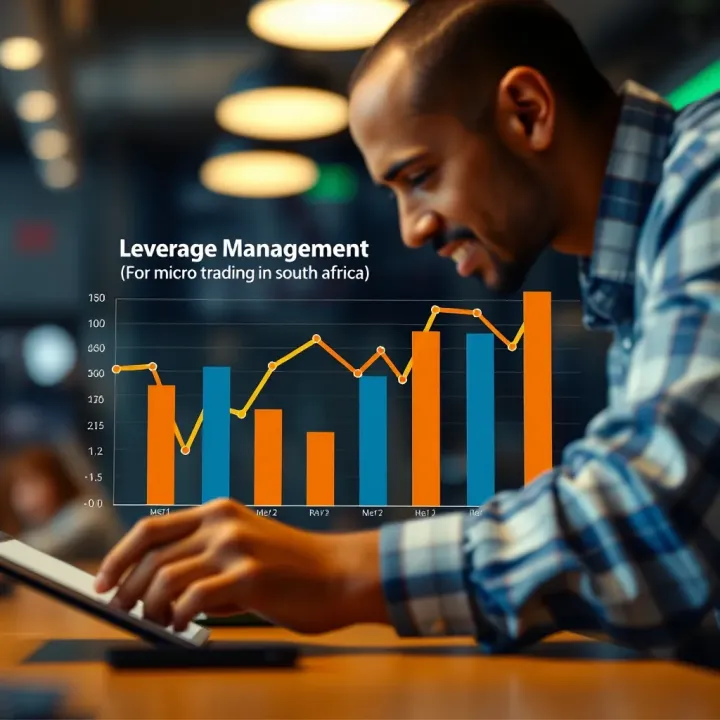
Understanding what leverage really means isn't just about maths; it's about managing your money wisely to stay in the game longer.
Here’s the straightforward truth: leverage isn’t a free lunch. It magnifies your exposure, which means bigger swings in your account balance. For instance, a 1% market move on a trade with 1:100 leverage means a 100% shift in your initial margin on that position. So, being cautious with leverage is vital for protecting your capital.
Many brokers in South Africa offer leverage ranging from 1:10 up to 1:500 for micro accounts, but regulatory changes and personal risk tolerance should guide your choice. New traders might do well starting at lower levels like 1:10 or 1:20 to get a feel, rather than jumping straight into higher ratios.
In the sections that follow, we’ll break down how to balance risk and opportunity with leverage, highlight common mistakes, and provide tips to manage your micro account with a smart leverage strategy tailored to typical South African trading conditions. This practical approach aims to help you keep your R safe while still grabbing decent opportunities in the market.
Grasping what leverage means, especially for micro trading accounts, helps you trade smarter and protect your capital. Leverage boosts your buying power, letting you open bigger positions with less money upfront. Meanwhile, micro accounts provide a low-cost entry into trading, keeping risks manageable as you learn or test strategies.
Leverage is essentially borrowed capital from your broker that lets you control a larger position than your actual deposit. For example, with 1:100 leverage, a R100 deposit can control R10,000 worth of currency or shares. This magnifies both potential gains and losses.
How leverage changes your position size and margin requirements is key. The margin is the actual amount you put down to open a trade, while leverage determines how much larger your total exposure can be. Using higher leverage means you need less margin, but your risk of big losses rises accordingly. Traders must balance leverage carefully to avoid blowing out their account quickly.
Micro accounts are tailored for small investors, often requiring deposits as low as R100 to R500. This low entry point lowers barriers, allowing you to test the waters without risking a large amount. For instance, many local brokers offer micro accounts specifically aimed at rookies or those with limited funds.
Trade volumes in micro accounts are usually set in micro lots, which are one-tenth the size of standard lots. This means you can open trades on smaller scales, making it easier to manage risk and avoid large swings. For example, instead of trading 100,000 units of a currency, you might trade 1,000 units with a micro lot.
Micro accounts tend to suit beginners and smaller investors well because they help manage risk through smaller trade sizes and lower capital requirements. This setup lets you learn trading nuances without the pressure of juggling large sums, plus it encourages practising sound money management from the outset.
Remember, understanding how leverage and micro accounts work together lays the groundwork for developing a sensible and sustainable trading style.
By knowing what leverage does and how micro accounts operate, you’re better positioned to make informed choices about risk and growth potential in your trading journey.
Leverage plays an essential role in trading micro accounts because it directly affects how much market exposure a trader can achieve with a limited amount of capital. For those trading small accounts—common among South African beginners—a suitable leverage ratio can mean the difference between meaningful growth and early wipeout. It's about balancing opportunities to grow your R with the risks you can tolerate.
Leverage allows traders to control a larger position size than their actual account balance. For example, with 1:100 leverage, a trader with R1,000 can open positions worth up to R100,000. This magnifies potential profits since even small price movements can translate into noteworthy gains. If the market moves 1% in your favour on that R100,000 position, you stand to make R1,000—effectively doubling your original capital with just a small price change.

However, the same principle works against you. High leverage also magnifies losses. If the market moves 1% against your position, you lose R1,000, wiping out your entire account in a flash. This risk is particularly dangerous for micro accounts with modest funds because even small adverse market swings can quickly deplete your capital. Traders need to remember that while leverage can accelerate profits, it can just as easily accelerate losses.
South African brokers typically offer leverage ranging from 1:10 up to 1:500 for micro trading accounts, though regulatory rules often cap maximum leverage lower for retail clients. For instance, brokers regulated by the Financial Sector Conduct Authority (FSCA) usually limit leverage to 1:200 for forex trading. These levels allow traders to pick leverage suited to their risk appetite and trading style.
Lower leverage (e.g., 1:10 to 1:50) offers more risk control, letting you manage trades without exposing your whole account to violent price swings. Although profits may come slower, you're less likely to face margin calls or rapid depletion. On the other hand, higher leverage (such as 1:200 or above) can boost returns significantly for traders who understand when to enter and exit markets. Still, it requires strict risk management and discipline.
Choosing the right leverage is not about chasing bigger profits but about matching your trading experience and capital size with a sensible level of risk. Poorly chosen leverage can make even the smartest strategies fail.
In summary, micro account traders should carefully weigh how much leverage to use, balancing their potential gains with the very real risk of losing their initial capital quickly. Starting conservatively and adjusting as confidence grows can help avoid common pitfalls and build a sustainable trading journey.
Choosing the right leverage for a micro trading account isn’t just a box-ticking exercise—it directly influences your ability to manage risk and grow your trading pot steadily. Several factors come into play, especially when you consider the unique constraints and opportunities of micro accounts, which usually have smaller capital and tighter margins.
Why beginners should opt for lower leverage: Beginners often underestimate how quickly leverage can amplify both gains and losses. Starting with lower leverage (like 1:5 or 1:10) helps new traders avoid burning through their capital too rapidly while they get their feet wet. Low leverage allows you to focus on learning market behaviour and honing your strategy without the pressure of massive swings.
How short-term versus long-term trades affect leverage choice: For short-term or day trading, higher leverage may be tempting since you aim for quick profits from small price movements. Yet this also means exposure to sudden fluctuations can wipe out profits fast. For longer-term trades, where positions might be held over days or weeks, lower leverage makes more sense to avoid margin calls from market noise. For example, a swing trader in the JSE might prefer 1:10 leverage to stay protected during volatile sessions.
Setting stop-loss orders to limit losses: Stop-loss orders are a trader’s safety net—they automatically close a position once it hits a predetermined loss level. This tool becomes even more essential when using leverage, as it prevents a single bad trade from draining your entire micro account. Consider placing stops at realistic support/resistance points, ensuring you don’t get taken out by normal market rattles but still cap losses.
Keeping position sizes manageable: Even with leverage, controlling the size of each trade helps avoid oversized risk exposure. For instance, rather than using all your micro account on one trade at 1:50 leverage, split the capital across smaller positions with lower effective leverage. This makes it easier to weather a losing streak and stick to your overall risk limits.
Regulatory limits on maximum leverage: The Financial Sector Conduct Authority (FSCA) in South Africa places caps on leverage, often maxing out around 1:30 for forex. These rules aim to protect traders from excessive risk but also mean you need to work within defined boundaries. It’s worth choosing brokers that comply fully with local regulations to avoid nasty surprises.
Economic factors influencing volatility and margin calls: South Africa’s market often faces volatility from factors like load shedding, changes in SARB’s interest rate, and political developments. These can cause sudden price swings affecting your margin. For example, unexpected Eskom announcements sometimes trigger sharp currency moves, increasing margin call risk if your leverage is too high. Therefore, a conservative leverage approach helps navigate these economic uncertainties.
Managing leverage wisely means balancing your hunger for profit with a solid understanding of risk factors unique to micro accounts and the South African trading environment.
By considering your experience, trade style, risk controls, and local market specifics, you can select a leverage level that suits your circumstances without gambling away your capital too early.
Managing leverage properly can be the difference between growing your micro account steadily and wiping it out quickly. These tips help you avoid common traps and make the most of leverage, especially when trading in volatile markets like those in South Africa. Leverage isn't just about amplifying potential profits — it’s also a powerful tool to control the risks you take.
Using leverage to control risk exposure means starting small and not jumping straight into high multiples. For example, using 5:1 leverage instead of 100:1 on your R1,000 micro account keeps your margin call risk low. This way, a sudden price move won’t drain your capital overnight. Conservatism at this stage lets you learn without betting the farm.
Gradually adjusting leverage as confidence grows encourages scaling up only as you become comfortable with how your broker's platform works and how your trades respond. Maybe after a month or two of successful trades with 5:1 leverage, you increase to 10:1 cautiously. This approach prevents reckless risk-taking and allows you to gauge the market’s mood without overstretching your financial muscle.
How to avoid margin calls and forced liquidations is critical because these events can wipe out your funds. Keep a close eye on your margin utilisation — if your open trades start eating up too much of your available margin, close some trades or add funds. Don’t ignore platform warnings; margin calls happen fast if you're not careful.
Using broker platforms to track leverage usage is straightforward these days, with most brokers offering detailed dashboards. For example, platforms like MT4 or cTrader show your current leverage ratio, margin level, and free margin in real time. Regular checks on these figures help you stay ahead and adjust positions before trouble starts.
Resisting the temptation of excessive leverage is easier said than done, especially when you think a trade will definitely go your way. High leverage might seem tempting but can quickly blow your account, even with small price swings. Keeping leverage low helps you focus on developing good habits rather than chasing risky gambles.
Understanding the implications of overnight swaps and fees is often overlooked. Holding leveraged positions past a certain time can incur overnight financing costs, which might eat into your profits. For a micro account trader where every cent matters, daily swap fees can accumulate. Always check your broker’s swap rates and try to close positions before rollover times if fees start stacking up.
Proper leverage management is about patience and discipline, not haste and high risk. Starting cautiously, staying aware of your margin, and avoiding common mistakes is the best way to protect and grow your micro trading account over time.
Striking the right balance between risk and reward is vital when trading a micro account with leverage. Too high a leverage might promise quicker gains but can wipe out your capital fast. On the flip side, overly conservative leverage limits your profit potential and slows your learning curve. This conclusion wraps up key points to help South African traders choose leverage settings wisely, protecting their investment while still aiming for growth.
Balancing growth potential with risk controls is about recognising how much you can safely risk to chase returns. For instance, if you use 1:100 leverage on a R500 micro account, a small 1% adverse move in price could erase a significant part of your capital. In practical terms, setting leverage at 1:10 or 1:20 might slow gains but gives you breathing room to weather market swings. This approach allows for a steadier growth path by combining modest position sizes with strict stop-loss orders.
Wise traders manage risk first, then look to expand exposure as confidence grows. With micro accounts, controlling losses is often more important than chasing outsized profits. By employing leverage carefully, the capital lasts longer, letting you learn market behaviour without burning through your funds quickly.
Adapting leverage choices as skills and market conditions evolve is another key takeaway. Beginners should start with low leverage, focusing on familiarising themselves with trading platforms, strategies, and markets. As skills improve and you better understand volatility and margin requirements, you can cautiously increase leverage. For example, moving from 1:10 to 1:30 is a gradual step that permits bigger trades but still keeps risk manageable.
Market conditions also matter — during times of high volatility such as political uncertainty or economic data releases, even experienced traders might dial down leverage. Conversely, when markets are calm, slightly higher leverage could be reasonable. Being adaptive avoids surprises and helps preserve your capital long term.
Choosing reputable brokers regulated locally is essential for protecting your money and trading integrity. South Africa's Financial Sector Conduct Authority (FSCA) oversees many brokers, ensuring they meet rules on client fund segregation and transparency. Dealing with authorised brokers like those on FSCA’s registry minimizes the risk of fraud or unfair practices. Additionally, brokers regulated locally often provide access to South African rands (ZAR) accounts, avoiding costly currency conversion fees.
On the other hand, offshore brokers may offer higher leverage but with increased risks related to legal protection and withdrawals. So, while it might be tempting to chase better terms abroad, prioritising a watchdog-regulated broker supports peace of mind and smoother trading experience.
Continuously educating yourself on trading best practices cannot be overstated. Markets evolve, new instruments emerge, and strategies that worked last year might not perform today. Regularly reading market analysis on platforms like MyBroadband or Moneyweb, joining local trading forums, or attending webinars offered by brokers helps keep your skills sharp.
Keeping a trading journal to reflect on past trades, noting what went right or wrong with your leverage choices, is another useful habit. Over time, this continuous learning cycle refines your approach, helping you avoid mistakes like over-leveraging or ignoring margin calls.
Remember, trading is a marathon, not a sprint. Patience, discipline, and steady improvement, combined with sensible leverage, increase your chances of success in micro account trading.
Finding the right leverage balance is all about knowing your tolerance for risk, your skill level, and the market environment. With disciplined application of these principles, South African micro traders can protect their capital while nurturing potential growth.
Explore RCG Markets leverage options 🔍 Understand how to manage risks & benefits effectively! Compare with other brokers for South African traders 🇿🇦📈
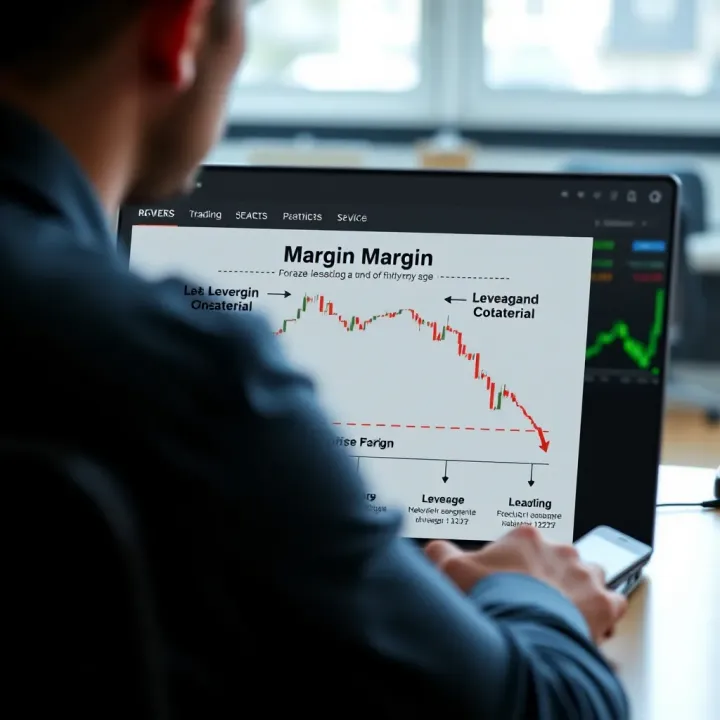
📉 Understand forex trading margin, how it works in South Africa, manage risks smartly with local tips, margin requirements, and practical guidance for safer trading.
📊 Explore binary option trading platforms for South Africans: learn how they work, spot risks, check local regulations, and use tools to trade smarter.
📈 Get to grips with indices in forex trading: how they affect currency pairs and strategies tailored for South African traders in shifting global markets.
Based on 14 reviews