
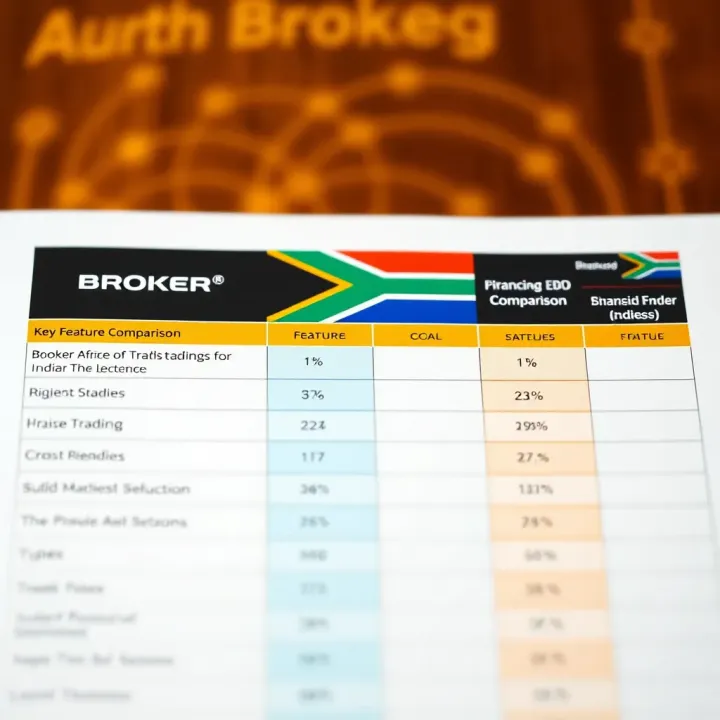
Choosing the Best Broker for Trading Indices in South Africa
📈 Discover how to pick the best broker for trading indices in South Africa. Compare local & global options, get tips for safe, smart investing tailored to your needs.
Edited By
Emily Harrington
Trading synthetic indices has gained traction among South African traders keen on diversifying portfolios beyond traditional shares or forex. These indices mimic real-world market movements but operate 24/7 and aren’t affected by geopolitical events or economic data releases. This unique feature offers steady trading opportunities, even when local markets are closed.
Choosing the right broker is fundamental when dealing with synthetic indices. The broker not only provides access but also plays a key role in security, pricing, and trade execution quality.
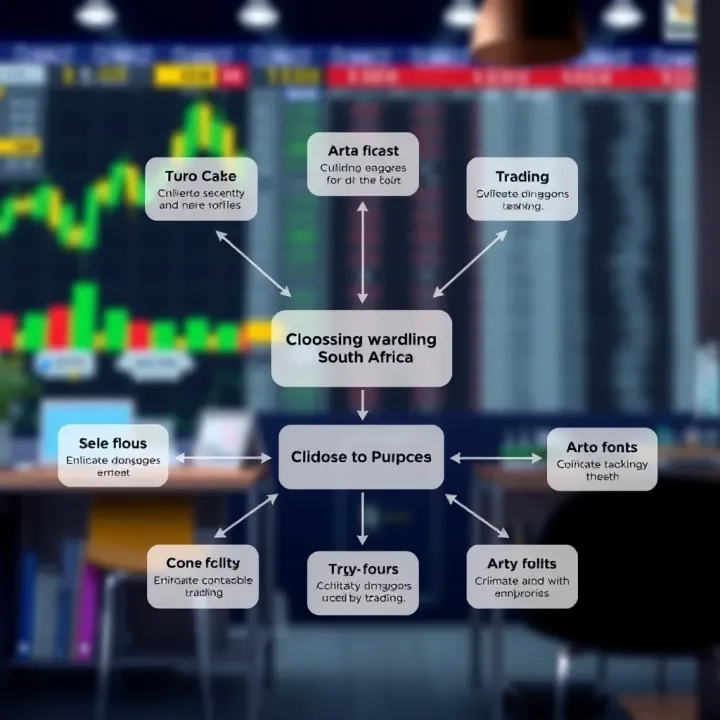
South African traders must consider several factors before committing funds:
Regulatory compliance: Ensure the broker is licensed by recognised authorities such as the Financial Sector Conduct Authority (FSCA). Unlicensed brokers may leave you exposed to fraud or unfair practices.
Transparency of terms and conditions: Look out for hidden fees, withdrawal restrictions, or unusual margin requirements. Brokers should clearly disclose all costs and trading conditions.
Asset availability and platform quality: The broker should offer a range of synthetic indices and reliable trading platforms compatible with your devices.
Customer support: Accessible, localised support helps resolve issues, especially when navigating non-standard products like synthetic indices.
South African traders must avoid brokers that promise unrealistic returns or operate without proper licences — safety and fair conditions outweigh flashy promises.
In other words, the best broker balances strong regulation, clear trading terms, and robust technology. This foundation supports effective trading and shields you from unnecessary risks.
This article will explore practical steps to vet brokers, identify red flags, and understand the finer details of synthetic indices trading tailored to South African conditions.
Understanding synthetic indices is essential for traders considering them as part of their portfolio. Unlike traditional financial instruments, synthetic indices are artificially generated through algorithms rather than reflecting real-world asset prices. They simulate market conditions such as volatility or trends, making them a unique trading option especially popular among South African traders looking for alternatives amidst local market volatility and loadshedding challenges.
Synthetic indices mimic the behaviour of real financial indices but don’t depend on actual market data. Instead, a random number generator combined with advanced algorithms creates price movements. For example, a 'volatility index' might simulate rapid price swings over short periods, offering traders opportunities to speculate on these simulated changes rather than real asset prices.
Unlike shares or Forex that follow tangible economic factors, synthetic indices operate continuously without being tied to company performance or geopolitical events. This artificial construction means the market runs 24/7 without interruptions, an advantage in itself.
The key difference lies in their origin and behaviour. Traditional indices like the JSE Top 40 reflect actual stock prices traded on a recognised exchange, while synthetic indices are purely algorithm-driven. This removes reliance on real-world events but also alters risk profiles. For instance, you won't face the same company-specific news shocks with synthetic indices, but the volatility can be consistent, sometimes even exaggerated by design.
The lack of direct correlation to real markets means synthetic indices can serve as a diversification tool, avoiding some systemic risks seen in local equity or currency markets. However, traders must understand they’re dealing with synthetic constructs, not actual assets.
One major appeal is 24/7 availability. Unlike equities that trade mainly during exchange hours, or Forex that pauses on weekends, synthetic indices keep going all day, every day. This continuous market offers flexibility, letting you trade before or after your day's work without worrying about missing out.
Faster price movements and inherent volatility attract traders who want more action or quicker outcomes. For example, a volatility index might see sharp price fluctuations every few minutes, creating many trading chances throughout the day. This can be a double-edged sword: while it offers profit potential, risks escalate too.
Lastly, synthetic indices provide a chance to diversify. South African market conditions, from currency swings to economic policy shifts, can limit gains on traditional assets. Using synthetic indices alongside local shares or Forex can spread risk and smooth out portfolio performance during turbulent times.
Synthetic indices offer a fresh trading landscape that runs all day and night, with unique volatility and diversification possibilities—ideal for South African traders seeking alternative market exposure.
In summary, understanding what synthetic indices are and why they attract traders sets a solid foundation. It helps you decide if these instruments align with your risk appetite, trading style, and goals in South Africa’s often unpredictable financial environment.
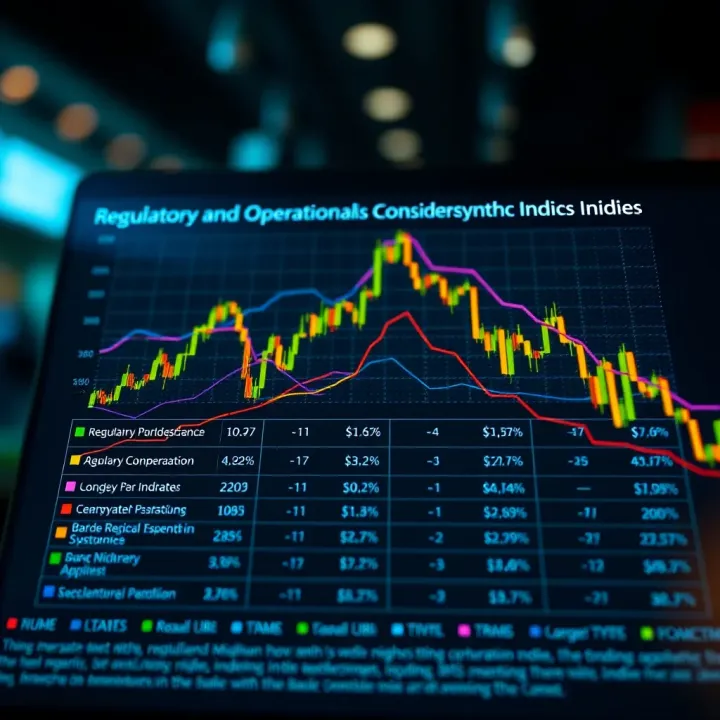
When trading synthetic indices in South Africa, choosing the right broker is more than just picking the one with the fanciest ads. It matters because your broker directly affects your trading experience, safety, and ultimately your chances of making a profit. Key factors like regulation, platform features, and costs aren’t just boxes to tick; they shape how securely and efficiently you can trade synthetic indices.
South African traders benefit greatly from working with brokers regulated by the Financial Sector Conduct Authority (FSCA). The FSCA oversees financial services to protect consumers and ensure fair practices. When a broker is FSCA-regulated, it means they adhere to strict rules around client fund safety, transparency, and dispute resolution. For example, FSCA supervision ensures your deposited Rand is kept in separate accounts, reducing the risk of misuse.
Choosing an unregulated broker, however, exposes you to unnecessary risks. These can include lack of clarity on where your money goes, or worse, falling victim to scams. Since synthetic indices are market instruments created by algorithms rather than real-world companies, trust in the broker's integrity is even more critical. Without appropriate regulation, the broker might manipulate prices or withdraw funds unexpectedly.
Availability of synthetic indices varies between brokers. Some provide only a handful of volatility or trend-following indices, while others offer a wider range, which is good if you want to diversify your strategies. A broker that doesn’t list synthetic indices at all simply isn’t a candidate.
Beyond availability, the quality of the trading platform matters a lot. A clear, intuitive user interface helps you make quicker, better decisions especially during volatile moves. Useful tools like customisable charts, technical indicators, and real-time price alerts can significantly boost your trading edge. For instance, a platform like MetaTrader 5 paired with good analytical tools is often preferred.
Device compatibility is another factor. Many traders start on desktop setups but switch to trading on mobile during commutes or breaks. A platform that works smoothly both on a desktop computer and on mobiles—including popular Android and iOS devices—ensures you stay connected to your positions without hassle.
Minimum deposits can vary widely. Some brokers allow you to start trading with as little as R100, which is great if you want to test the waters with smaller amounts. Others require larger deposits, which might offer additional perks like personalised account managers but pose higher initial risks.
Commissions and spreads affect your bottom line directly. Brokers may charge wider spreads on synthetic indices due to their volatility. It's worth comparing spreads and any extra fees to avoid surprise costs. For example, a broker charging a 1.5-pip spread versus one charging 0.8 pips can make a noticeable difference over time.
Leverage options let you control larger positions with a smaller amount of money, but this comes with bigger risks. Regulators often limit leverage to protect traders. In South Africa, typical leverage for synthetic indices ranges from 1:10 to 1:50. Choose a broker offering leverage levels that fit your trading style and risk appetite rather than going for the highest leverage just because it’s available.
Always remember: a low-cost broker with poor platform features or weak regulation may hurt more than help your trading journey.
Balancing these key factors will help you pick a broker that suits your needs and safeguards your investment while you explore synthetic indices trading in the South African market.
Synthetic indices have become key instruments for many South African traders who want exposure to varied market behaviours without relying on traditional assets. Understanding the common types of synthetic indices different brokers offer helps you pick opportunities that suit your trading style and risk appetite.
Volatility indices represent the swings or turbulence in price movements within a set period. For example, a volatility index labelled "VIX" on some platforms might track faster, sharper price changes designed to mimic market jitters. These are especially attractive to traders looking to capitalise on rapid price shifts. Because they simulate stochastic price action, volatility indices can serve as interesting hedging tools or speculative bets during uncertain times. The shorter trading cycles and quick fluctuations mean you need to keep a close eye, but the potential for short-term gains is notable.
Range-bound indices reflect prices fluctuating within a certain fixed band or range rather than trending strongly upwards or downwards. This type suits traders who prefer stability and seek to profit from predictable oscillations rather than directional trends. An example could be a synthetic index modelled to move between 500 and 600 points, offering regular peaks and troughs. South African traders who prefer less drama but consistent chances for entry and exit might lean towards range-bound indices to reduce exposure to wild swings.
Trend-following synthetic indices mimic ongoing directional movements, either up or down, over extended periods. Unlike range-bound indices, these favour traders who spot sustained trends or momentum shifts. A synthetic trend-following index might simulate bull markets or bearish retreats, providing opportunities for swing or position traders to benefit from directional bias. For instance, if you’ve got a read on a prolonged upward move based on technical factors, trading these indices lets you play that trend without worrying about underlying asset fundamentals.
Use of random number generators and algorithms is central to creating synthetic indices. Instead of relying on real-world price feeds, brokers use algorithm-driven models powered by random number generation to construct price movements. These algorithms factor in volatility patterns, market cycles, and probabilistic outcomes to simulate realistic but artificial indices. This approach means synthetic indices function independently of external market news or events, which can be a benefit or risk depending on your strategy.
Ensuring market fairness involves brokers implementing transparent and auditable systems that clients can trust. Since synthetic indices are broker-created, their fairness depends heavily on the underlying algorithms and data integrity. Reputable brokers often provide access to RNG audits or certificates confirming the randomness and absence of manipulation. This transparency helps South African traders know they’re dealing with fair prices and are not at a disadvantage when trading.
Differences from real-world market indices are significant and impact trading approaches. Real indices reflect aggregate performance of listed companies or commodities and respond to real economic data, earnings, and events. Synthetic indices, on the other hand, generate value purely from models and algorithms without linking to actual assets. As such, they can run 24/7, offer continuous volatility, and avoid external shocks tied to macroeconomic developments but lack fundamental drivers. Traders need to understand these distinctions to avoid misreading price signals or misapplying traditional stock market strategies.
Choosing the right broker includes knowing the kinds of synthetic indices they offer and the mechanics behind them. This knowledge can sharpen your edge in a trading space that’s quite different from the usual stock or Forex markets.
Offering a mix of volatility, range-bound, and trend-following synthetic indices lets brokers cater to diverse strategies. South African traders should weigh these options carefully, combining this with considerations on platform usability and regulation, for confident synthetic indices trading.
Trading synthetic indices carries risks worth understanding before committing your money. Unlike traditional assets, these indices are simulated using algorithms, meaning their behaviour isn't tied directly to physical markets. This difference brings unique challenges that South African traders should navigate carefully to protect their funds and trade sensibly.
One of the main worries with synthetic indices is the potential for market manipulation. Since prices are generated by the broker's algorithms, there's a chance some unscrupulous operators might alter outcomes to their advantage, especially if they act as the counterparty to your trades. For example, a trader may notice suspicious price spikes or drops occurring conveniently around their stop-loss points. Clearly, this risk makes it essential to pick brokers regulated by the Financial Sector Conduct Authority (FSCA) or similarly trusted bodies known for tough oversight.
Synthetic indices often show sharper and quicker swings than traditional markets. This high volatility can mean bigger profits but also larger losses in a short time. For instance, a South African trader may open a position expecting moderate moves but find the index swinging wildly, wiping out gains fast. This unpredictability demands a solid plan and risk management; you don’t want to be caught off guard by sudden shifts that the algorithm throws out.
Many synthetic indices brokers operate as market makers, effectively betting against their clients. This setup creates a conflict of interest; the broker profits when you lose. For example, if your trades frequently hit stop-loss levels on rapid price jolts, this might raise red flags about the broker’s practices. Since synthetic indices don’t trade on global exchanges, transparency can be limited. That’s why trusting a reliable broker with clear terms and external regulation makes all the difference.
Using limits and stop losses is the first line of defence against unexpected losses. By setting a stop loss, you predetermine the maximum amount you’re willing to lose in a trade, preventing emotional decisions during wild price fluctuations. For example, if you invest R5,000 in a volatility index, you might set a stop loss at R500 to cap potential damage. It’s a straightforward way to manage risk, especially with synthetic indices’ fast moves.
Most reliable brokers offer demo accounts that simulate live trading without risking actual money. Testing strategies on these virtual platforms can help you understand how synthetic indices behave and refine your approach. For instance, practising on a demo account with a broker like IG or Deriv allows you to identify how quick the price moves and how your stop losses trigger in different scenarios. This experience helps avoid costly mistakes once you start trading with real Rand.
Even after signing up, regularly check the broker’s standing, client reviews, and regulatory updates. New complaints or changes in licence status could signal trouble. For example, if a previously solid broker suddenly faces several negative reviews on platforms like MyBroadband or Forex Peace Army, consider reassessing your relationship. Staying informed helps you avoid being caught out by misconduct or deteriorating service quality.
Trading synthetic indices successfully means respecting their unique risks and adopting sound habits. Using stop losses, practising first, and staying alert to broker behaviour can shield you from many common pitfalls.
Trading in South Africa’s synthetic indices market requires vigilance but offers opportunities for those who play it smart.
📈 Discover how to pick the best broker for trading indices in South Africa. Compare local & global options, get tips for safe, smart investing tailored to your needs.
Discover how to choose the best synthetic indices brokers in South Africa 🇿🇦 with tips on regulation, trading terms, and avoiding common risks 📊💡
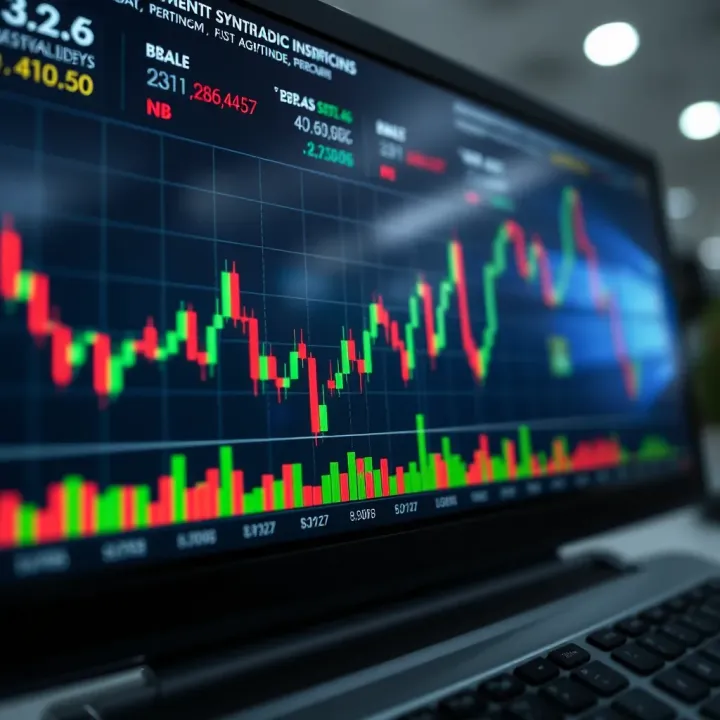
Explore how to pick the best synthetic indices brokers for MetaTrader 5 in South Africa 🇿🇦. Learn key features, risks, regulations & tips.

📱 Looking for the best trading app in South Africa? Discover key features, security tips, cost breakdowns, and usability insights to trade smarter with confidence.
Based on 7 reviews