
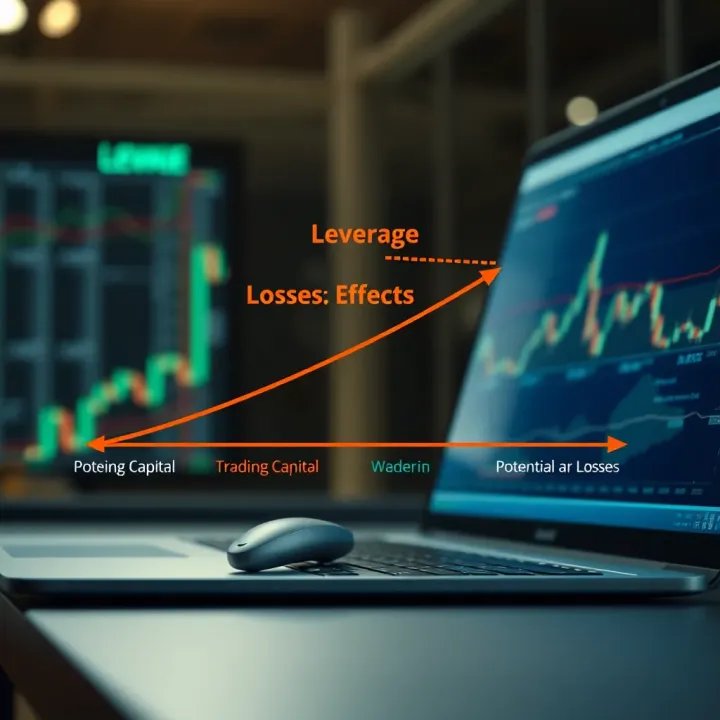
Understanding Leverage at RCG Markets for South African Traders
Explore RCG Markets leverage options 🔍 Understand how to manage risks & benefits effectively! Compare with other brokers for South African traders 🇿🇦📈
Edited By
Amelia Turner
Leverage can be a double-edged sword, especially when your trading account is small. It’s tempting to use high leverage to amplify potential profits, but this also raises the stakes for quick, significant losses. For South African traders working with limited capital, understanding how to control leverage is vital to staying in the game long enough to succeed.
Leverage means borrowing funds from your broker to increase the size of your trades beyond what your own capital allows. For example, a 10:1 leverage means you can control R10,000 worth of assets with only R1,000 in your account. Sounds like a win, right? But if the market moves against you, losses are magnified just as much.
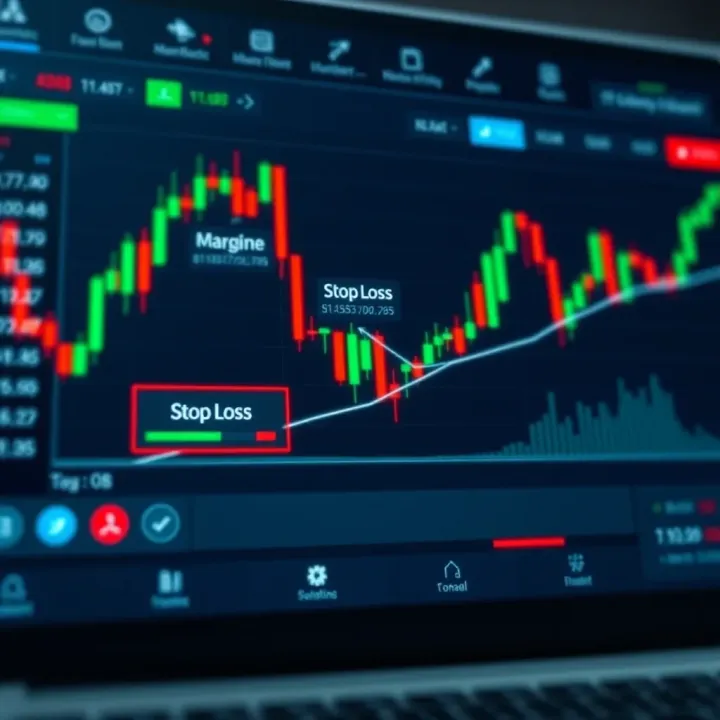
Margin Calls and Liquidations: Brokers require you to maintain a minimum margin. Falling below this can trigger a margin call or automatic selling, wiping out your position.
Volatility Sensitivity: Small accounts can get knocked out quickly by market swings, especially during periods of higher volatility or unexpected news.
Psychological Pressure: Using leverage can affect decision-making, leading traders to take reckless risks or close trades prematurely.
Instead of going for the highest possible leverage, consider tweaking it to match your trading style and risk appetite:
Start Low: Begin with conservative leverage levels (e.g., 2:1 or 5:1) to limit exposure.
Use Stop-Loss Orders: Set clear exit points to contain losses before they balloon.
Monitor Margin Requirements: Know your broker’s margin rules and keep some buffer capital to avoid surprises.
Using leverage effectively isn’t about how much you can borrow, but how well you manage the risks involved.
Local traders face specific conditions such as regulatory limits, platform choices, and market hours:
Opt for brokers regulated by the Financial Sector Conduct Authority (FSCA) to ensure compliance and protection.
Check whether your platform supports smaller contract sizes or mini lots, which are friendlier for small accounts.
Keep an eye on currency pairs like USD/ZAR, which can be volatile but offer opportunity if managed carefully.
By keeping leverage reasonable, using risk controls like stop-losses, and choosing platforms suited to small accounts, you’ll safeguard your capital while making the most of trading opportunities. The goal is longevity — growing your account steadily, not chasing quick wins that can leave you stranded.
For traders managing small accounts, understanding how leverage works is essential. Leverage allows you to control a larger position than your actual capital would normally permit, making the trading environment more accessible but also riskier. A solid grasp of leverage helps avoid mistakes that can wipe out small accounts quickly.
Definition and basic concept: Leverage in trading refers to borrowing funds to increase your buying power. For instance, if you have R1,000 and your broker offers 10:1 leverage, you can trade as if you had R10,000. This means you can open bigger positions, potentially enhancing profits, but also increasing losses.
How leverage affects buying power: By amplifying buying power, leverage lets a trader access the market more aggressively without needing to put up the full amount. That said, this boost isn’t free – your risk exposure grows as the position size increases beyond your actual account balance.
Examples relevant to small accounts: Say you have a R5,000 account with 20:1 leverage. You could control a position worth R100,000. While this might seem attractive, even a 1% move against your position translates to a R1,000 loss—20% of your capital. Such swings are tough on small accounts and highlight why size and leverage need careful coordination.
Potential for rapid losses: High leverage can drain your account quickly if the market moves against you. A small adverse price change can multiply into a substantial loss, sometimes beyond your deposited funds if proper risk controls aren’t in place.
Margin calls and forced liquidation: When losses eat into your margin, brokers might issue a margin call, demanding extra funds to keep positions open. Failure to meet these calls can result in forced liquidation, where the broker closes your trades to limit losses. For small accounts, this can mean losing the entire balance in a matter of minutes if the market moves sharply.
Psychological effects on traders: Trading with high leverage can stir up stress, fear, and greed. The pressure to avoid margin calls or to chase quick gains often leads to impulsive decisions and discipline breakdown. For small account holders, keeping emotions in check is just as important as calculating risks.
Managing leverage isn’t only about numbers but also about your mindset and discipline. Understanding both the maths and the mental game is key to trading small accounts effectively.
Remember, leverage is a double-edged sword: it magnifies both opportunity and risk, especially when your trading capital is limited.
For traders with a small account, selecting the right leverage is a balancing act. Leverage can boost your buying power, but it can equally magnify losses if you're not careful. It’s about striking a practical balance between opportunity and risk to avoid wiping out your capital too quickly. Let’s unpack this with some concrete guidance.
Why higher leverage isn't always better
The idea of using high leverage can be tempting—raring to multiply your profits rapidly. However, in reality, it’s a double-edged sword. Higher leverage increases your exposure per trade, which means a small adverse move can eat deeply into your account. This is especially risky for small accounts where a sharp loss may force you out of the market fast. Many South African traders learn this the hard way during volatile periods when prices gap or during unexpected news events. Using moderate leverage allows you to stay in the game longer and make informed decisions without constantly sweating over every pip.
Setting realistic profit and loss targets
When you use leverage, don’t expect to hit the jackpot overnight. Instead, set achievable goals for each trade—say a 2% profit target with a 1% stop loss. This way, you keep your risk manageable and avoid chasing unrealistic returns that encourage risky behaviour. For instance, a R5,000 account aiming to double every month with high leverage is more likely to blow out than steadily grow over months with lower leverage and consistent targets.
Preserving trading capital
Your trading capital is your lifeline. Prioritising its preservation means accepting smaller, more frequent wins rather than risking it all on big trades. Using appropriate leverage helps manage drawdowns so you can recover and trade another day. South African traders often face added pressures from market conditions like loadshedding disruptions or unexpected brokerage fees, so protecting the core capital matters even more. Always treat leverage as a tool requiring respect—not a quick fix.
Typical leverage levels offered by South African brokers
Most local brokers offer leverage ranging from 1:10 up to 1:200 for certain asset classes. However, regulatory rules and broker policies might limit maximum leverage on retail accounts, especially since the Financial Sector Conduct Authority (FSCA) promotes responsible trading practices. For a small account, it’s sensible to start with leverage between 1:10 and 1:50. This gives you breathing room without exposing you to catastrophic moves. The leveraged exposure still enables meaningful positions without ever feeling like a tightrope walk.
How different leverage ratios affect margin requirements
Leverage determines how much margin you need to put down for each trade. For example, a 1:100 leverage means you only need 1% of the trade value as margin. If you want to take a R50,000 position, you’d need R500 margin. But drop the leverage to 1:10, and that margin requirement jumps to R5,000 for the same position. Understanding this helps you avoid overcommitting. For small accounts, lower leverage means a bigger chunk of your capital is tied up as margin, but it also adds a safety buffer against unpredictable swings.
Examples of leverage applied to common asset classes
Forex and CFDs often have the highest leverage, sometimes up to 1:200 or more. But these markets also move fast, which may not suit small accounts without strong risk controls. Shares typically have lower leverage (1:5 or 1:10) but offer a more stable ride for newcomers. Futures contracts might come with fixed margins but higher leverage. For instance, a trader with R10,000 might use 1:20 leverage for a forex trade equating to R200,000 exposure, while only using 1:5 on shares due to margin rules. Selecting assets and leverage proportionate to your experience and capital size is a practical approach to avoid surprises.
Choosing the right leverage for your small trading account isn’t about grabbing the highest multiple but making informed decisions to protect your capital while pursuing steady growth.
The key takeaway is to resist the urge to over-leverage. Start modest, set clear profit targets and stop-losses, and adjust leverage to suit both your risk appetite and trading strategy.
When trading with leverage in a small account, managing risk is non-negotiable. Leverage amplifies both gains and losses, so without proper controls, you could quickly wipe out your capital. Using risk management techniques helps you keep losses small and your account in play.
Stop-loss orders act as an automatic safety net, cutting losses when a trade moves against you. For example, if you enter a R1,000 trade with 10:1 leverage and set a stop-loss at 2%, your potential loss is limited to R200, despite the full value of the position being R10,000. This prevents emotional decision-making, which often leads traders to hold losing positions too long.
Setting stop-loss levels must align with your leverage. The higher the leverage, the tighter your stop-losses should generally be. With increased leverage, even a small price move can have a big impact on your margin. However, setting stops too tight can lead to getting stopped out frequently due to normal market noise. Finding the right balance ensures you're protected without being taken out unnecessarily.
Automating stop-loss placement via your trading platform eliminates the need to constantly watch the market. Many brokers servicing South African traders offer easy tools to set stop-losses at trade entry. This automation enforces discipline and helps avoid costly slips during sudden market moves or when distractions arise.
Calculating the right trade size when using leverage is vital. The size of your position directly impacts how much risk you take. For instance, with a R5,000 account and 5:1 leverage, opening a position worth R25,000 means your stop-loss placement and risk must be carefully planned to avoid losing more than a small portion of your account.
Position size affects overall risk exposure. Larger positions mean even tiny price swings can result in significant gains or losses. By adjusting position sizes, you manage how much your account stands to lose on any single trade, which is crucial for traders with smaller accounts who cannot afford big setbacks.
It's important to adjust trading positions as your account balance changes. After winning trades, you may increase position size to take advantage of larger equity, but after losses, you should scale back. This dynamic adjustment helps protect your capital while still enabling growth—just like a cautious driver slowing down on a slippery road.
Effective risk management with leverage isn’t about avoiding risk entirely; it’s about managing it wisely so your small trading account has room to grow and survive the unpredictable markets.
By combining stop-loss orders with careful position sizing, South African traders can manage their leveraged trades without gambling away their entire accounts. Keeping exposure controlled is key for long-term success.
For South African traders managing small accounts, some practical factors need careful attention to use leverage effectively. These considerations range from choosing the right broker to handling the whipsaw moves of volatile markets. Each aspect influences how much risk you face, what costs pile up, and ultimately, how much control you keep over your capital.
South African traders often face the choice between local brokers regulated by the FSCA (Financial Sector Conduct Authority) and international platforms. Local brokers tend to offer better compliance with domestic laws, faster deposits and withdrawals, and customer support in regional languages. They also align with South African accounting practices, such as FICA (Financial Intelligence Centre Act) requirements.
International brokers might provide higher leverage ceilings and wider product ranges but come with added risks like less stringent regulatory oversight and currency conversion costs when funding your account with rands. For example, a trader using a US-based platform might face delays or additional fees due to forex conversions, which can eat into a small trading account’s capital.
The FSCA and other international regulatory bodies have imposed leverage limits to protect retail traders. Typically, South African traders are restricted to leverage of around 1:100 for major currency pairs and even lower for commodities or cryptocurrencies on local platforms. These limits matter because they can prevent reckless overexposure that often wipes out small accounts quickly.
Knowing these limits helps traders set realistic expectations about the capital needed for certain positions. For instance, trying to open a large contract on platinum futures with 1:10 leverage requires significantly more margin than on forex pairs with higher leverage. Understanding your leverage ceiling stops you from biting off more risk than your account can handle.
For small accounts, trading costs are king. Even low spreads and commissions can become a substantial portion of your capital if you trade frequently with high leverage. Many South African brokers offer competitive spreads on forex majors around 1.0 to 1.5 pips but watch out for wider spreads during volatile periods or when trading less liquid assets.
Besides spreads, some brokers charge fees on deposits, withdrawals, or inactivity. These can quietly erode your balance if not factored into your trading plan. Small accounts should consider brokers with transparent fee structures and low minimum deposits so you don’t lose unnecessary money before even opening a trade.
Markets can jump sideways or fly south in an instant, especially during economic announcements or global shocks. When you’re leveraged, a sudden price move works both ways — profits can grow fast but losses can mount even quicker.
For example, a 2% drop in the value of your leveraged commodity position could wipe out 20% or more of a small account if your leverage is set at 1:10. Sudden swings can trigger margin calls or automatic liquidations, shutting down your positions before you make sound decisions.
Not all assets behave the same. Emerging market stocks, cryptocurrencies, or natural resources like platinum may see sharp price swings compared to blue-chip shares or major forex pairs. It’s wise to reduce your leverage on these volatile instruments to cushion your account from large drawdowns.
For instance, if your usual leverage is 1:50 for forex, consider 1:10 or 1:5 for crypto trades. This adjustment limits your risk without needing to change position size drastically. It’s all about tailoring your exposure to the temperament of each market.
Modern trading platforms geared for South African users often include features to monitor margin utilisation, price alerts, and automatic stop-loss adjustments. Keeping an eye on these tools helps you respond swiftly to volatile conditions and adjust your leverage or close positions when needed.
Setting up alerts for margin thresholds or significant price moves means you won’t rely solely on luck or constant screen-watching. Some brokers also offer mobile apps with real-time notifications, making it easy to manage your trades between meetings, braais, or when on the go.
Taking care of these practical details can mean the difference between growing your small account cautiously and seeing it vanish because of avoidable mistakes. Local realities, fee structures, and market conditions all shape how you manage leverage smartly in Mzansi’s trading scene.
Developing experience with leverage is essential for any trader, especially those working with a small account. Leverage can amplify gains, but it can also magnify losses quickly. Building confidence gradually helps traders avoid reckless decisions while improving their understanding of how different leverage levels affect their trades.
Starting out with a demo account is one of the best ways to get comfortable using leverage. Many brokers like EasEquities and IG South Africa offer demo trading platforms where you can experiment with leverage on virtual funds. This lets you see the impact of different leverage ratios on your buying power and risk without risking real money. For instance, you might practise trading the JSE Top 40 with 5:1 leverage and observe how price swings affect your margin and exposure.
It's normal to make mistakes when first working with leverage. Perhaps you set your stop-losses too loose or traded too big, wiping out a large portion of your small account. These early errors are valuable learning moments. Analysing what went wrong can prevent you from repeating costly behaviours. Traders who jot down post-trade notes tend to improve faster, spotting patterns like overtrading or failure to respect margin calls.
Increasing your leverage isn't something to rush into. Ideally, you'd only up your leverage after achieving consistent profitability and understanding your risk tolerance. For example, if you’ve been trading steadily with 3:1 leverage for months with manageable drawdowns, it might be safe to try 5:1 leverage. The key is to increase leverage in small steps while maintaining solid risk management to avoid blowing your account.
Leverage magnifies not only profits but emotions too. Fear can make you close trades prematurely or avoid good opportunities, while greed might push you to overleverage chasing quick wins. Being aware of these feelings is crucial. Simple mindfulness during trading sessions, like pausing before making major decisions, can curb impulsive moves driven by emotions.
One of the biggest challenges with leverage is sticking to stop-loss orders. Traders sometimes move or remove stops hoping the market will turn, which often leads to bigger losses. Discipline means setting your stop-loss levels according to your leverage and trade size and respecting them no matter what. This approach helps safeguard your small account from sudden market swings.
Consistency breeds confidence. Establishing a daily or weekly routine around market analysis, setting trades, and reviewing performance makes it easier to manage emotions and stick to your plan. For instance, setting aside 30 minutes before market open to study economic news, then another 30 minutes after market close to review your trades helps build discipline. Over time, this routine supports steadier decision-making when leverage is in play.
Gaining experience step-by-step and keeping emotions in check are the foundations of successful leveraged trading, especially when starting with a small account. Master these, and you’ll protect your capital while exploring growth opportunities with greater confidence.
Explore RCG Markets leverage options 🔍 Understand how to manage risks & benefits effectively! Compare with other brokers for South African traders 🇿🇦📈
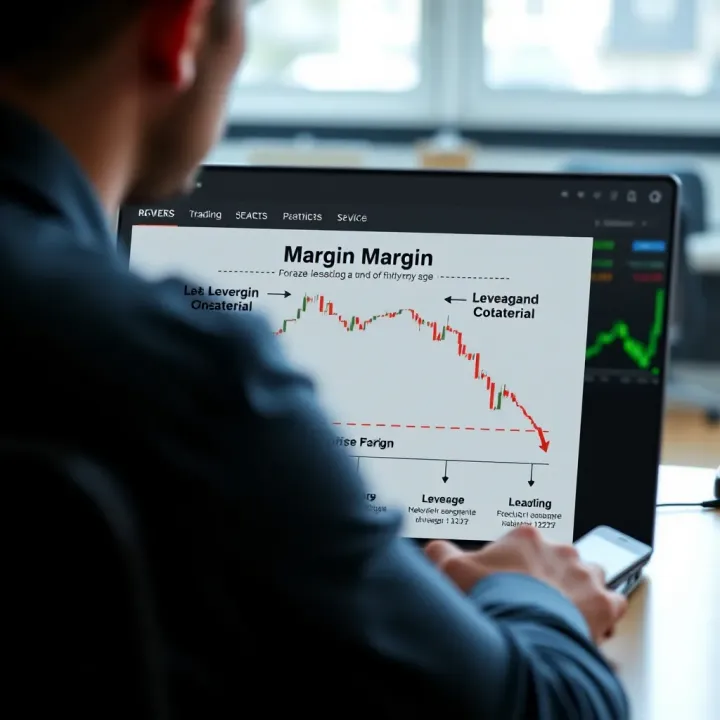
📉 Understand forex trading margin, how it works in South Africa, manage risks smartly with local tips, margin requirements, and practical guidance for safer trading.
📊 Explore binary option trading platforms for South Africans: learn how they work, spot risks, check local regulations, and use tools to trade smarter.
📈 Get to grips with indices in forex trading: how they affect currency pairs and strategies tailored for South African traders in shifting global markets.
Based on 13 reviews