
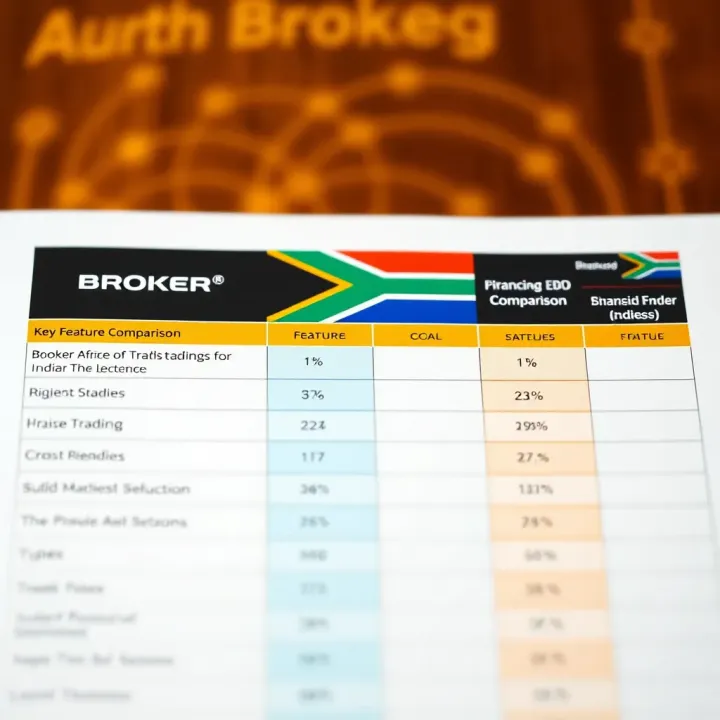
Choosing the Best Broker for Trading Indices in South Africa
📈 Discover how to pick the best broker for trading indices in South Africa. Compare local & global options, get tips for safe, smart investing tailored to your needs.
Edited By
Isabella Wells
Picking the right broker is the first step towards successful trading in South Africa. The market offers plenty of options, but not every broker suits every trader. You need someone who fits your style, offers the right tools, and operates within South African law.
Unlike a one-size-fits-all approach, choosing a broker involves looking at several factors. For starters, consider regulatory compliance. Brokers registered with the Financial Sector Conduct Authority (FSCA) usually provide more security and follow strict guidelines, reducing risks of scams.
Trading platforms matter a lot too. Some traders prefer simple interfaces for share trading on the Johannesburg Stock Exchange (JSE), while others rely on advanced charting and technical analysis tools offered by platforms like MetaTrader or ThinkorSwim. The platform you choose affects how quickly and efficiently you can execute trades.
Costs are the next piece of the puzzle. Brokers differ in commission fees, spreads, and withdrawal limits. A broker charging low fees may have hidden costs or poor service, so weigh fees against value and trustworthiness.
Customer service also plays a practical role. Imagine facing a problem during peak hours of the JSE, and your broker’s support takes ages to get back to you. Not ideal, especially during volatile markets. Check if a broker offers responsive local support.
Remember, your trading goals influence your choice. Are you into day trading requiring quick order execution or long-term investing with a focus on dividends? Some brokers specialise in forex, others in equities or commodities. Find one that matches your preferred market.
"Regulatory oversight, platform reliability, fees, and customer support – these basics should guide your choice before you commit funds."
In short, research carefully, test demo accounts when possible, and choose a broker that gives you confidence to trade your way on your terms. The right fit makes all the difference in navigating South Africa’s diverse trading environment.
Choosing the right broker forms the backbone of successful trading, especially in South Africa’s dynamic financial environment. A broker isn’t just a middleman; they provide the platform, tools, and support that can influence your trading outcomes significantly. Key areas to focus on include regulation, trading platforms, account types, and accessibility. Each element affects not only your trading experience but also the safety and efficiency of your investments.
The Financial Sector Conduct Authority (FSCA) acts as South Africa’s main watchdog for financial services, making sure brokers comply with stringent rules to protect traders. Brokers registered with the FSCA must meet specific standards around transparency and client fund management. This regulation helps limit the risk of fraud or unethical practices.
Client fund protection is critical. Licensed brokers usually segregate customer funds from their operational accounts, meaning your money stays untouched even if the brokerage runs into financial trouble. Additionally, some brokers offer insurance or belong to compensation schemes, which provide an extra layer of security. Without these measures, your investment faces unnecessary risk, especially given the volatility of markets.
South African traders frequently use platforms like MetaTrader 4 (MT4), MetaTrader 5 (MT5), and cTrader, known for their reliability and feature sets. Local brokers sometimes offer proprietary platforms tailored to regional needs, such as easy access to JSE-listed shares or forex pairs popular in Mzansi.
When assessing platforms, consider their user-friendliness, especially if you’re new to trading. The interface should be intuitive with straightforward navigation. Advanced charting tools are vital for analysing market trends, along with fast execution speeds to ensure trade orders aren’t delayed—something that matters deeply in day trading or forex markets where seconds count.
Most South African brokers offer a variety of accounts tailored to different trader profiles. For instance, beginners might opt for micro or mini accounts that allow smaller investment amounts, which limits exposure. More experienced traders often prefer standard or VIP accounts that offer better spreads, leverage, and additional research tools.
Accessibility is a big factor too. The ability to trade through mobile apps means you can respond to market movements on the go. Brokers with fully functional desktop and mobile platforms ensure your trading doesn’t grind to a halt if you’re away from your computer. A good example is the FNB Stockbrokers app, which integrates banking with trading, giving you an all-in-one solution.
Picking a broker means weighing up security, platform quality, and accessibility to match your trading style. Getting these right reduces risks and can improve your overall trading performance.
Understanding the costs tied to trading is a key step when choosing the right broker in South Africa. These costs directly affect your profitability and can vary widely between brokers. Knowing how fees are charged helps you avoid surprises and manage your trading budget more effectively.

Brokers typically make money either through commissions or spreads. A commission is a fixed fee or percentage charged per trade, meaning every time you buy or sell, you pay a cost. This is straightforward but can add up quickly if you trade frequently. For example, some brokers might charge R50 per trade on JSE shares, which could eat into smaller profits.
Spreads, on the other hand, relate to the difference between the buy (ask) and sell (bid) price of an asset. Instead of a set fee, brokers embed their fee into this difference. For forex trading in South Africa, typical spreads might range from 1 to 3 pips, depending on the currency pair and market conditions. Lower spreads are generally better but remember that very tight spreads sometimes come with extra commissions or require higher minimum deposits.
Deposit and withdrawal fees are often overlooked but can make a real difference over time. Some brokers pass on bank charges for moving money, especially if using international bank transfers common in South Africa. Local brokers usually offer free or minimal-cost deposits and withdrawals via popular methods like EFT or SnapScan, but always check the fine print.
Inactivity fees also sneak into the costs picture. If your account sits dormant for several months, some brokers charge a monthly fee, sometimes up to R200. This can be frustrating if you trade irregularly or take breaks. Other service fees may include costs for real-time data feeds, monthly platform subscriptions, or even chargebacks on card payments.
Always review the broker’s fee schedule carefully. Hidden costs, even if small, accumulate, and can turn a seemingly cheap broker into a costly option.
By weighing commissions, spreads, and ancillary fees, you’ll find a broker whose cost structure fits your trading habits. Transparency is key, so choose brokers who openly list their charges and offer tools to estimate trade costs before you commit.
When choosing a broker, the range of trading instruments and the markets you can access matter a great deal. Different brokers offer various asset types and market coverage, so understanding what’s on offer in South Africa helps match your trading goals with available opportunities.
South African traders typically have access to a broad spectrum of tradable assets. This includes shares listed on the Johannesburg Stock Exchange (JSE), forex currency pairs, contracts for difference (CFDs), and commodities like gold or oil. For example, if you prefer trading local shares like Sasol or Naspers, choosing a broker with direct access to the JSE is essential. Forex pairs such as USD/ZAR or EUR/ZAR are popular for those who want exposure to currency movements.
CFDs offer flexibility, allowing you to trade both local and international shares or commodities without owning the underlying asset outright. This suits traders looking for short-term opportunities or leverage, though it carries higher risks. Commodities, especially gold and platinum, have a long history of appeal among South African investors and traders, providing portfolio diversification and a hedge against inflation.
Having a diverse asset selection provides several benefits. It allows traders to spread risk by investing across different markets and sectors. If one market is quiet or volatile, you can switch focus to another asset to stay active. For instance, during periods of Rand volatility, some traders might pivot from local shares to global indices or forex to maintain better control over risk.
Also, a wider range of instruments lets you explore various strategies. Swing traders might target forex pairs for quick moves, while long-term investors could hold JSE shares for dividends and capital growth. Access to multiple assets gives you the flexibility to adapt your portfolio according to market conditions.
Access to JSE-listed shares is crucial for South African traders keen on the domestic market. Brokers registered with local regulatory bodies often provide direct trading on the JSE, making it straightforward to buy shares like Standard Bank or Woolworths. Trading locally ensures transactions are in Rand, simplifying tax reporting and avoiding forex conversion fees. Moreover, local brokers tend to understand the nuances of South African equities better, offering tailored research and tools.
At the same time, international market access opens doors to global opportunities. Many brokers extend access to overseas exchanges such as the New York Stock Exchange (NYSE) or London Stock Exchange (LSE). This means you can diversify beyond the JSE, investing in companies like Apple or Unilever, or trade commodities like crude oil and precious metals.
Trading international markets can also help balance risks associated with South Africa’s economic cycles or loadshedding interruptions. Plus, it can provide 24-hour trading opportunities thanks to time zone differences. However, be mindful of foreign exchange fees and tax implications when trading offshore assets.
Choosing a broker with both strong local and international market access offers the best of both worlds, letting you build a diverse and resilient portfolio tailored to your needs.
In summary, when assessing brokers, review their available instruments and market reach carefully. The right combination will depend on whether you want to focus on local assets, tap into global markets, or a mix of both for balance and flexibility.
Picking the right broker depends a lot on how you plan to trade. Your trading style determines which features and services will suit you best, saving time and money while boosting your chances for success. For example, a day trader needs a broker with fast order execution and low spreads, while a long-term investor values access to dividend-paying shares and reliable customer support.
New traders should look for brokers that offer user-friendly platforms and plenty of educational resources. Features like demo accounts can be a real lifesaver for getting to grips with trading without risking real money. Customer support, especially local helplines in South Africa, also matters as beginners often have lots of questions.
On the other hand, experienced traders might prioritise advanced charting tools, multiple order types, and tighter spreads. For instance, a trader skilled in forex scalping needs platforms that handle rapid trades with minimal delays. Access to international markets or more complex products like CFDs can also be attractive for those with more developed strategies.
Your strategy influences broker choice as well. Day traders depend on brokers offering quick trade execution and low commissions because they open and close multiple positions during a session. High leverage options are often vital, though they come with higher risk.
Swing traders, who hold positions for several days to weeks, benefit from brokers with good analytical tools and moderate fees to not eat away at profits. Meanwhile, long-term investors value straightforward access to shares, ETFs, and a broker with a strong regulatory backing for peace of mind. These investors are less concerned with high-frequency trading features but appreciate smooth funding and withdrawal options.
Matching your broker to your personal trading style ensures you’re not paying for features you won’t use, and you get the tools that support your specific approach. It’s a smart move to avoid unnecessary costs and hassles.
In South Africa, brokers like EasyEquities cater well to beginners and long-term investors by offering low-cost share buying with a simple interface. More advanced traders might consider IG or Plus500 for access to global CFD markets and sophisticated platforms. Knowing which camp you fall into will direct you toward the ideal broker choice.
Choosing the right broker requires more than just looking at spreads or platform features; thorough research and comparison are fundamental. This helps you avoid costly mistakes, especially because brokers vary widely in regulation, fees, service quality, and asset offerings in the South African market. Being able to sift through this information saves you time and safeguards your investments.
When researching brokers, focus on trustworthy review sites and financial forums popular in South Africa, such as MyBroadband and Moneyweb. These platforms often include user experiences and expert opinions that reflect current local market conditions. Regulatory reports from the Financial Sector Conduct Authority (FSCA) can also provide insight into any compliance issues or warnings about brokers.
Check if reviews discuss actual trading experiences rather than just surface-level praise. For example, traders often mention delays in withdrawals or platform glitches – issues that official sources might not highlight. Seek reviews from traders who share a similar trading style to you, as this aligns better with your priorities.
User feedback goes beyond star ratings. Pay close attention to commentators’ comments on customer service responsiveness, platform stability during volatile markets, and clarity around fees. These details matter because even low commissions don’t compensate for poor support or downtime at critical trading moments.
Watch out for recurring complaints about hidden charges or forced upselling. If multiple users mention issues withdrawing funds or unanticipated fees, it’s a red flag. Positive mentions of educational resources and demo account accessibility are good signs that the broker supports trader development.
Most brokers offer trial or demo accounts, which give you risk-free exposure to their trading environment using virtual money. This practical experience helps you understand the platform’s layout, order execution speed, and available tools without risking actual capital. For South African traders facing frequent loadshedding, it’s particularly useful to check how well platforms perform on limited internet connectivity or mobile data.
Demo accounts also help you test if the broker's spreads and fees align with what they've advertised. Some brokers advertise tempting rates but widen spreads in real trading, so testing in a demo reduces surprises.
During the trial, use all available features: place different order types, explore charting tools, and use mobile and desktop versions. Additionally, try depositing small amounts where possible to assess the deposit and withdrawal process speed and convenience.
Also, pay attention to customer service during your trial period. Engage with support via calls, chat, or email to see how quickly and effectively they respond. A reliable broker will treat you well throughout your trial, signalling dependable support once you start live trading.
Taking the time to research and test brokers thoroughly creates a foundation for confident trading decisions. Skipping these steps can lead to frustrating surprises that affect both your profits and peace of mind.
By combining informed reading of broker reviews and hands-on demo practice, you position yourself well to find a South African trading broker who matches your style, budget, and security expectations.
📈 Discover how to pick the best broker for trading indices in South Africa. Compare local & global options, get tips for safe, smart investing tailored to your needs.
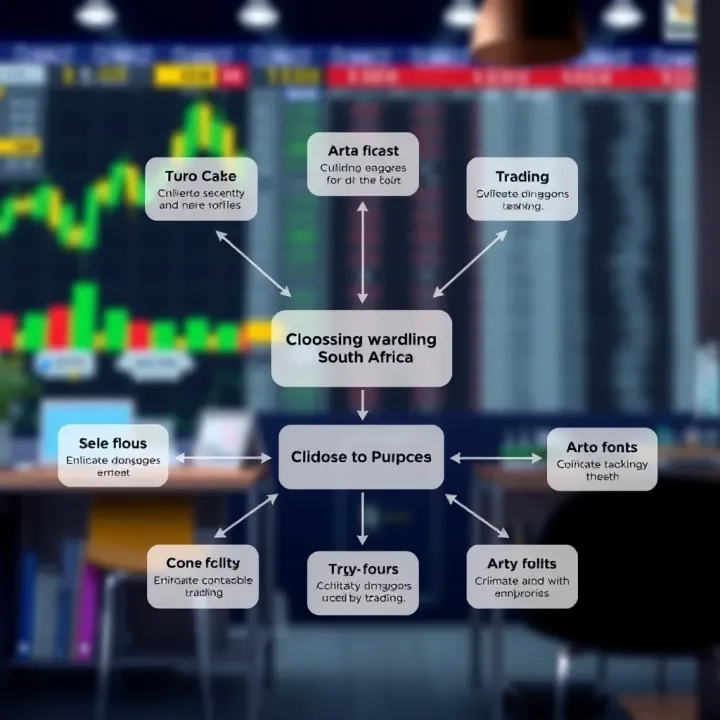
🔍 Discover how to choose trustworthy brokers for trading synthetic indices in South Africa. Learn key checks, regulations, and tips for safer, smarter trading 🎯

📱 Looking for the best trading app in South Africa? Discover key features, security tips, cost breakdowns, and usability insights to trade smarter with confidence.
Discover how to choose the best synthetic indices brokers in South Africa 🇿🇦 with tips on regulation, trading terms, and avoiding common risks 📊💡
Based on 9 reviews