
Choosing the Best Broker for Trading Indices in South Africa
📈 Discover how to pick the best broker for trading indices in South Africa. Compare local & global options, get tips for safe, smart investing tailored to your needs.
Edited By
Amelia Turner
Volatility indices capture how much market prices swing over a given period, making them popular among traders aiming to profit from market uncertainty. However, these products come with their own quirks and risks — so choosing the right broker to trade volatility indices is a step you can't overlook.
South African traders often find themselves juggling challenges like local regulations, Forex restrictions, and limited access to international platforms. That’s why picking a broker who not only offers volatility indices but also aligns with your trading style, compliance needs, and budget is critical.
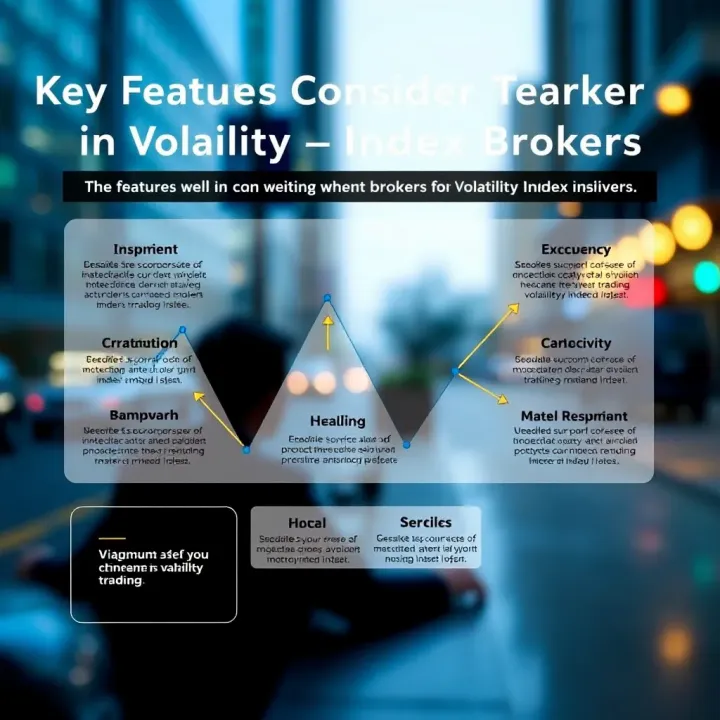
When comparing brokers, consider these key factors:
Regulation and Trustworthiness: Is the broker licensed by a reputable authority like the Financial Sector Conduct Authority (FSCA) or other global regulators? This can protect you from fraud or poor trading practices.
Product Offering and Trading Conditions: Do they offer volatility index products with transparent pricing? Check spreads, commissions, and if they allow leverage suitable for your risk appetite.
Trading Platform and Tools: A reliable, user-friendly platform with real-time data, charting options, and risk management tools helps you stay ahead in volatile markets.
Account Types and Funding Methods: Look for brokers that allow deposits in Rand and offer convenient local payment options like EFT, SnapScan or even mobile wallets.
Choosing a broker without checking these elements is like hunting for game with a blindfold. You might get lucky, but chances are you’ll stumble.
The volatility index market is fast-paced and can turn on a dime. South African traders need brokers that provide solid support and flexible conditions to adjust strategies swiftly.
Smooth execution, tight spreads, and trustworthy service make all the difference between gains and losses — so don’t skimp on due diligence.
Next, we’ll look closer at what volatility indices actually are, their appeal, and the risks involved before diving deeper into how to pick a broker suited to your needs.
Volatility indices offer traders a unique way to gauge and even profit from market uncertainty. Unlike conventional indices that track prices of shares or commodities, volatility indices measure expectations of future market fluctuations. Understanding what these indices represent helps you use them strategically, especially when market conditions get choppy.
A volatility index, such as the VIX (often called the "fear gauge"), reflects anticipated market swings rather than actual prices. It’s derived from the implied volatility of options on a major stock index like the S&P 500. Essentially, a higher reading means traders expect bigger price moves soon. For example, a VIX reading jumping from 15 to 30 suggests markets are bracing for more turbulence. In South Africa, volatility indices may track the FTSE/JSE Top 40 or other local instruments, giving traders local market sentiment clues.
Volatility indices attract traders because they can serve as both indicators and tradable assets. When you expect a sharp change in market direction, trading volatility indices offers an alternative to betting on specific stocks or sectors. Traders use these indices to hedge portfolios against sudden drops or to speculate on market sentiment shifts. For instance, during a busy election period or when Eskom announces load shedding stages, volatility tends to increase. Trading volatility then becomes about positioning for those swings rather than traditional price movements.
Despite their appeal, volatility indices come with unique risks. Their values can spike or plummet quickly, often more unpredictable than regular stocks or ETFs. Trading them requires a firm grasp of options pricing and a readiness for rapid moves. Furthermore, products linked to volatility—like CFDs or futures—may involve leverage, amplifying both gains and losses. South African traders also face challenges like broker availability, regulatory variations, and currency considerations when funding accounts. Misjudging volatility trends without solid risk management can lead to significant losses.
Volatility indices aren't just about market mood—they’re complex tools. Knowing how they behave during calm periods versus turbulent times is key to using them wisely.
In summary, understanding the nature of volatility indices and their risks allows South African traders to make better decisions. These indices offer a chance to benefit from market unpredictability but demand caution and the right broker support to navigate successfully.
When trading the volatility index, understanding how brokers provide access is essential. Not all brokers handle volatility indices in the same way, which can directly affect your trading experience, costs, and the range of instruments available. Choosing the right broker means balancing accessibility, reliability, and the tools they offer to help you trade effectively.
There are mainly two types of brokers you will come across offering volatility index trading: retail brokers specialising in CFDs and derivatives, and traditional futures brokers. Retail brokers, often regulated in jurisdictions like the UK or Cyprus, tend to offer volatility trading through CFDs, making it accessible for smaller accounts and retail traders. On the other hand, futures brokers typically provide access to official volatility futures contracts, which require larger capital and come with more stringent margin requirements.
Some South African traders prefer using international brokers like IG or Plus500 for CFD access, given their solid regulatory frameworks and comprehensive platforms. Alternatively, brokers linked to Johannesburg Stock Exchange (JSE) or international futures exchanges cater mostly to institutional or advanced traders due to the complexity and cost involved.
CFDs are popular among retail traders as they allow you to speculate on the price movement of volatility indices without owning the underlying asset. Brokers offering CFDs typically provide leverage, which means you can control a larger position with a smaller amount of capital. For example, a CFD on the VIX (a well-known volatility index) lets you take bullish or bearish positions with relatively low upfront investment. However, leverage increases both potential gains and losses, so it’s vital to manage risk.
CFDs also offer flexibility in terms of trade size and access to trading hours, making them useful for day traders or those looking to hedge other portfolio risks. Do note that CFDs often carry overnight financing fees, which can add up if positions are held longer.
Some brokers enable trading volatility indices through options and futures contracts. These are standardised derivatives listed on exchanges such as the CBOE, providing more transparency and regulation. Futures contracts on volatility indices allow traders to lock in prices or speculate on future volatility levels, suitable for hedging or long-term strategies.
Options tied to volatility indices provide the right, but not the obligation, to buy or sell the index at a set price before expiry. This offers strategic opportunities like spreads and straddles, which can profit from anticipated volatility jumps. These instruments usually require higher understanding and experience, along with a bigger initial capital outlay and sometimes more complex margin rules than CFDs.
Though not available in South Africa due to regulatory restrictions, spread betting remains popular in markets like the UK as a tax-efficient way to trade volatility indices. Brokers offering this product allow traders to bet on price movements without owning the asset or incurring capital gains tax.
Other derivatives may include volatility swaps or structured products tailored to volatility exposure, but these tend to be niche and mostly accessible through specialised brokers. For South African traders, understanding the differences in instrument types and broker offerings is crucial before deciding where to trade.
When selecting a broker, carefully consider the instruments they offer linked to volatility indices. Your choice should reflect your trading style, risk tolerance, and capital availability.
Overall, knowing the kinds of brokers and instruments available helps you make a more informed decision, cutting through the jargon and complexities that often surround volatility index trading.
When searching for the right broker to trade volatility indices, several key factors come into play. These elements directly affect your trading experience, costs, and security, so it's worth knowing exactly what to look out for. The volatility index market is fast-moving and can be complex, so your broker needs to match your trading style and risk appetite while offering strong protection and useful tools.
Regulation is fundamental when choosing a brokerage, especially with products linked to volatility indices, which can carry higher risk. Look for brokers authorised by reputable financial authorities such as the Financial Sector Conduct Authority (FSCA) in South Africa, the UK’s FCA, or ASIC in Australia. Proper regulation means your funds receive better protection and segregation from the broker’s operational funds, which limits the risk of losing money if the broker runs into trouble.
Always verify the broker’s licence status and check for client fund protection mechanisms like negative balance protection or compensation schemes.
A smooth, intuitive trading platform reduces friction when market conditions shift quickly. Essential features include fast order execution, customisable layouts, and easy access to volatility-related products. For example, some brokers offer platforms like MetaTrader 5 or proprietary platforms designed specifically for volatility indices, with features like one-click trading and instant access to market news.
Trading on the go is almost a necessity today. Choose brokers with robust mobile apps that replicate desktop platform functionalities. This includes real-time quotes, swift trade execution, and integrated charting tools. Being able to react quickly to sudden volatility spikes from your mobile can be the difference between profit and loss.
Strong charting tools allow you to monitor price changes and volatility patterns effectively. Look for platforms offering a range of technical indicators, drawing tools, and timeframes. Some brokers add volatility-specific indicators or heatmaps, which help spot market stress levels. These tools deepen your insight and support better-informed decision-making.
Volatility index trading often involves tight spreads but can come with commissions, especially on CFDs (Contracts for Difference). Compare brokers to find the most competitive spreads — for example, some might offer spreads as low as 2 points on the VIX, while others charge wider spreads or added commissions that cut into profits.
If you hold positions overnight, you’ll incur financing or swap charges. These fees differ widely and can significantly affect longer-term trades. A broker with transparent and fair overnight fee structures allows you to plan your trading costs accurately.
South African traders should carefully check payment fees because some brokers charge for deposits or withdrawals. Also, confirm accepted payment methods like EFT, credit cards, or popular local options such as SnapScan. Minimising these fees helps keep your overheads low, especially if you plan frequent account funding or withdrawals.
Selecting a broker with the right mix of regulation, platform quality, and fair fees means you can focus on your trading strategy without unpleasant surprises. Always test brokers via demo accounts first and keep checking their terms regularly to stay informed.
When trading volatility indices, the process of opening and managing your account isn’t just a formality – it's a crucial step that influences your trading experience and potential success. A well-chosen account aligns with your trading style, capital capacity, and risk appetite, while smooth management ensures you stay in control, especially when the markets swing unexpectedly.
Brokers usually offer several account types tailored to different trader needs. For instance, a standard trading account might provide access to a broad range of volatility index products with moderate leverage and typical spreads. Meanwhile, a VIP or professional account often includes tighter spreads, higher leverage, dedicated account managers, and faster withdrawals but may require a larger minimum deposit, say R50,000 or more.
Some brokers also provide demo accounts which let you paper trade volatility indices without risking real money. This is handy for testing strategies or getting familiar with how volatility instruments behave under varying market conditions.
Choosing the right account type depends on your experience level and how actively you plan to trade. If you’re starting out, it’s wise to begin small or with demo accounts; more seasoned traders might opt for accounts providing advanced charting tools and priority support.
Funding your trading account conveniently is pivotal. Most brokers cater to South African clients by accepting common methods like EFT (Electronic Funds Transfer) from local banks, credit/debit cards, and increasingly, e-wallet options such as Neteller or Skrill. Some also accept payments via PayPal, but its availability for volatility trading funds can vary.
Using EFT can take a day or two, particularly if initiating transfers from Rand accounts into offshore broker accounts, which typically require currency conversion. That’s why some traders prefer instant methods like credit cards or e-wallets to avoid delays when market opportunities arise suddenly.
Funding your account often involves currency conversions. Most brokers quote volatility indices in USD or EUR, meaning your Rands will convert at forex rates plus a service fee. This impacts your trade size and costs because exchange rate swings can alter your effective capital.
To reduce surprises, it helps to pick brokers who allow Rand funding or offer Rand-denominated accounts, although these can be rarer. Alternatively, use a forex-friendly South African bank that offers good exchange rates and minimal fees. Always check the broker’s currency policy and conversion charges upfront to avoid unpleasant surprises when depositing or withdrawing funds.
Reliable customer support is a lifeline in volatile markets. Look for brokers that offer prompt assistance through multiple channels—phone, live chat, and email—and operate during South African trading hours. It’s reassuring to reach out quickly if technical issues pop up or trades don’t execute as expected.
Education resources are also invaluable. Quality brokers provide webinars, tutorials, and analysis focused on volatility index trading. For example, some might offer market outlooks on the CBOE Volatility Index (VIX) alongside local insights to help you make informed decisions.
Remember, the best broker isn’t just about low fees or flashy platforms. It's the combination of appropriate account types, convenient funding, and strong support that builds a solid foundation for your volatility trading journey.
When trading volatility indices, it pays to have a broker who matches your needs, especially as a South African trader. The local market has unique challenges like currency fluctuations and payment method options, plus the shadow of loadshedding affecting internet reliability. That means your broker choice isn’t just about commissions — it’s about trust, accessibility, and staying informed. Let’s look at some practical tips to make that choice easier.
Start by digging into a broker’s reputation. Look for brokers regulated by recognised bodies, ideally ones acknowledged internationally or by credible South African authorities. For instance, if a broker has regulation from the Financial Sector Conduct Authority (FSCA) or reputable offshore regulators like the UK FCA, it adds confidence. Reviews from actual traders reveal how reliable their payouts are and how responsive their support is. Spoiler: online forums and social media groups dedicated to volatility trading can be goldmines. But beware of fake reviews – cross-check multiple sources, and if too many complaints pop up about withdrawals or platform glitches, it’s a red flag.
No matter how tempting an offer looks, test-drive the broker first with a demo account. Most brokers offer one allowing you to simulate trades with virtual money. This is crucial for volatility indices because the markets move quickly and can be tricky to read. Practising lets you explore the trading platform’s interface, charting tools, order execution speed, and even the broker’s spread costs indirectly. It also helps avoid wasting money on unfamiliar systems or poor software before committing real cash. Some brokers like Plus500 and IG have intuitive demos with real-time data, which shows how prices can jump, giving you a taste of real market conditions.
The financial regulations governing brokers don’t stand still. For South Africans, changes can affect everything from leverage limits to what proof of identity you’ll need (think of FICA – Financial Intelligence Centre Act). Stay updated by regularly checking FSCA announcements and global regulator news if your broker operates offshore. Trading conditions also shift—spreads widen during volatile periods or public holidays, platforms might upgrade features, or fees can change. Keeping an eye on broker alerts or newsletters means you won’t be caught out by surprise costs or policy shifts. For example, recently several brokers tweaked their overnight financing fees on volatility CFDs; missing that could throw a wrench in your trading budget.
In short, picking the right broker isn’t just about the lowest fees or flashiest app. It’s about knowing who you’re dealing with, practising in a safe environment, and staying alert to changes that can impact your trades. For South African traders, this vigilance can make the difference between success and frustration when trading volatility indices.
📈 Discover how to pick the best broker for trading indices in South Africa. Compare local & global options, get tips for safe, smart investing tailored to your needs.

📱 Looking for the best trading app in South Africa? Discover key features, security tips, cost breakdowns, and usability insights to trade smarter with confidence.

📈 Discover how brokers operate in South Africa, key trading types, costs, and tips to choose the right broker confidently and navigate local regulations easily.

Discover how to choose the best synthetic indices brokers in South Africa 🇿🇦 with tips on regulation, trading terms, and avoiding common risks 📊💡
Based on 6 reviews